Vehicles move through smog as AQI begins to shoot up in Delhi, Ghaziabad
Source Entity
Latest News: Todays Latest News Headlines from India & World | Hindustan Times | Hindustan Times
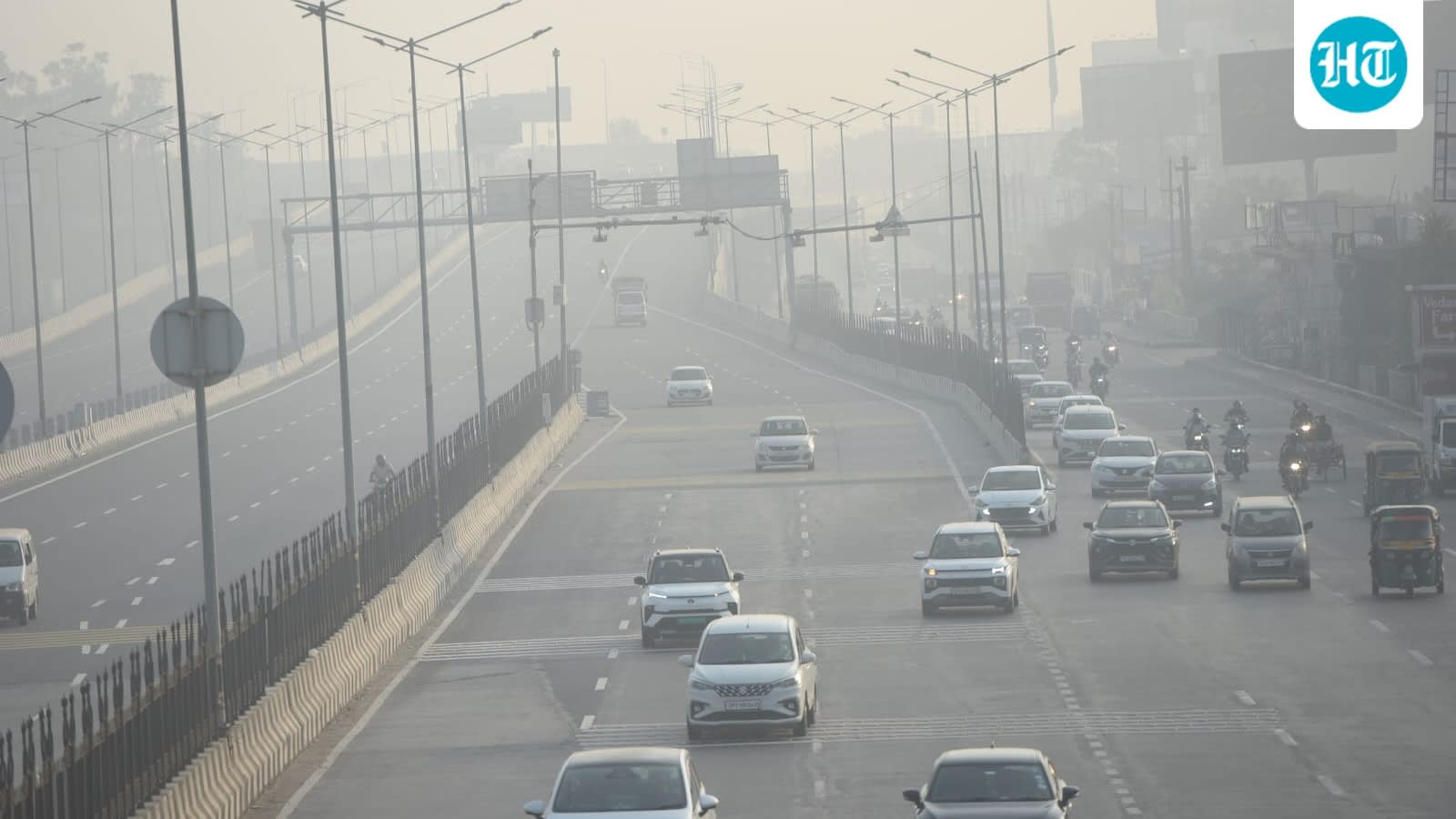
Ghaziabad faces a significant decline in air quality, with AQI levels recently spiking to 181 and previously reaching 250. Dense smog is severely impacting visibility on major transport arteries like the Delhi-Meerut Expressway.
The Resurgence of Air Pollution in the NCR
As the winter season approaches, the National Capital Region (NCR) is once again grappling with deteriorating air quality. Recent reports indicate that Ghaziabad, a key industrial and residential hub, has seen a sharp decline in air quality, with the Air Quality Index (AQI) recorded at 181. This places the city in the 'Moderate/Unhealthy' category, a concerning trend that underscores the recurring environmental challenges faced by Northern India during this time of year.
Visibility and Infrastructure Impact
The impact of this pollution is not merely statistical; it is physically manifest on the region’s critical infrastructure. Visual evidence from the Delhi-Meerut Expressway and National Highway-9 near Dasna shows commuters struggling with reduced visibility. The necessity for drivers to keep headlights on during daylight hours serves as a stark reminder of the density of the smog layer, which poses significant safety risks for motorists navigating these high-traffic transit corridors.
Examining the Volatility of AQI Levels
The air quality in Ghaziabad has shown alarming volatility. While the current reading sits at 181, data from the previous day indicated levels spiking above 250 between 7 am and 7 pm. This fluctuation suggests that local pollution sources—combined with meteorological shifts—are creating a volatile atmospheric environment. Being ranked 4th among the most polluted cities globally as of September 23 highlights the severity of the situation and the urgent need for consistent air quality management.
Broader Environmental Implications
The deterioration of air quality in Ghaziabad is indicative of broader environmental stressors affecting the Indo-Gangetic plain. As the region transitions into colder months, atmospheric inversion often traps pollutants closer to the ground, preventing dispersion. This phenomenon exacerbates the health risks for residents, who are exposed to fine particulate matter that can lead to long-term respiratory and cardiovascular complications.
Future Trends and Mitigation
Looking ahead, the trend of rising AQI levels in Ghaziabad suggests that without stringent interventions, the region will likely face prolonged periods of 'Unhealthy' air. Future efforts must focus on managing vehicle emissions, controlling industrial output, and addressing dust suppression across the National Highway network. The intersection of rapid urbanization and environmental degradation remains the central challenge for urban planners in the NCR, necessitating a robust, multi-agency approach to safeguard public health.
Verification Required?