Three people killed in as many conflicts with elephants in Assam
Source Entity
India Latest News: Top National Headlines Today & Breaking News | The Hindu
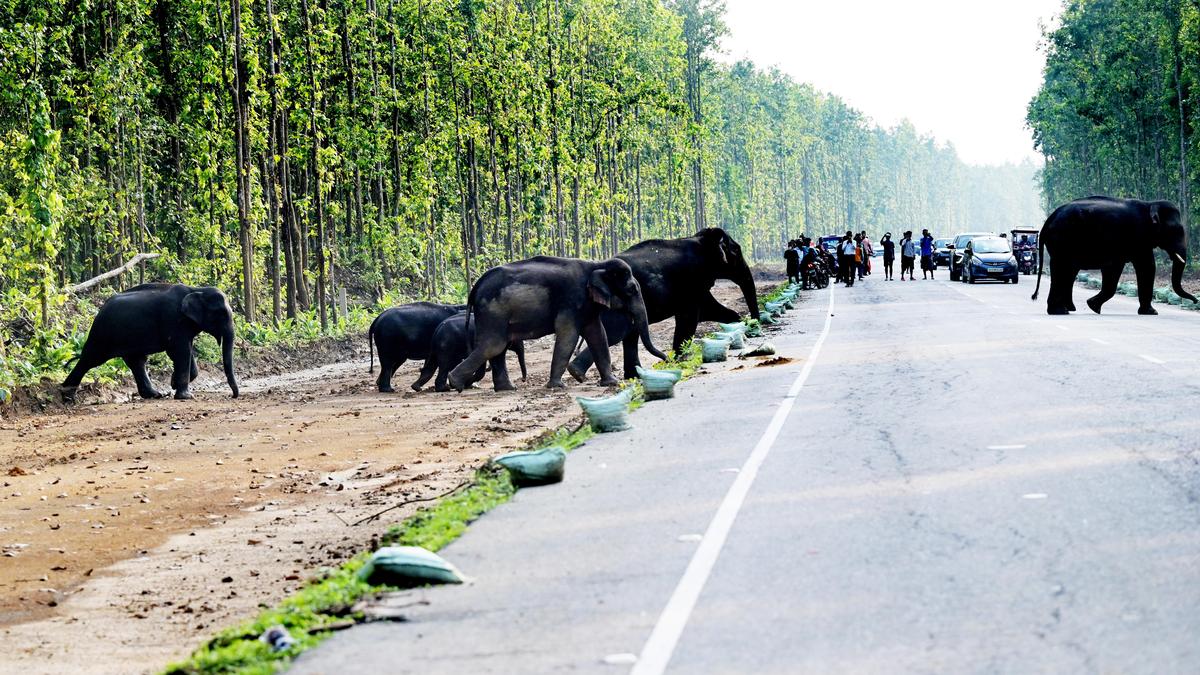
A series of tragic human-elephant conflicts across India, including Kerala, Assam, and Uttar Pradesh, resulted in four deaths and several injuries this week. These incidents highlight the growing urgency of managing wildlife corridors and human-animal proximity.
The Escalating Crisis of Human-Wildlife Conflict in India
India is currently grappling with a surge in tragic encounters between humans and wild elephants, as evidenced by a wave of incidents occurring across Kerala, Assam, and Uttar Pradesh. On Tuesday, a 52-year-old woman named Bushra was killed in Attappady, Kerala, after a wild elephant crossed the Bhavani river and attacked her and her son. This isolated tragedy is part of a larger, systemic issue of habitat encroachment and the shifting movement patterns of pachyderms in search of food and water.
Regional Patterns of Conflict
The situation in Assam presents a particularly alarming pattern, with three fatalities reported within a single day across the Sonitpur and Karbi Anglong districts. The victims, identified as Rahmat Ali, Ganesh Toppo, and Ambika Tokbipi, were caught in separate conflicts between 4 a.m. and 7.30 a.m. These incidents, occurring in residential areas and near forests, underscore the vulnerability of rural communities living on the fringes of protected elephant habitats. The destruction of homes, as reported in the case of Rahmat Ali, highlights how elephant movement into human settlements creates immediate life-threatening scenarios.
Economic and Agricultural Pressures
Further north, in the Dudhwa buffer zone of Uttar Pradesh, two farmers—Ram Kumar Chauhan and Ladi Chauhan—were injured while guarding their crops near Bhairampur village. This specific type of conflict is driven by the seasonal attraction of elephants to agricultural land. When elephants stray from their herds to forage, they often encounter farmers protecting their livelihoods. The resulting injuries, including fractures, demonstrate the physical peril faced by agricultural workers during the harvest season.
Underlying Causes and Habitat Fragmentation
The frequency of these attacks is largely attributed to the fragmentation of wildlife corridors. As urban development, infrastructure projects, and agricultural expansion continue to shrink natural habitats, elephants are forced to traverse human-dominated landscapes to reach water sources or traditional grazing grounds. The crossing of the Bhavani river in Kerala and the straying of tuskers from their herds in Dudhwa are symptoms of a broader ecological displacement.
Future Implications and Mitigation
Moving forward, these incidents highlight the critical need for enhanced early warning systems and better land-use management. Authorities face the difficult challenge of balancing human safety with the conservation of a species that is increasingly squeezed into smaller pockets of forest. Without robust intervention—such as the strengthening of forest buffers and the implementation of community-based wildlife monitoring—it is likely that these conflicts will continue to rise as human and elephant populations compete for space in a rapidly changing landscape.
Verification Required?