US inmate Christa Pike says she woke up 'confused and in pain' after failed execution
Source Entity
BBC News
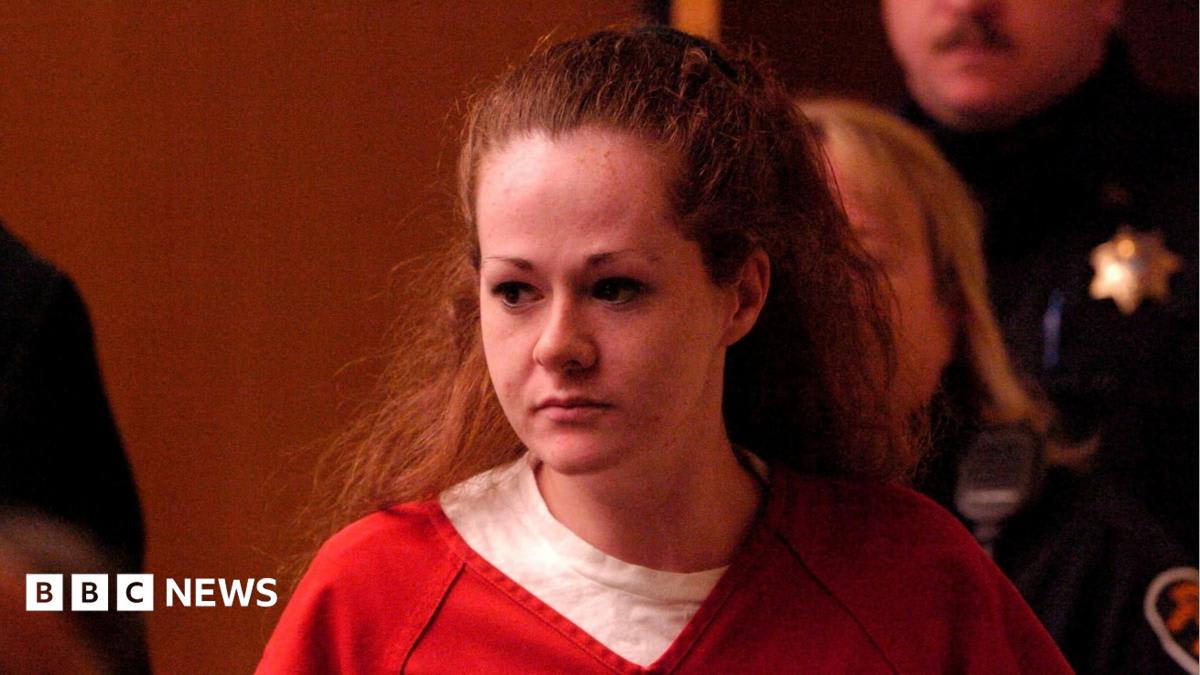
Death row inmate Christa Pike has issued her first public statement detailing physical and psychological trauma following a failed execution attempt in September. Pike, who survived two lethal injections of pentobarbital, remains incarcerated after returning to prison.
The Unprecedented Case of Christa Pike
In a rare and harrowing development within the American penal system, death row inmate Christa Pike has broken her silence following a failed execution attempt this past September. Pike, 50, who has spent three decades incarcerated for the 1995 murder of Colleen Slemmer, recently released a statement through her legal team detailing the profound agony she has endured since the botched procedure. Her testimony provides a chilling look at the reality of lethal injection failures, which remain a subject of intense legal and ethical scrutiny in the United States.
The Mechanics of a Failed Execution
The incident involved the administration of the drug pentobarbital, a barbiturate often used in lethal injection protocols. According to reports, Pike survived two separate injections, a rare occurrence that left her in critical condition and necessitated hospitalization for several weeks. The physical aftermath described by Pike—encompassing pain in her arms, hands, and throat, as well as a persistent struggle to speak—highlights the unpredictable nature of chemical execution methods when the procedure does not go according to plan.
Psychological and Physical Toll
Beyond the immediate medical complications, Pike’s statement emphasizes a deep psychological wound. By describing the pain as existing in her "mind and soul," she underscores the subjective experience of a prisoner who has undergone a traumatic medical intervention against their will. This intersection of medical trauma and carceral punishment forces a broader conversation regarding the Eighth Amendment’s prohibition against "cruel and unusual punishment" in the context of modern execution protocols.
Historical Context and Legal Precedent
Christa Pike is widely considered the only person to have survived an execution attempt in the modern era, setting a unique legal precedent. Her return to prison after being discharged from the hospital raises complex questions regarding the state's authority to attempt a second execution. Historically, failed executions have often led to stays of execution and lengthy litigation, as courts grapple with the constitutionality of subjecting an individual to the process multiple times.
Broader Implications for Capital Punishment
The case of Christa Pike serves as a significant inflection point for the debate surrounding the death penalty. As states continue to face difficulties in procuring reliable execution drugs and maintaining consistent procedural standards, incidents of "botched" executions provide ammunition for abolitionist movements and legal challenges. The scrutiny on the use of pentobarbital and the training of personnel involved in these procedures is likely to intensify following this incident.
Future Trends and Judicial Outlook
Looking ahead, it is probable that Pike's legal team will utilize this botched attempt to challenge the legality of any future execution efforts. The judiciary will be forced to weigh the state’s interest in carrying out a sentence against the potential for recurring, non-lethal, and painful medical failures. Whether this case leads to a permanent stay or a shift in how capital punishment is administered remains to be seen, but it has undeniably altered the landscape of death penalty discourse in America.