US tells European countries to not 'poke' Russia as Putin says 'ready for war'
Source Entity
VIVEK DUBEY
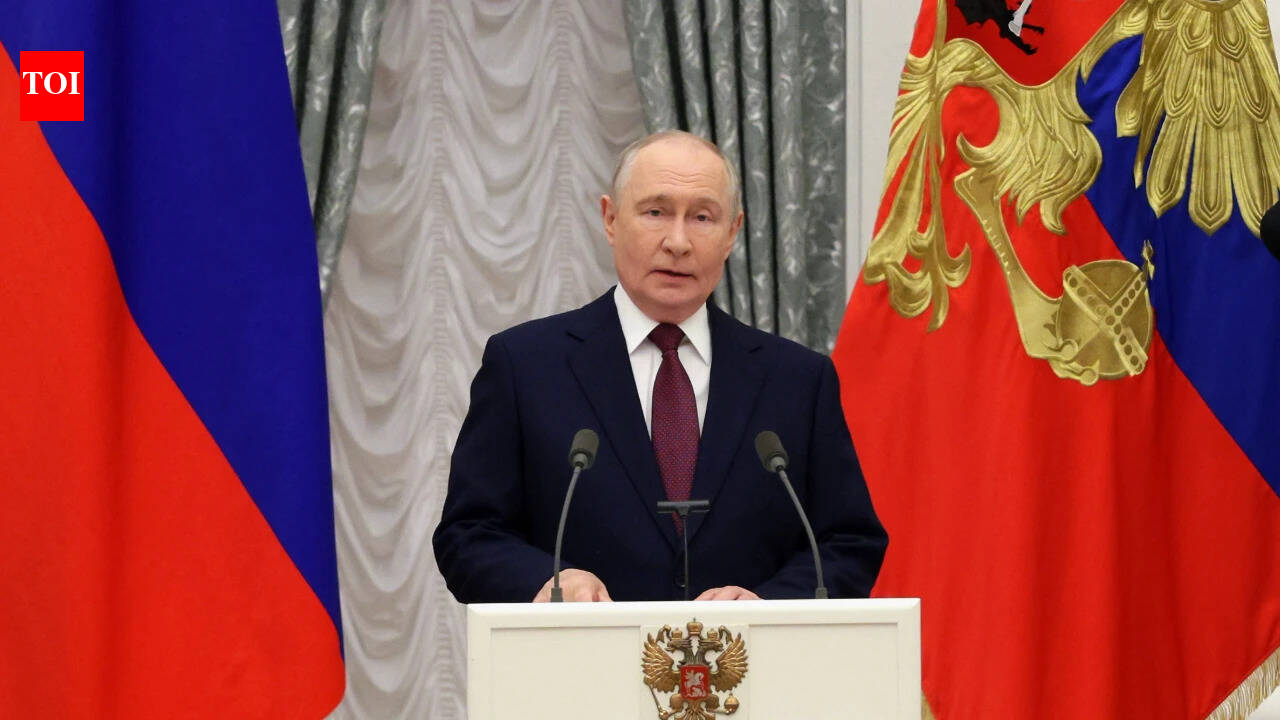
The U.S. has advised Baltic NATO allies to moderate their public rhetoric regarding Russia to avoid escalating tensions. This diplomatic shift comes as Vladimir Putin warns against potential navigation restrictions in the Baltic Sea while declaring readiness for conflict.
Tensions Escalate: US Urges Caution in Baltic Rhetoric
Recent reports indicate a significant diplomatic friction point between Washington and several of its NATO allies in the Baltic region. The United States has reportedly urged Lithuania, Latvia, and Estonia to adopt a more measured tone in their public communications concerning the threat posed by the Russian Federation. This behind-the-scenes guidance, delivered by Pentagon officials during recent bilateral meetings, reflects a strategic pivot in how the current administration intends to manage the ongoing security architecture of Europe.
The Strategic Rationale for Restraint
The core of the American concern lies in the potential for inflammatory rhetoric to inadvertently destabilize the continent. US officials have expressed apprehension that characterizing Moscow as 'desperate' or 'cornered'—particularly as the invasion of Ukraine shows signs of slowing—could provoke unpredictable reactions from the Kremlin. By encouraging Baltic leaders to tone down public warnings, Washington appears to be prioritizing the mitigation of immediate escalation risks over the more confrontational posture adopted by frontline states that feel most exposed to Russian aggression.
Vladimir Putin’s Warning on Baltic Navigation
Complicating this delicate diplomatic balancing act is the explicit rhetoric emanating from Vladimir Putin. The Russian president has recently issued a warning against any potential restrictions on navigation within the Baltic Sea. This statement acts as a direct counter-narrative to Western security concerns, signaling that Moscow remains prepared for a broader confrontation. The Baltic Sea is a critical artery for trade and military logistics, and any move to restrict freedom of navigation would represent a significant escalation in the regional standoff.
Historical Context and Regional Vulnerability
For Lithuania, Latvia, and Estonia, the fear of Russian expansionism is deeply rooted in their historical experience as former Soviet republics. Their vocal stance against Moscow is not merely political posturing but a reflection of a perceived existential threat. The US push for moderation creates a challenging dilemma for these nations: they must maintain a credible security partnership with Washington while simultaneously addressing the anxieties of their own citizens who view Russian rhetoric as a precursor to physical aggression.
Implications for NATO Unity
This development raises critical questions regarding the cohesion of the NATO alliance. While the alliance is built on the principle of collective defense, the strategic outlook of the Baltic states often diverges from the broader, global priorities of the United States. If the gap between Washington’s desire for de-escalation and the Baltic states' need for deterrence continues to widen, it could lead to fissures in a united front. The challenge for the Pentagon will be to reassure these nations of their security without encouraging a rhetorical spiral that could trigger the very conflict they seek to avoid.
Future Trends and Diplomatic Outlook
The trajectory of this situation suggests a period of intense diplomatic maneuvering. As the war in Ukraine persists, the pressure on Baltic nations to align with the US strategy of managed communication will likely remain high. However, if Russia continues to use the threat of navigation restrictions as a bargaining chip, the pressure on the alliance to respond more decisively will grow. The coming months will test whether the US can successfully navigate the fine line between preventing unnecessary provocation and maintaining a robust deterrent against Russian ambitions in Northern Europe.