Christian representatives meet West Bengal RSS leader over mob attacks on congregations and churches
Source Entity
India Latest News: Top National Headlines Today & Breaking News | The Hindu
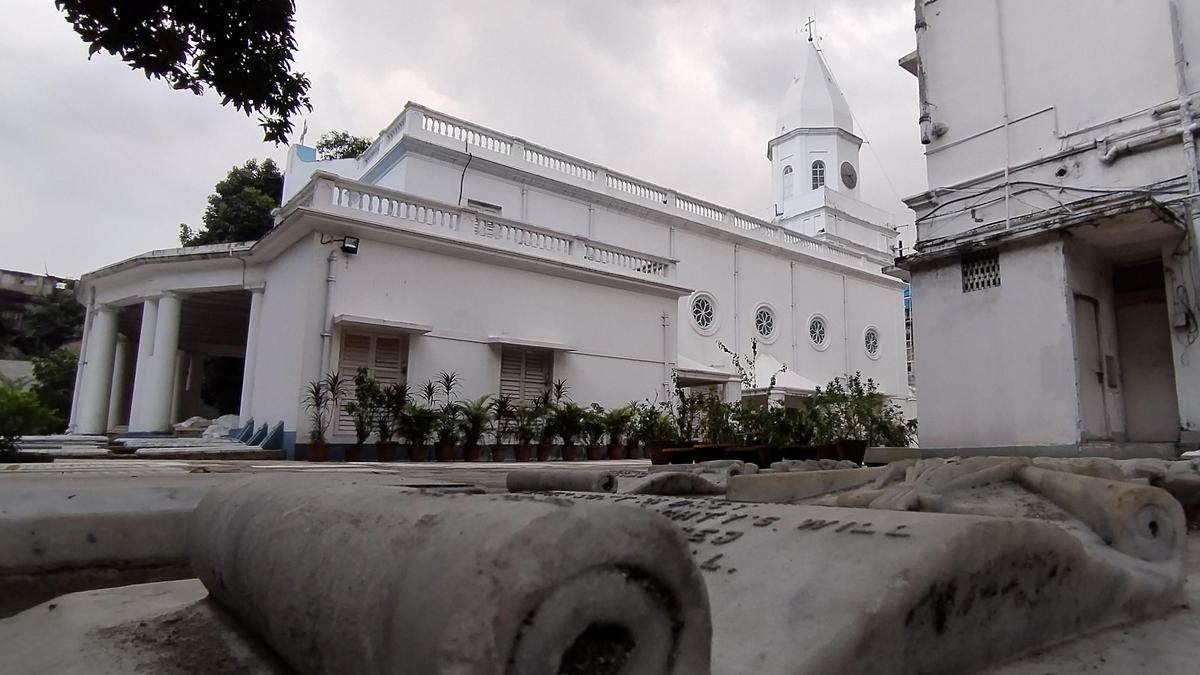
Christian leaders in West Bengal have engaged in dialogue with RSS functionary Jishnu Basu following a series of mob attacks on churches and believers. While the Bangiya Christiya Pariseba (BCP) condemns the violence and refutes forced conversion claims, the RSS maintains that concerns regarding religious conversion remain a point of contention.
Tensions Rise: Christian-RSS Dialogue Amidst Alleged Persecution
Recent developments in West Bengal have brought to the forefront a deepening rift regarding the safety of religious minorities. On November 4, 2026, a delegation from the Bangiya Christiya Pariseba (BCP), an interfaith forum representing over 1.3 million Christians, met with Jishnu Basu, the Saha Khetra Prachar Pramukh of the Rashtriya Swayamsevak Sangh (RSS) for South Bengal. This meeting was prompted by a disturbing wave of vandalism, mob attacks, and intimidation against churches and pastors that has persisted over the last four to five months.
The Anatomy of the Conflict
The BCP, led by state secretary Herod Mullick, has characterized the situation as an unprecedented crisis. According to reports, the hostilities are frequently triggered by allegations of forced conversions through inducement. These incidents have not been isolated to a single locale but have spread across several districts in West Bengal, targeting both mainline churches and smaller house-church congregations. The dialogue between the BCP and the RSS represents an attempt to de-escalate these tensions at a leadership level.
Divergent Perspectives on Religious Conversion
While the BCP has organized large-scale prayer rallies, such as the one held at Kolkata’s Rani Rashmoni Avenue, to protest the persecution, the narrative surrounding the violence remains contested. Jishnu Basu of the RSS has acknowledged the dialogue process but maintained that the organization holds genuine concerns regarding the legitimacy of conversion practices. This fundamental disagreement—whether the violence is a response to coercive proselytization or an act of orchestrated sectarian hostility—remains the core friction point.
Broader Implications for Social Cohesion
The involvement of religious leaders from neighboring states like Odisha, Nagaland, and Mizoram in the Kolkata prayer rally suggests that these incidents are being viewed as part of a wider regional concern regarding minority rights. The participation of diverse Christian denominations highlights the severity with which the community views the current climate of fear. For the state of West Bengal, the ability of civil society groups to facilitate such high-level discussions is critical to preventing further polarization.
Historical Context and Future Trends
Historically, the intersection of religious practice and political discourse in India has often been fraught with sensitivities regarding conversion. The current situation in West Bengal reflects a broader national trend where local grievances over religious demographics are increasingly manifesting as public unrest. Moving forward, the effectiveness of the ongoing dialogue between the BCP and the RSS will be a key indicator of whether the state can manage these communal stresses through mediation or if the cycle of accusations and violence will continue to escalate.
Verification Required?