Civil aviation ministry holds fog preparedness meeting for upcoming winter season
Source Entity
Latest News: Todays Latest News Headlines from India & World | Hindustan Times | Hindustan Times
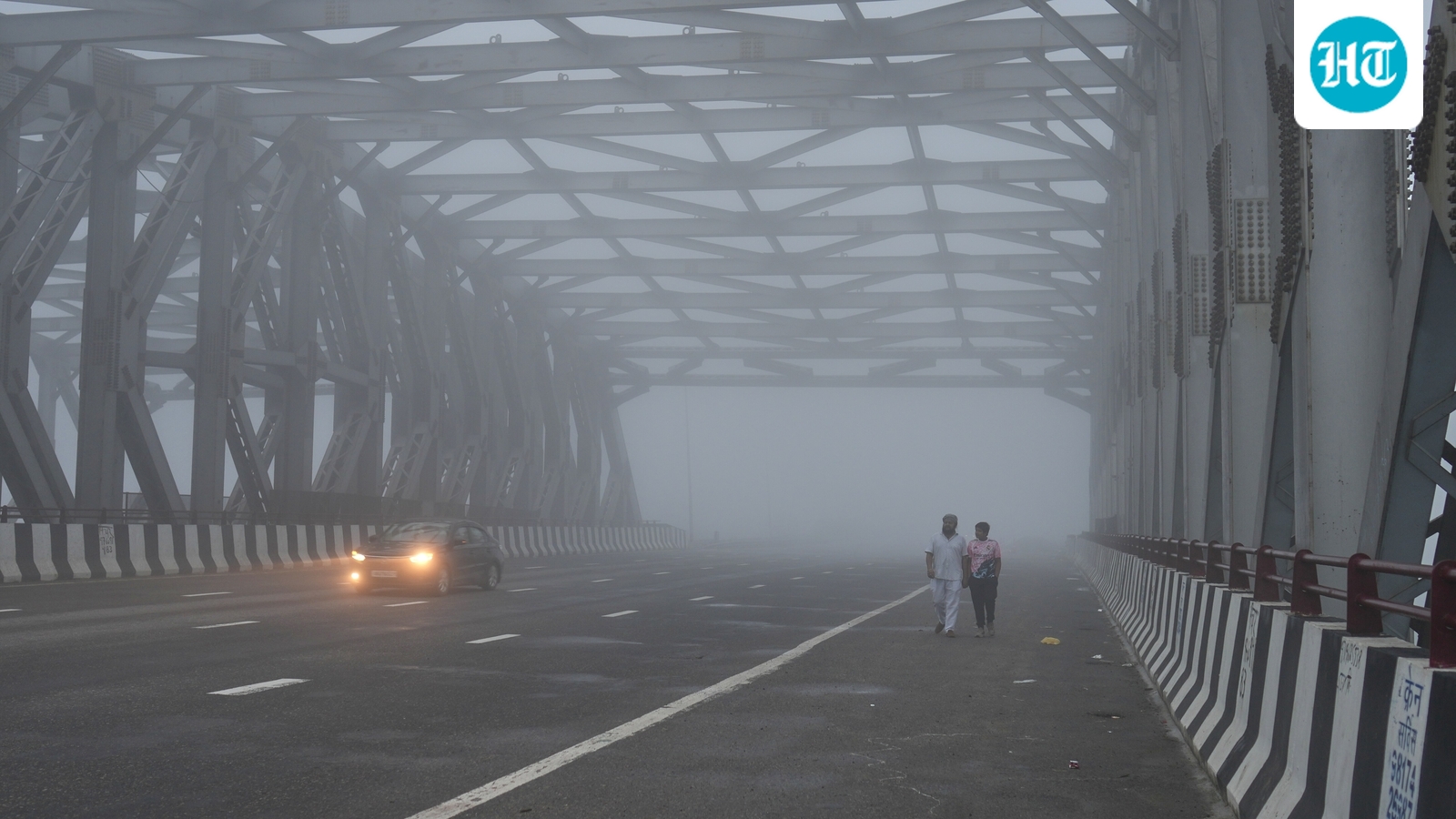
The Indian civil aviation ministry has initiated fog preparedness protocols for the upcoming winter season spanning December 2026 to February 2027. Key stakeholders met to ensure flight safety and operational efficiency during periods of low visibility.
Strategic Winter Readiness in Indian Aviation
As the winter season approaches, the Indian civil aviation ministry has proactively convened its first Fog Preparedness meeting to address the recurring challenges posed by dense fog in Northern India. Covering the critical period from December 15, 2026, to February 15, 2027, this review meeting underscores a systemic effort to mitigate the disruptions that historically plague air travel during the colder months. By bringing together top-tier leadership, including Civil Aviation Secretary Samir Kumar Sinha and DGCA officials, the government is signaling a shift toward more robust, inter-agency coordination.
Multi-Stakeholder Coordination
The efficacy of air traffic management during the winter depends on seamless communication between diverse agencies. The presence of the Airports Authority of India (AAI), the Bureau of Civil Aviation Security (BCAS), the Central Industrial Security Force (CISF), and the India Meteorological Department (IMD) at this meeting highlights the multi-dimensional nature of the problem. While the IMD provides the meteorological data necessary to predict visibility windows, the AAI and airport operators must translate these forecasts into actionable operational adjustments to ensure passenger safety and minimize ground delays.
The Impact of Meteorological Patterns
Dense fog in Northern India, particularly around hubs like New Delhi, is a geographical and climatic reality that significantly impacts aviation infrastructure. Historical data suggests that persistent low-visibility conditions during December and January often lead to widespread flight cancellations, diversions, and significant passenger inconvenience. By initiating these planning sessions well in advance, the ministry aims to refine the deployment of Category III (CAT III) instrument landing systems and ensure that ground staff are adequately trained to handle emergency protocols when visibility drops below safety thresholds.
Operational Implications for Airlines
The directive issued to airlines and airport operators serves as a mandate for heightened vigilance. Airlines are expected to optimize their fleet management and crew scheduling to account for the unpredictability of winter weather. For the traveling public, this proactive stance is intended to reduce the volatility of flight schedules. By aligning the interests of security agencies like the CISF with the operational requirements of the airlines, the ministry is attempting to create a unified front that prioritizes safety without compromising the efficiency of the national aviation network.
Future Trends and Resilience
Looking ahead, the integration of advanced weather forecasting technology and improved airport infrastructure remains the cornerstone of India’s aviation growth. The focus on the 2026-2027 winter season represents a broader trend of institutionalizing preparedness rather than reacting to crises as they unfold. As air traffic density continues to increase in India, the ability to maintain operational continuity amidst extreme weather will be a critical benchmark for the success of the civil aviation sector, ensuring that the country's transportation backbone remains resilient against climatic challenges.
Verification Required?