'What if someone falls ill?': Delhi's non-BS VI vehicle ban from November 1 leaves Noida commuters worried
Source Entity
Latest News: Todays Latest News Headlines from India & World | Hindustan Times | Hindustan Times
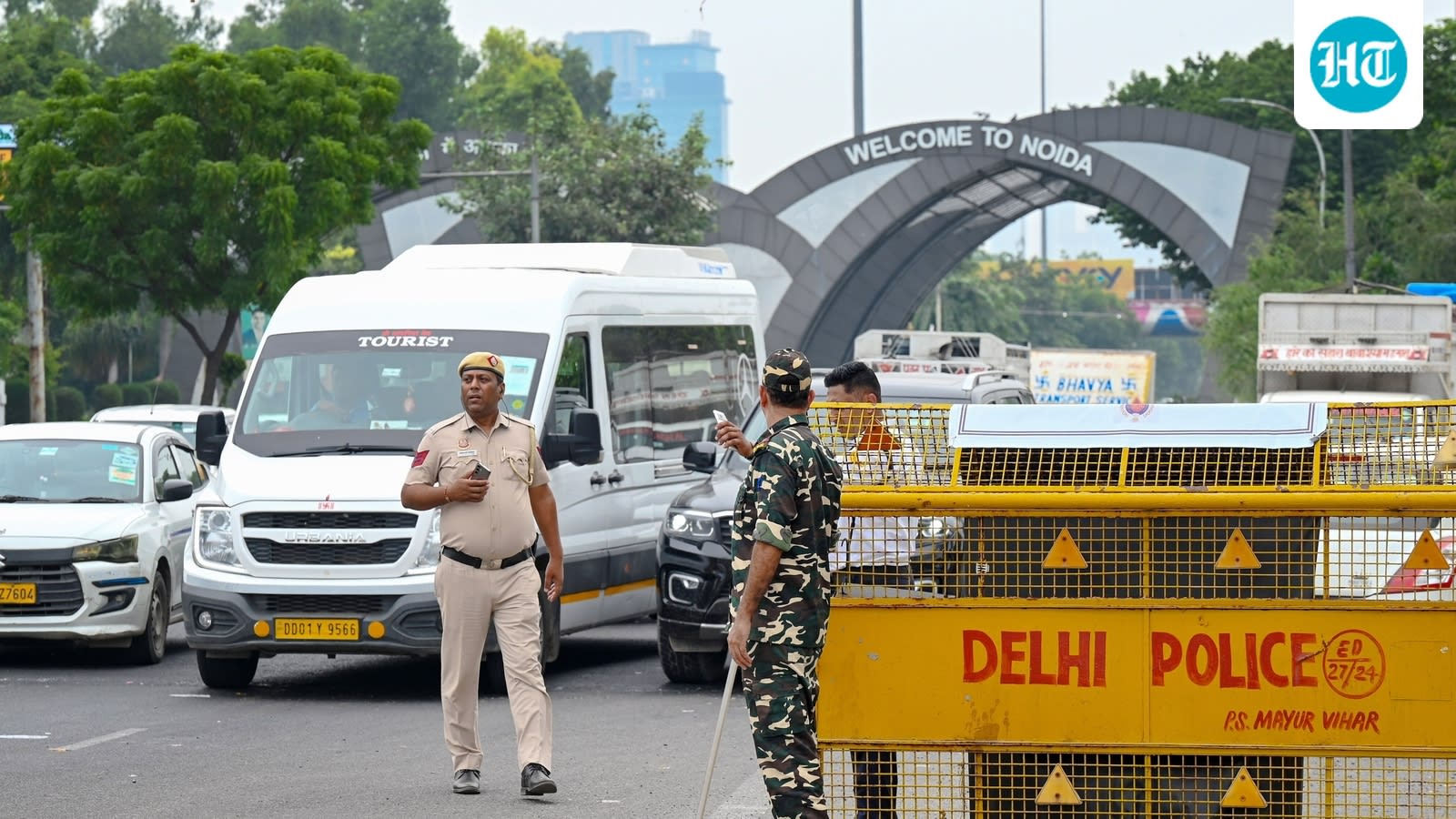
Delhi's upcoming ban on non-BS VI vehicles starting November 1 will restrict over 3.5 lakh cars from Noida and Greater Noida. The move aims to combat winter air pollution but has raised significant concerns among commuters regarding daily accessibility.
Delhi's Winter Anti-Pollution Measures and the Commuter Crisis
As the national capital region approaches the winter season, Delhi is bracing for severe air quality challenges. To mitigate the annual spike in pollution, authorities have announced a strict ban on non-BS VI compliant vehicles entering the capital starting November 1. This policy directly impacts the neighboring regions of Noida and Greater Noida, creating a significant logistical hurdle for thousands of daily commuters who rely on these vehicles for travel.
The Scale of the Restriction
Data provided by the Noida transport department reveals the depth of the impact. As of October 27, there are 9.7 lakh registered petrol and 1.3 lakh diesel vehicles in the Noida and Greater Noida area. The upcoming enforcement drive will bar approximately 3.5 lakh of these vehicles from entering Delhi. This figure comprises 1,11,867 BS IV vehicles and a staggering 2,46,993 end-of-life (ELV) vehicles, which include 15-year-old petrol cars and 10-year-old diesel engines that are already slated for scrapping under official mandates.
Environmental and Regulatory Context
This policy is driven by the directives of the Commission for Air Quality Management (CAQM). The transition to Bharat Stage VI (BS VI) emission standards is a critical step in India’s automotive regulatory landscape, designed to significantly reduce nitrogen oxide and particulate matter emissions. By phasing out older, more polluting vehicles, the government seeks to curb the hazardous smog that plagues the Indo-Gangetic plain during the winter months when thermal inversions trap pollutants near the surface.
Socio-Economic Implications
For the average commuter, the ban creates a state of uncertainty. Many residents have expressed concerns about the lack of affordable alternatives, especially in emergency scenarios where public transport may not be readily available. The term 'What if someone falls ill?' captures the prevailing anxiety regarding the sudden loss of mobility for households that rely on older vehicles for essential services, including medical trips to the capital.
Future Trends and Enforcement
Moving forward, the enforcement drive starting November 1 marks a turning point in regional traffic management. As the Noida transport department prepares to implement these restrictions, it is likely that we will see increased pressure on public infrastructure and a push for faster vehicle replacement cycles. The challenge remains in balancing urgent environmental health goals with the practical, daily needs of a massive suburban workforce that operates across the Delhi-NCR border.
Conclusion
The ban on non-BS VI vehicles is a bold, albeit disruptive, measure aimed at improving public health. While the environmental necessity of reducing vehicular emissions is clear, the transition period will undoubtedly test the resilience of Noida’s commuters. Success will depend on the effectiveness of public transport alternatives and the ability of residents to comply with the long-term goal of phasing out end-of-life vehicles.
Verification Required?