CJP's Saurav Das, Ashutosh Ranka seek more time, skip Delhi Police questioning
Source Entity
AYUSH PANDEY
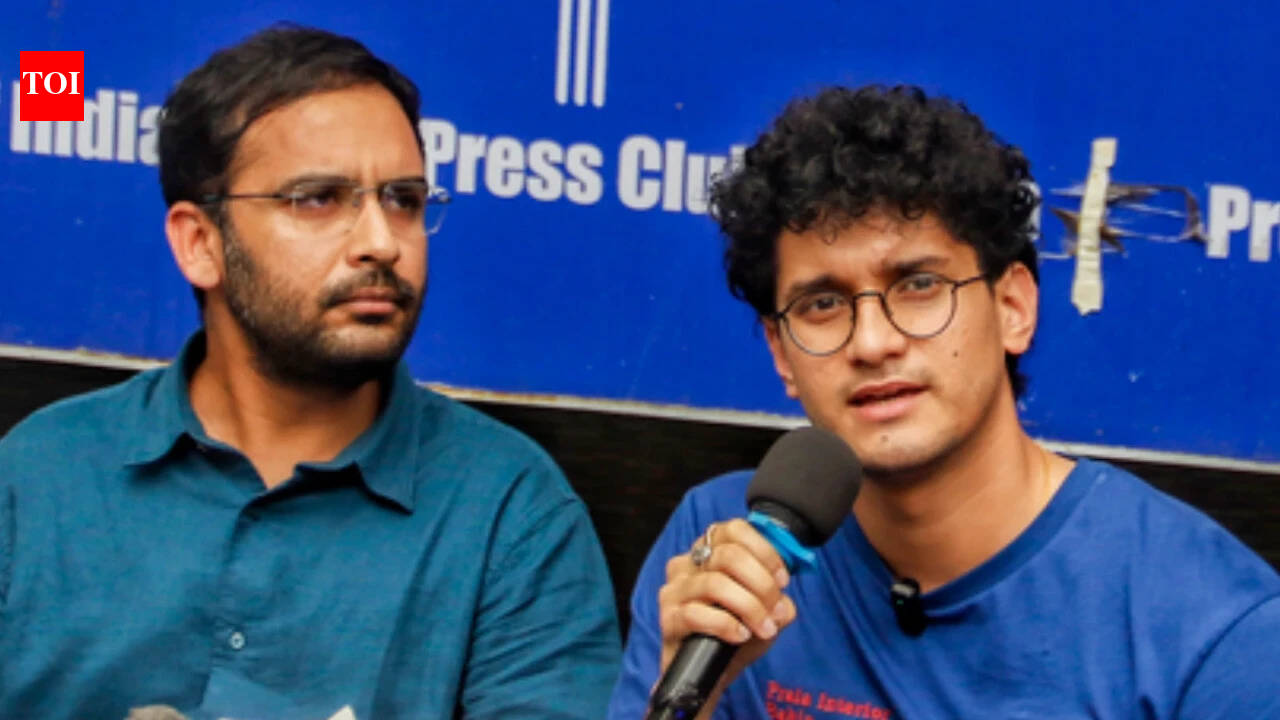
Cockroach Janta Party leaders Saurav Das and Ashutosh Ranka were released following their October 14 Jantar Mantar protest. Shortly after their release, they were summoned by the Delhi Police Crime Branch, which they subsequently skipped while seeking more time.
The Rise and Legal Hurdles of the Cockroach Janta Party
The political landscape in New Delhi witnessed a notable development as Saurav Das and Ashutosh Ranka, prominent figures within the Cockroach Janta Party (CJP), were released from judicial custody. Their detention stemmed from their involvement in the October 14 protest at Jantar Mantar, a site historically synonymous with grassroots activism and political dissent in India. The release, ordered by the Special Executive Magistrate, marked the conclusion of their initial custody period, sparking a wave of celebration and public statements from party leadership.
Leadership Dynamics and Public Posturing
Following the release, CJP founder Abhijeet Dipke issued a public show of unity and deference toward his colleagues. In a statement that emphasized party cohesion, Dipke described Das and Ranka as "much, much bigger leaders" than himself. This public endorsement serves as a strategic maneuver, potentially aimed at consolidating the party's internal hierarchy and boosting morale among the CJP base. Dipke’s vocal support, punctuated by the commitment that his life is at their disposal, underscores the high-stakes environment in which these emerging political actors are currently operating.
The Legal Entanglement Continues
Despite the temporary relief of their release, the legal challenges for the CJP leaders have intensified. Almost immediately after regaining their freedom, Das and Ranka were issued summons by the Delhi Police Crime Branch. The summons, directed to the Crime Branch office in Rajouri Garden, indicates that authorities are continuing an active investigation into the events surrounding the October 14 demonstration. The speed with which these summons were issued highlights the persistent scrutiny faced by protest organizers in the capital.
Strategic Evasion and Legal Strategy
In response to the summons, both Das and Ranka have opted to seek more time, effectively skipping the scheduled questioning. This move is a common legal strategy in high-profile political cases, allowing legal teams to better prepare for interrogation and assess the specific allegations being leveled against the party leaders. By requesting additional time, the duo is attempting to balance the need for legal compliance with the necessity of maintaining their political momentum without being immediately sidelined by further detentions.
Broader Implications for Political Dissent
The situation surrounding the CJP reflects the ongoing tensions between political groups and law enforcement in Delhi. The Jantar Mantar protests have long been a flashpoint for such friction, where the right to assemble is frequently weighed against public order regulations and police oversight. As the CJP navigates these legal hurdles, the case will likely serve as a litmus test for how emerging political entities manage state pressure while attempting to maintain visibility and public support in an increasingly restrictive environment.
Multiple Citing Sources