Coimbatore serial blasts: As 5 life convicts get parole, what happened in 1997-98
Source Entity
Arun Janardhanan
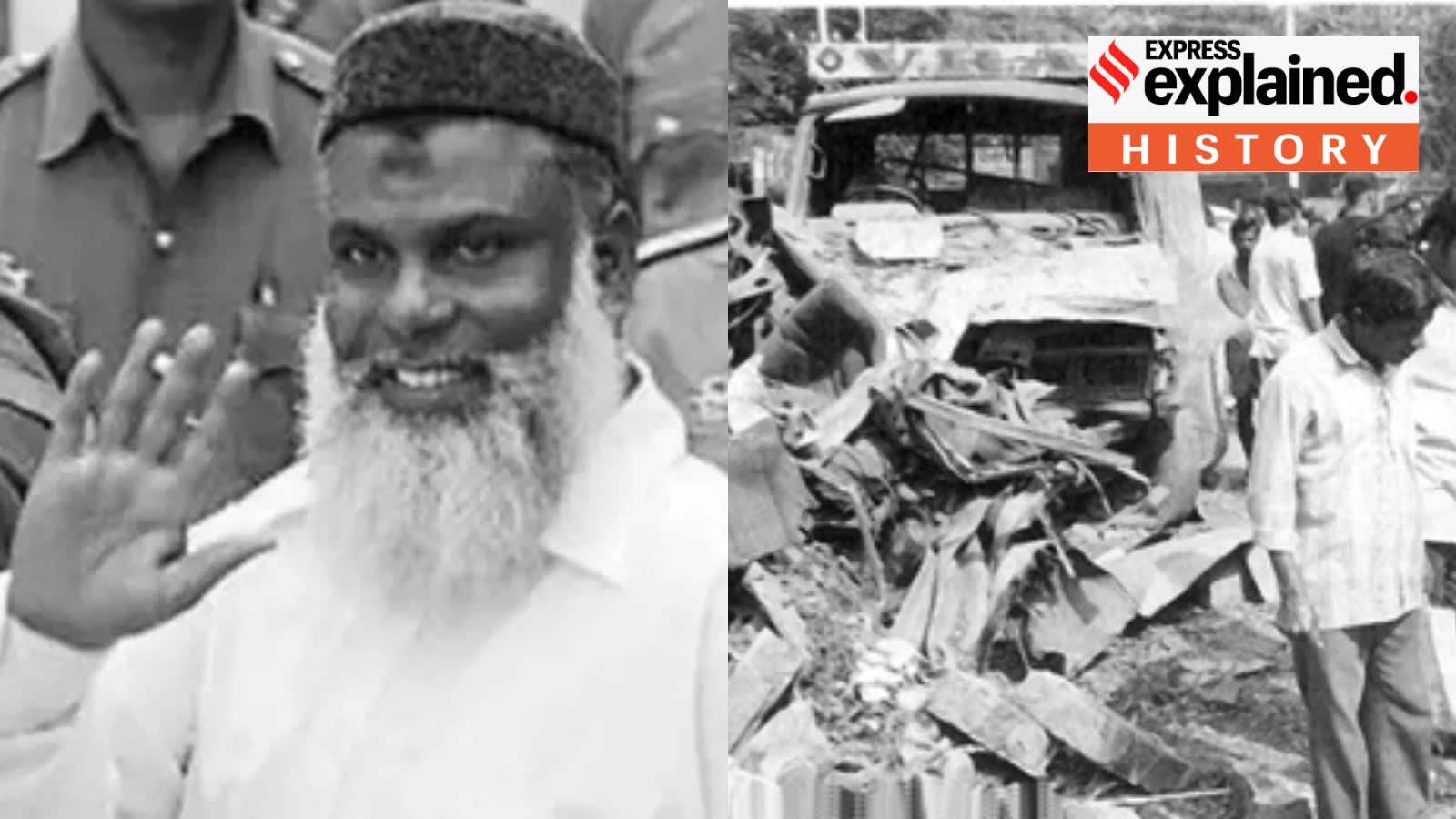
The Tamil Nadu government's decision to grant parole to five 1998 Coimbatore serial bombing convicts has sparked intense political controversy. The move has reignited debates surrounding the legacy of the attacks, which killed 58 people and targeted L.K. Advani.
The Legacy of the 1998 Coimbatore Bombings
The recent decision by the Tamil Nadu government to grant 60 days of parole to five life convicts involved in the 1998 Coimbatore serial bombings has reignited a deeply sensitive chapter in India’s modern history. This move, which has been met with immediate and vocal opposition from the BJP, serves as a stark reminder of the enduring scars left by one of the most violent episodes in the state's post-independence history. The bombings were not an isolated incident but the culmination of a period of severe communal tension that had paralyzed the industrial city of Coimbatore for months.
The Precursor: Communal Polarization
To understand the gravity of the 1998 bombings, one must look at the preceding months of instability. Just three months prior to the explosions, Coimbatore witnessed intense communal violence and police firing, resulting in the deaths of 18 Muslim individuals. This period of unrest created a climate of fear and deep-seated grievances, which extremist elements subsequently exploited to orchestrate a retaliatory terrorist conspiracy. The interplay between local communal strife and the eventual orchestration of the blasts illustrates how localized violence can spiral into coordinated acts of terror with national repercussions.
The Target and the Tragedy
On the day of the serial bombings, the primary target was the then-BJP leader L.K. Advani, who was scheduled to address an election rally in the city. The coordinated nature of the blasts, which resulted in the deaths of 58 civilians, was designed to cause maximum carnage and shift the political landscape. By targeting a prominent national leader, the conspirators sought to strike at the heart of the national political discourse, effectively forcing the state and central security apparatus to re-evaluate internal security protocols and the potential for radicalization within the region.
Political Fallout and Governance
Historically, the 1998 attacks inflicted lasting political damage on the then-DMK government, which faced severe criticism regarding intelligence failures and the inability to maintain law and order. The current controversy surrounding the parole of the five convicts is an extension of this historical friction. For the BJP, the demand for the reversal of this parole is not merely a legalistic stance but a symbolic reclaiming of the narrative surrounding the victims of the bombings. The government’s decision has placed it in the center of a volatile debate, pitting the principles of judicial leniency and rehabilitation against the public demand for retributive justice.
Future Implications and Social Cohesion
The debate over the parole of these convicts underscores the ongoing challenge of balancing justice, human rights, and political reconciliation in a post-conflict society. The decision forces the state to confront the lingering trauma of the 1998 victims while managing the complexities of a multi-faceted legal system. Moving forward, the state government will likely face continued pressure from opposition groups to justify its policies, highlighting how the ghosts of 1998 continue to shape current political alliances, voting behaviors, and the broader social fabric of Tamil Nadu.