'No legal action, FIRs being withdrawn': Bihar govt gives assurance; big win for students, CJP
Source Entity
TOI NEWS DESK
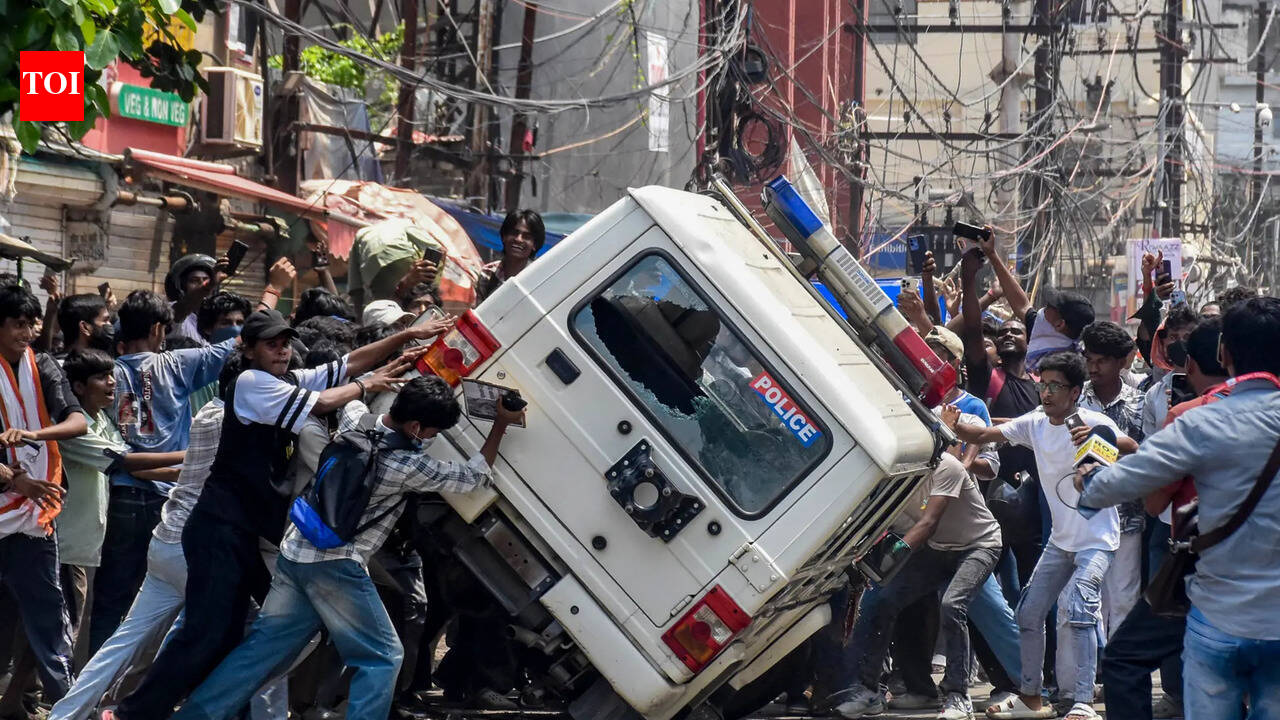
The Cockroach Janta Party (CJP) has secured government assurances for the withdrawal of FIRs and release of detainees involved in NEET-UG protests. Bihar and Assam have already issued formal notifications, with other NDA states expected to follow suit.
Breakthrough in NEET-UG Protests: Legal Relief for Demonstrators
Following intense negotiations that extended into the early hours of Wednesday, the Cockroach Janta Party (CJP) has announced a significant development regarding the ongoing NEET-UG protest agitation. Government representatives engaged in a multi-hour dialogue with CJP leadership, resulting in the sharing of draft notifications that signal a major de-escalation of legal tensions surrounding the student-led movement.
The Scope of Government Assurances
The core of the agreement centers on the immediate relief for protesters who faced legal repercussions during the demonstrations. According to CJP chief spokesperson Saurav Das, the government has provided concrete evidence of its intent by sharing notifications from the state governments of Bihar and Assam. These documents explicitly guarantee the withdrawal of First Information Reports (FIRs), the release of individuals currently held in detention, and a formal protection against any future legal action related to these specific protests.
Expanding the Agreement to NDA-Led States
While the initial notifications cover Bihar and Assam, the implications of these talks extend nationally. The CJP leadership, supported by senior advocate Kapil Sibal, has been vocal about the necessity of a uniform approach across all regions where demonstrations occurred. The government has reportedly committed to issuing similar guarantee-notifications across all other BJP and NDA-governed states, aiming to standardize the treatment of protesters and prevent further legal friction.
The Role of High-Level Advocacy
The negotiation process was marked by a strategic push from the CJP, involving key figures such as Saurav Das and Ashutosh Ranka. By engaging senior legal counsel like Kapil Sibal, the group effectively bridged the gap between street-level agitation and bureaucratic resolution. The late-night nature of these talks—lasting until past 1 AM—underscores the urgency with which both the Union government and the CJP sought to resolve the standoff to prevent further public unrest.
Broader Implications and Future Trends
This resolution suggests a pivot in how the administration manages large-scale student protests. By opting for the withdrawal of FIRs rather than continued litigation, the government appears to be prioritizing stability and the mitigation of long-term legal grievances. If successfully implemented across the remaining states, this move could serve as a template for resolving future civil agitations, potentially reducing the reliance on punitive legal measures as a primary response to organized political dissent.
Conclusion: A Unified Stance
The CJP’s firm stance, captured in their motto that "no protester will be left alone," has proven effective in compelling state machinery to reverse course. As the government moves to formalize these protections nationwide, the focus will now shift to the administrative execution of these releases. The success of this agreement will be measured by the speed at which detainees are freed and the consistency with which the "no future action" policy is upheld by local authorities.
Multiple Citing Sources