Centre promises to withdraw NEET protest FIRs. Why the process may still take time
Source Entity
Sadaf Modak
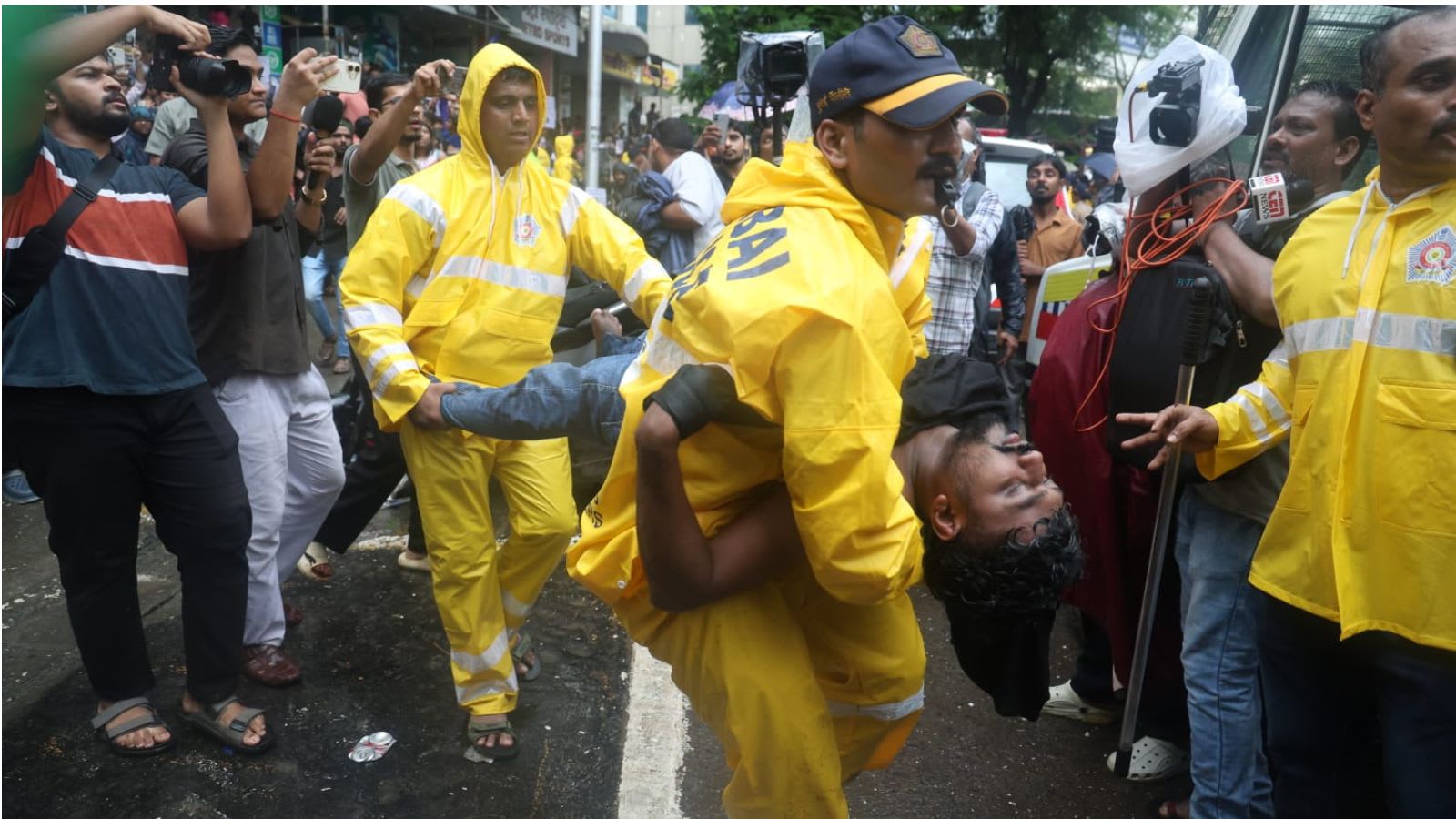
The Cockroach Janta Party (CJP) has secured government assurances regarding the protection and release of student protesters in Bihar and Assam. Meanwhile, a Bihar constable has been suspended for the unauthorized discharge of an AK-47 during related demonstrations in Siwan.
Tensions Eased: CJP Secures Protections for Student Protesters
In a significant development for student advocacy in India, the Cockroach Janta Party (CJP) has successfully negotiated with the Union government to secure protections for student protesters. Following high-stakes, late-night deliberations that extended until 1:00 AM on Monday, CJP leaders Saurav Das and Ashutosh Ranka, supported by senior advocate Kapil Sibal, confirmed that the government has committed to withdrawing FIRs and releasing detainees. This dialogue marks a pivotal shift in the ongoing friction between student activists and state authorities in regions like Bihar and Assam.
The Mechanics of the Agreement
The agreement reached between the CJP and government representatives serves as a de-escalation mechanism. By providing official notifications from the governments of Bihar and Assam, the state has signaled a move toward amnesty. The core of this agreement—guaranteeing the release of detainees and promising no future punitive action against protesters—is intended to restore order while acknowledging the grievances aired by students. This development is crucial, as it shifts the narrative from confrontational protest to a framework of legal and administrative resolution.
The Siwan Incident: Police Accountability Under Scrutiny
While political negotiations moved toward resolution, the ground reality in Bihar remained volatile. In Siwan, a police constable, Abhishek Kumar, was suspended following an unauthorized incident where he discharged an AK-47 rifle into the air during student protests. The Siwan District Magistrate, Vivek Ranjan Maitrey, and Superintendent of Police, Puran Kumar Jha, confirmed that the firing was entirely unsanctioned. This incident has drawn intense scrutiny, particularly as it resulted in three individuals sustaining bullet injuries, necessitating a rigorous departmental investigation.
Broader Implications for Law Enforcement
The suspension of Constable Abhishek Kumar highlights the increasing pressure on law enforcement to maintain discipline during civil unrest. The fact that the constable was part of a District Intelligence Unit (DIU) team meant to be conducting routine investigations, rather than crowd control, underscores the risks of unauthorized force. This incident has fueled parliamentary debates regarding police excesses, prompting the administration to take immediate, transparent action to avoid further public backlash and loss of institutional trust.
Future Trends and Political Stability
Looking ahead, the commitment from the Union government to honor these agreements will be the primary test of political stability. The CJP’s active role in mediating these terms suggests a growing trend where political organizations act as essential conduits between the state and the youth. If the government follows through on the withdrawal of FIRs and the cessation of harassment, it may set a precedent for handling future student movements. However, the incident in Siwan serves as a reminder that administrative oversight of ground-level personnel remains a critical challenge in preventing localized violence from spiraling into a national crisis.
Multiple Citing Sources