‘Lowered authority of court’: Government nod for criminal contempt case against CJP’s Ratna Singh
Source Entity
Sohini Ghosh
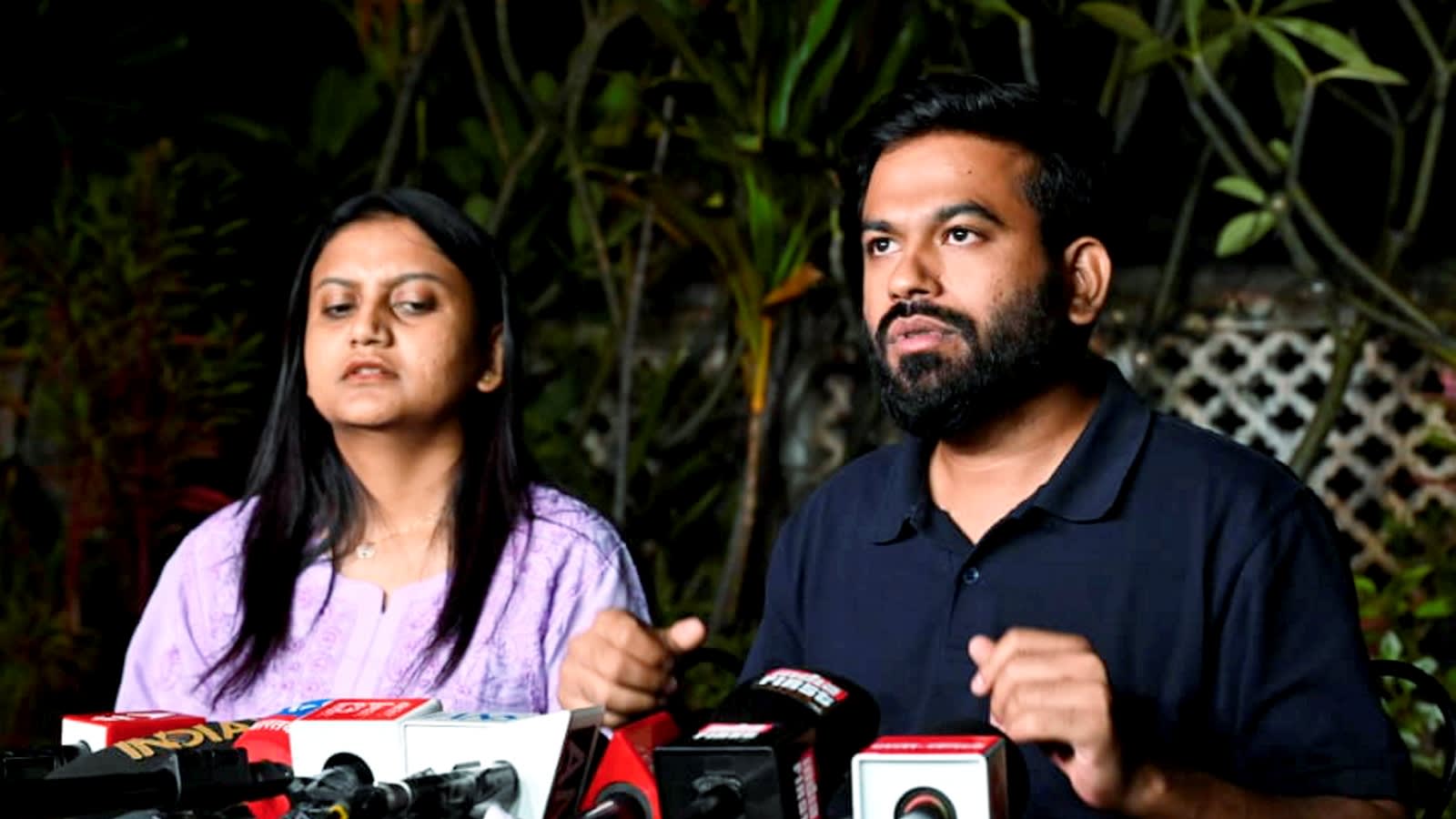
The Delhi government has authorized criminal contempt proceedings against Ratna Singh, the legal head of the Cockroach Janta Party. The action follows allegations that Singh's social media posts undermined the independence of a chief judicial magistrate.
Legal Escalation Against CJP Leadership
The Delhi government’s recent decision to grant consent for criminal contempt proceedings against Ratna Singh, the legal head of the Cockroach Janta Party (CJP), marks a significant escalation in the intersection of political activism and judicial oversight. This move follows a formal request by lawyer Kausik Chatterjee, who alleged that Singh utilized her X (formerly Twitter) handle to cast aspersions on the impartiality of a Chief Judicial Magistrate (CJM). By authorizing the Additional Standing Counsel (ASC) to proceed, the government has essentially cleared the path for a high-stakes legal confrontation in the Delhi High Court.
The Nexus of Contempt and Political Expression
At the heart of this dispute is the thin line between protected political speech and criminal contempt of court. The allegations suggest that Singh’s public commentary—ostensibly criticizing the judiciary—crossed the threshold of constructive criticism and ventured into territory that allegedly lowers the authority of the court. In the eyes of the law, such actions are viewed as an affront to the dignity of the judicial process, which relies on public confidence to maintain its institutional legitimacy. The judiciary often maintains a strict stance on such matters to ensure that judicial officers can perform their duties without being subjected to public intimidation or disparagement.
Contextualizing the October 10 Detention
The timing of these proceedings is inextricably linked to the events of October 10, a day defined by a CJP protest that resulted in the detention of Ratna Singh. This detention serves as the catalyst for the subsequent social media remarks that have triggered the current legal fallout. When political figures are detained during protests, the ensuing public narrative often becomes a battleground for grievances against the state and the judiciary. Singh’s remarks appear to be a direct reaction to her experiences during this period of confinement, highlighting the volatile relationship between political movements and the legal mechanisms of the state.
Procedural Implications for the Delhi High Court
With the consent of the Delhi government’s ASC, Amol Sinha, secured, the procedural hurdle to initiate a contempt petition has been cleared. Kausik Chatterjee is now empowered to move the Delhi High Court, which will ultimately decide whether Singh’s statements constitute a criminal contempt of court. This process is rigorous; the court will evaluate whether the statements were intended to scandalize the court or interfere with the administration of justice. The outcome will set a precedent for how political actors, particularly those in legal leadership roles, interact with the judiciary in the digital age.
Broader Trends in Judicial Accountability
This case highlights a growing trend where the judiciary is increasingly called upon to defend its institutional reputation against social media-driven criticism. As political polarization increases, the platforms used by party leaders to reach their base often become conduits for intense scrutiny of judicial decisions. This case serves as a reminder that while the right to free speech is foundational, it is not absolute when it conflicts with the necessity of maintaining judicial independence. The resolution of this matter will likely influence how future instances of alleged judicial disparagement are handled in both the political and legal spheres.