Claudia Winkleman's chat show ended after one series - can anyone replace Graham Norton?
Source Entity
BBC News
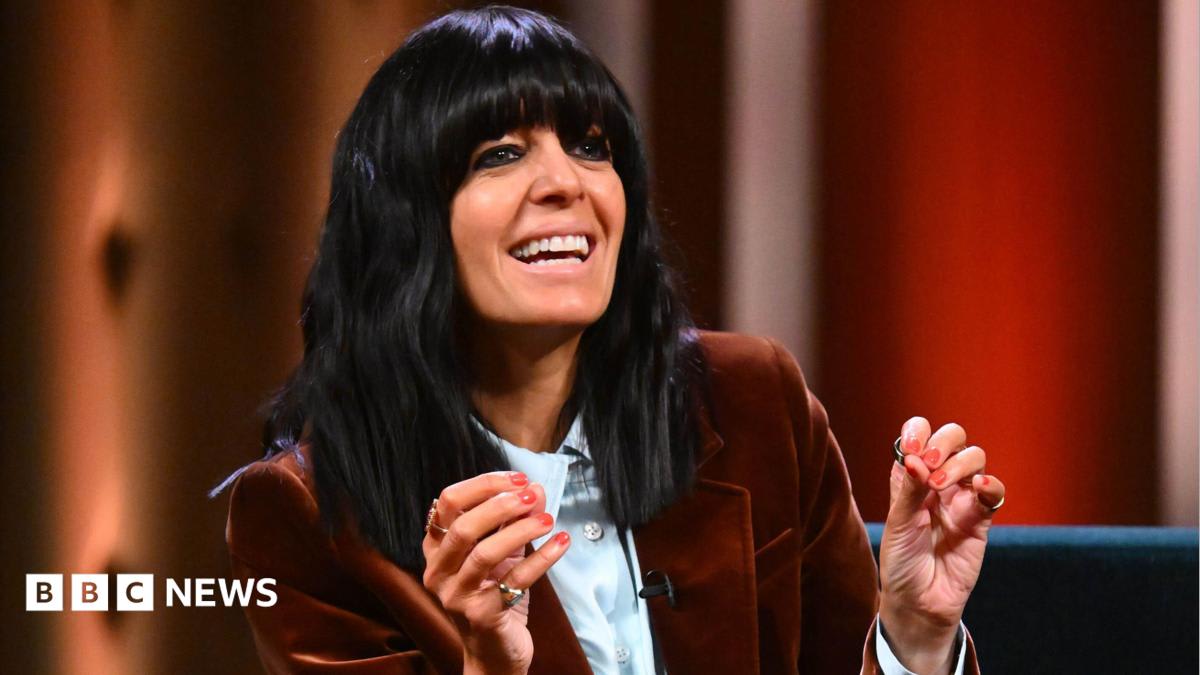
Claudia Winkleman has stepped down from her self-titled chat show after a single series, citing excessive nerves. Despite notable moments like the meeting between Lisa Kudrow and Linda from The Traitors, the show failed to gain long-term traction.
The Brief Run of The Claudia Winkleman Show
The landscape of British television chat shows is notoriously difficult to navigate, a reality underscored by the recent conclusion of The Claudia Winkleman Show. After a seven-week run, the presenter announced her departure from the project, candidly admitting that she felt "too nervous to enjoy it," despite expressing gratitude for the opportunity. This swift exit highlights the immense pressure inherent in the talk show format, a genre traditionally dominated by seasoned veterans who have spent decades refining their on-screen persona.
A Unique Collision of Pop Culture
One of the most notable highlights of the programme’s short tenure was the interaction between Friends star Lisa Kudrow and Linda, a breakout contestant from the reality series The Traitors. This segment served as a testament to Winkleman’s unique position in the industry. As the host of The Traitors, she was able to facilitate a crossover that felt both organic and refreshingly bizarre, echoing the high-profile, eclectic guest pairings often associated with The Graham Norton Show.
The Shadow of the Chat Show Titan
Comparing any new chat show to The Graham Norton Show is an inevitable, if somewhat unfair, industry standard. Norton has mastered the art of the multi-guest sofa format, creating an environment where celebrities feel at ease enough to share anecdotes they might otherwise withhold. While Winkleman’s show attempted to capture some of this magic, the departure of the host so early in the series suggests that the specific chemistry required to anchor such a show is exceptionally difficult to replicate, even for a presenter as established as Winkleman.
The Impact of Performance Anxiety
It is rare for a high-profile presenter to be as transparent about their personal struggle with nerves as Winkleman has been. Her admission that she was "too nervous to enjoy it" offers a humanizing glimpse into the high-stakes world of television hosting. This professional introspection suggests that while the format was technically sound, the psychological toll of the specific demands of a nightly or weekly chat show proved incompatible with her personal comfort level.
Looking Ahead: The Future of the Format
The cancellation of the show raises broader questions about the sustainability of the traditional talk show model in an era where audiences are increasingly fragmented. As networks look for the next big personality to command the "teal sofa," they must weigh the risk of investing in new talent against the proven, yet aging, success of existing icons. The industry will likely continue to search for fresh voices, but the brevity of this experiment serves as a reminder that success in this genre requires a specific, often elusive, blend of grit and charisma.
Conclusion
Ultimately, the end of The Claudia Winkleman Show is a reflection of the brutal realities of television programming. While the show provided memorable moments for its audience, the host's decision to prioritize her well-being over the continuation of the series is a move that underscores the personal cost of high-profile broadcasting. Whether another host will be able to fill the void left by such departures remains a significant question for television executives moving forward.