As Indian comedy evolves, so does the battle over its limits
Source Entity
Akriti Kanodia
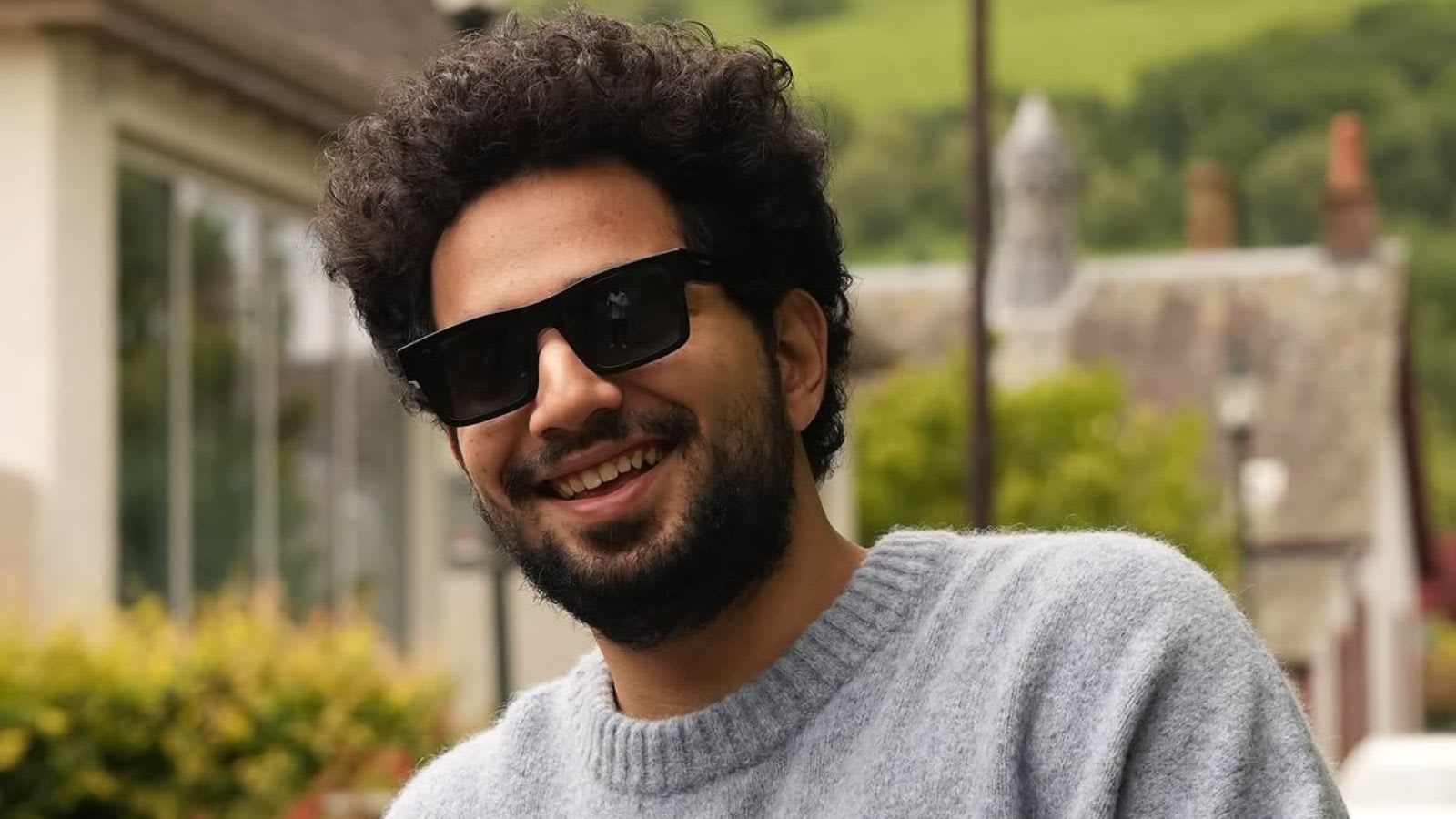
Indian stand-up comedy is facing increased legal and social scrutiny as creators like Samay Raina navigate the complexities of satire in a polarized climate. This ongoing tension reflects a broader historical struggle between comedic expression and public morality in India.
The Evolution and Scrutiny of Indian Stand-Up Comedy
As the second season of India’s Got Latent debuts, its creator Samay Raina finds himself at the center of a familiar storm. The legal challenges emerging from the show’s first season underscore a recurring theme in modern Indian entertainment: the precarious balance between artistic license and the rigid boundaries of public sentiment. Raina, currently one of the most prominent figures in the industry, has become a focal point for the growing friction between the bold, improvisational nature of modern stand-up and the traditional expectations of societal decorum.
A History of Confrontation
The trajectory of Indian stand-up is marked by a series of high-profile clashes. From the early digital disruption caused by AIB to the targeted legal battles faced by performers like Kunal Kamra and Munawar Faruqui, the genre has matured under the shadow of persistent litigation. This pattern suggests that as comedy has moved from the fringes of YouTube to the center of mainstream cultural discourse, it has inevitably attracted the attention of those who view satire not merely as entertainment, but as a challenge to established social and political norms.
The Burden of the 'Edge'
For comedians like Samay Raina, the mandate to 'push the edge' carries a heavy professional toll. The transition from stage performance to courtroom appearances has become a hallmark of the current era. This phenomenon highlights a shift where the comedian is no longer just a performer but a lightning rod for political and cultural debates. The scrutiny faced by Raina is a direct consequence of the genre's newfound prominence, where every joke is analyzed under the microscope of public morality and legal statutes.
Satire and the Law: A Fragile Intersection
There is a deep-seated tension in India regarding where satire rightfully meets the law. While Indian culture has historically enjoyed humor through cinema and television, the stand-up format—which relies on direct, often biting, audience interaction—is a relatively recent arrival. This brevity of history means that the legal and social frameworks meant to govern speech are often ill-equipped to handle the nuances of modern stand-up, leading to a climate where complaints and police filings are used as tools to regulate comedic content.
Future Trends and Cultural Impact
The future of Indian comedy will likely be defined by how creators navigate these systemic pressures. As the industry continues to grow, it faces a fork in the road: either self-censorship becomes the norm to avoid the 'burden' of legal battles, or the ecosystem develops stronger mechanisms to protect artistic expression. The ongoing struggles of figures like Raina suggest that the battle over comedy’s limits is far from over, and will remain a pivotal issue in the broader conversation about freedom of expression in the digital age.
Conclusion
The story of India’s Got Latent is more than just a production update; it is a case study in the maturation of Indian media. As the genre continues to evolve, the necessity for a clearer dialogue between comedians, the legal system, and the public becomes increasingly apparent. The ability to laugh at oneself and one's society remains a critical component of a healthy democracy, yet the current landscape suggests that this right is currently being negotiated in real-time, one courtroom appearance at a time.