Coca-Cola suspended production at its Fairlife dairy after a ransomware attack
Source Entity
Zack Whittaker
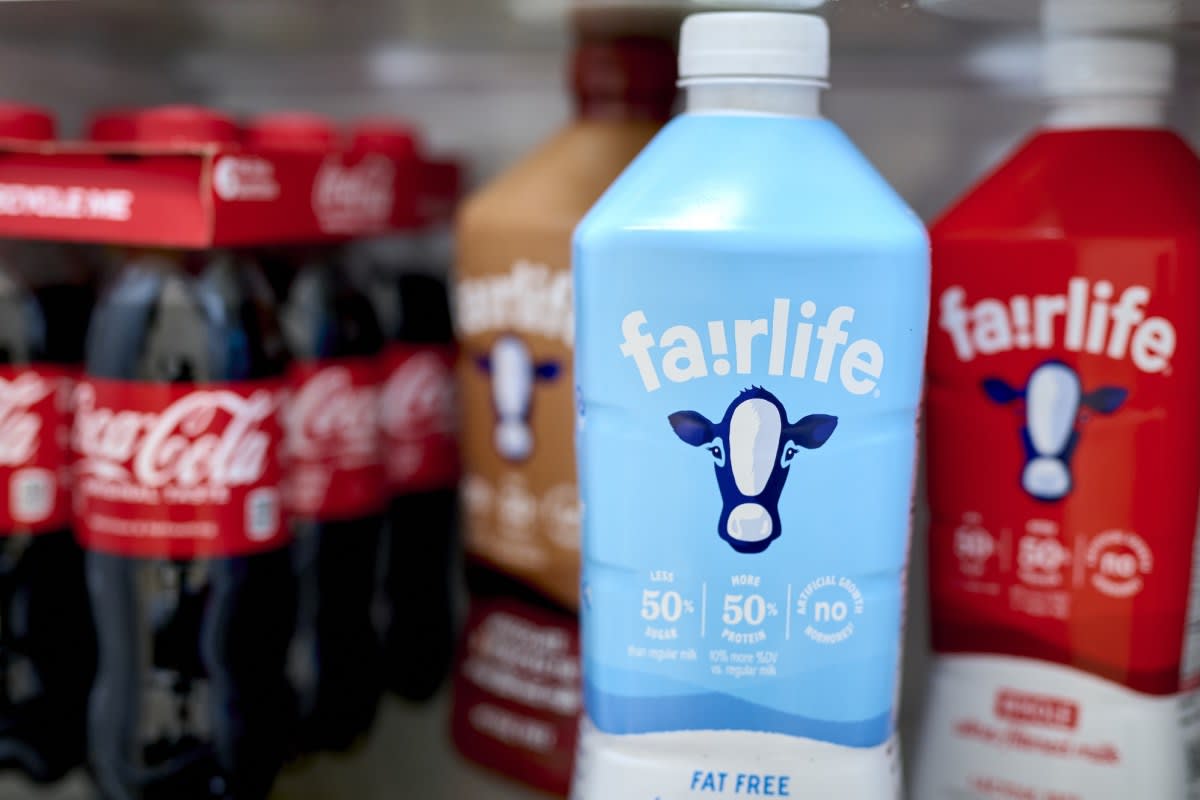
Coca-Cola has temporarily suspended Fairlife dairy production across the United States following a ransomware attack. While Canadian operations remain unaffected, the attack targets a major brand projected to generate $4 billion in sales by 2024.
Cyber Attack Disrupts Coca-Cola's Dairy Operations
In a significant blow to its supply chain, the global beverage giant Coca-Cola has announced the temporary suspension of production for its Fairlife dairy brand within the United States. This operational halt comes as a direct result of a ransomware attack that has compromised the company's production systems. The incident highlights the growing vulnerability of global food and beverage infrastructure to sophisticated cyber threats that can bring physical manufacturing to a standstill.
The Scope of the Operational Shutdown
According to a formal disclosure filed with the U.S. Securities and Exchange Commission (SEC), the ransomware attack specifically targeted the production systems of Fairlife. Because these systems are critical for the processing and packaging of dairy products, Coca-Cola was forced to suspend operations across its U.S. footprint to contain the breach and prevent further systemic failure. Interestingly, the company noted that Fairlife’s operations in Canada remain unaffected, suggesting that the attack may have been isolated to U.S.-based network architecture or specific regional servers.
Financial Implications and Market Impact
The financial stakes of this disruption are substantial. Fairlife is not a peripheral asset but a cornerstone of Coca-Cola's diversification strategy into the dairy sector. With estimated sales projected to reach $4 billion by 2024, any prolonged suspension of production could lead to significant revenue losses and market share erosion. For a multinational of Coca-Cola's scale, the immediate loss is measured not just in daily sales, but in the potential disruption of long-term retail contracts and distribution agreements across the U.S.
The Vulnerability of Industrial Production Systems
This event underscores a broader trend in the business world where ransomware is shifting from data theft to operational sabotage. By targeting production systems, attackers can exert maximum pressure on a company by halting the physical output of goods. In the dairy industry, where product perishability is a critical factor, a shutdown of production systems can lead to rapid waste and supply chain gaps, amplifying the urgency for the company to resolve the crisis.
Regulatory Transparency and Corporate Governance
Coca-Cola's decision to disclose this event via the SEC demonstrates the stringent reporting requirements now facing public companies regarding cybersecurity. The move to notify regulators indicates that the company views the ransomware attack as a material event that could impact investor confidence or financial performance. This transparency is essential for maintaining market stability, though it also alerts competitors and potential future attackers to the vulnerabilities within the company's subsidiary networks.
Conclusion and Future Outlook
As Coca-Cola works to restore its Fairlife production systems, the company will likely face a period of intensified security audits and infrastructure upgrades. The contrast between the halted U.S. operations and the functional Canadian operations provides a roadmap for analyzing where the security breach occurred. Ultimately, this incident serves as a stark reminder that even the world's largest companies are susceptible to cyber-attacks that can translate digital vulnerabilities into tangible, multi-billion dollar operational risks.