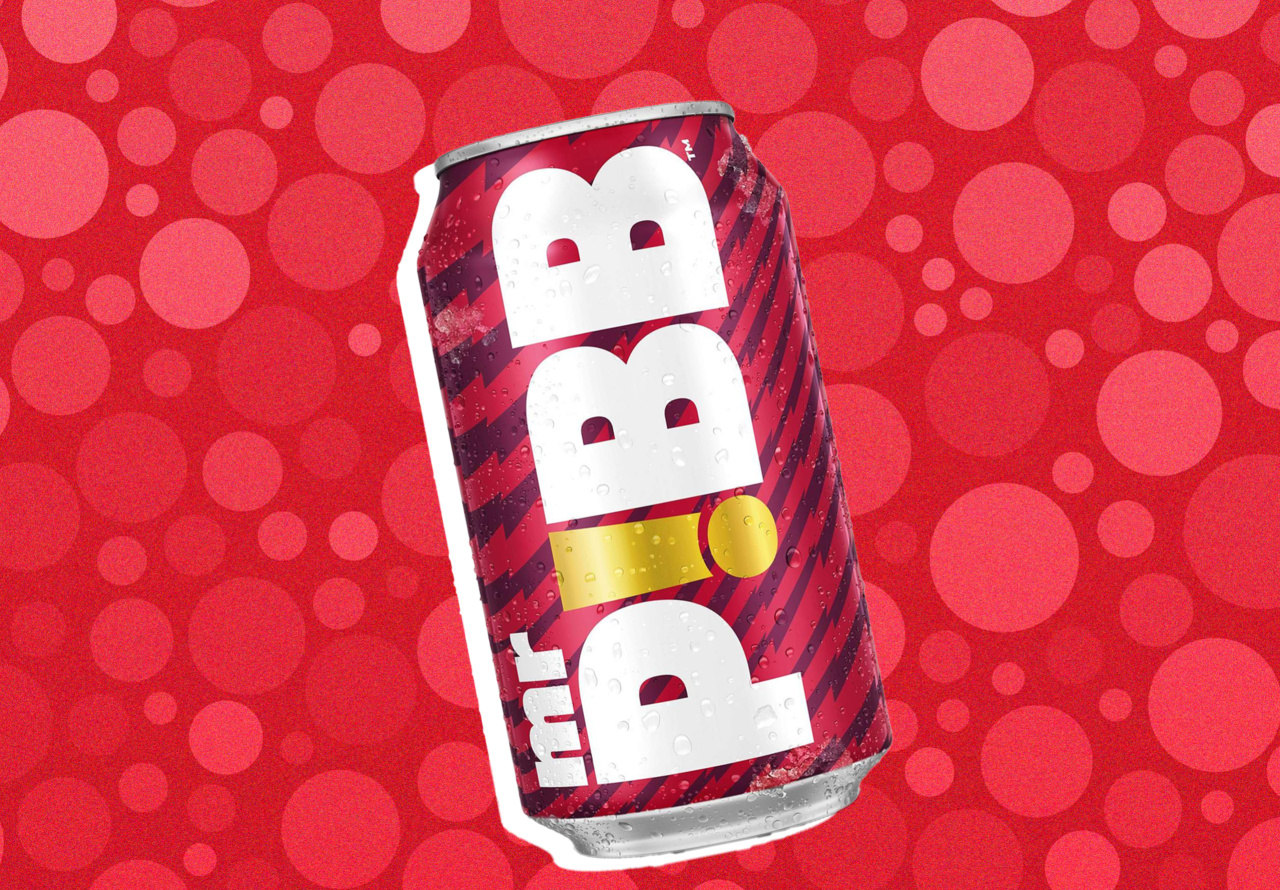
An extra-caffeinated version of Mr. Pibb is helping Coca-Cola win over cash-strapped shoppers
Source Entity
Bill Peters
Coca-Cola outperformed Wall Street expectations in its second-quarter earnings report, driven by strong demand for premium products and lower-calorie options. The company's stock has surged 19% this year, outpacing broader market gains despite economic volatility.
Coca-Cola's Q2 Performance: A Market Outperformer
Coca-Cola has demonstrated remarkable financial resilience in the current fiscal year, with its stock price appreciating by 19%, significantly outperforming the broader S&P 500 index. This momentum culminated in a strong second-quarter earnings report, where the beverage giant surpassed Wall Street expectations on both top and bottom lines. Reporting adjusted earnings of 97 cents per share against an expected 93 cents, and revenue of $13.38 billion compared to the anticipated $13.16 billion, the company has effectively navigated a period characterized by macroeconomic uncertainty.
Strategic Wins: Premiumization and Portfolio Depth
A critical factor in Coca-Cola’s success is its ability to maintain demand among high-income consumers who remain willing to pay a premium for its products. This strategy stands in stark contrast to industry peers; for instance, PepsiCo recently reported a 4% decline in North American beverage volume, highlighting a divergence in consumer loyalty and brand strength. Coca-Cola’s focus on high-value segments has allowed it to raise its full-year earnings guidance, signaling confidence in its ability to sustain growth despite broader inflationary pressures.
The Rise of Lower-Calorie Offerings
Consumer health trends continue to reshape the beverage landscape, and Coca-Cola is capitalizing on this shift. The company reported that lower-calorie options are driving significant volume growth, with Coca-Cola Zero Sugar experiencing a 16% increase in volume during the quarter. Furthermore, CFO John Murphy noted that Diet Coke is "having a moment," with volumes up 7%. This success underscores the efficacy of the company's marketing and product development efforts, which have successfully pivoted to meet the evolving preferences of health-conscious shoppers.
Leveraging Cultural and Global Events
Beyond product innovation, Coca-Cola is effectively leveraging major cultural and sporting events to drive consumption. The company cited the influence of 'America 250' celebrations and the FIFA World Cup as catalysts for increased engagement. These events provide a platform for the brand to maintain high visibility and relevance, effectively converting seasonal enthusiasm into tangible volume growth, which rose 5% globally—surpassing the 2.5% growth Wall Street had initially modeled.
Competitive Advantage and Market Outlook
While some segments of the retail economy show signs of strain, Coca-Cola’s strategy of diversifying its portfolio—including the introduction of niche, high-caffeine products like an extra-caffeinated Mr. Pibb—has helped it capture cash-strapped shoppers alongside its premium base. By maintaining a balance between high-end demand and accessible, value-driven innovation, Coca-Cola is currently bucking trends of consumer weakness. As the company trends toward record-high stock valuations, its ability to maintain this momentum will depend on its continued success in balancing product innovation with the realities of a volatile global economy.
Multiple Citing Sources
Verification Required?