Rahul Gandhi, Akhilesh Yadav Hold Key As Congress-Samajwadi Seat Talks Stall
Source Entity
NDTV News Search Records Found 1000
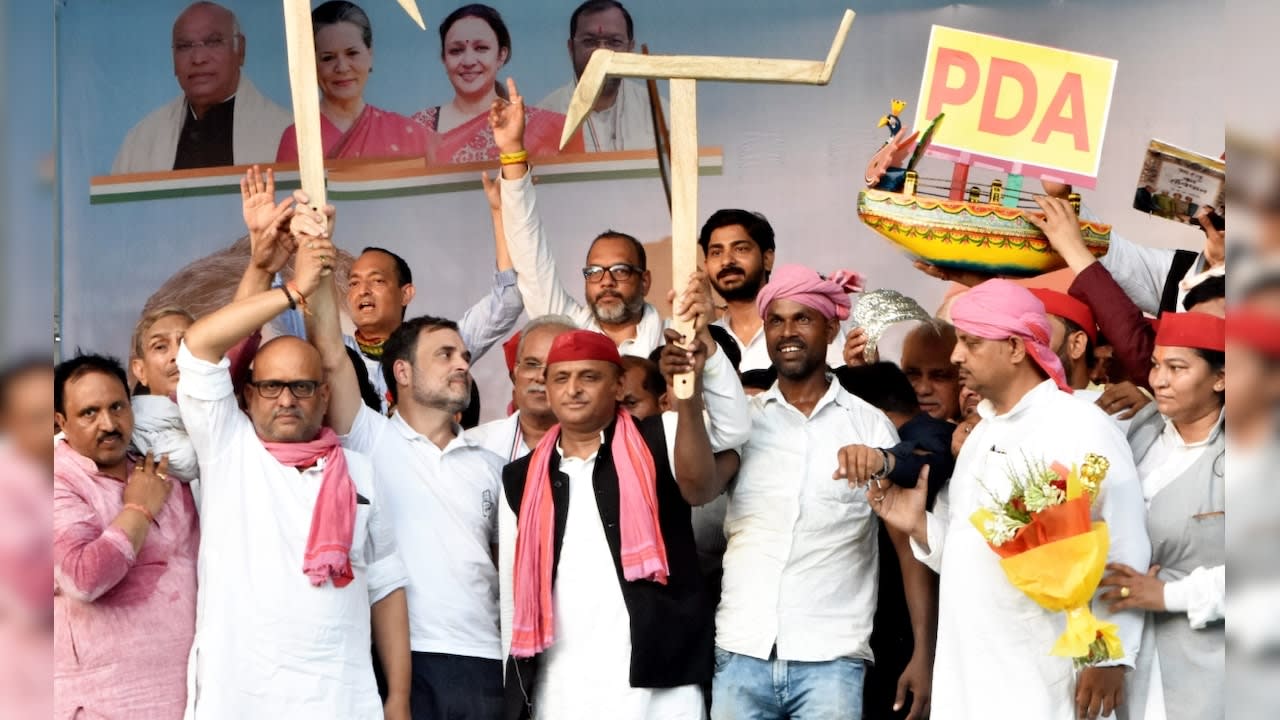
Seat-sharing negotiations between the Congress party and the Samajwadi Party have been indefinitely postponed. No further discussions are scheduled to occur until the conclusion of the current parliamentary session on December 3.
Stalled Negotiations: The Congress-Samajwadi Impasse
The recent reports confirming that seat-sharing discussions between the Congress party and the Samajwadi Party have been deferred indefinitely mark a significant moment of friction within opposition dynamics. This pause in dialogue suggests that the two key political players have hit a substantive roadblock, preventing them from reaching a consensus on electoral strategy ahead of upcoming political cycles. By pushing these talks past the December 3 conclusion of the reconvened parliament, both parties have effectively signaled that a resolution is not currently on the immediate horizon.
The Impact of Parliamentary Focus
The decision to halt negotiations until the parliamentary session concludes underscores the prioritization of legislative duties over electoral maneuvering. During active parliamentary sessions, political leadership is often consumed by floor management, legislative debates, and maintaining party discipline. The decision to defer suggests that the complexities of seat-sharing—which involve balancing historical vote bases and local candidate aspirations—require a level of dedicated attention that is currently unattainable amidst the rigors of the legislative calendar.
Historical Context of Alliance Building
Historically, seat-sharing in Indian politics is a delicate exercise in coalition management. For parties like Congress and the Samajwadi Party, the challenge lies in reconciling regional influence with national objectives. When negotiations stall, it often points to deeper disagreements over 'winnability' metrics, where each party contests the strength of the other in specific constituencies. This pattern of 'indefinite deferral' is a common tool used by political negotiators to cool tensions, allow for internal party consultations, and avoid a premature breakdown of the broader alliance framework.
Broader Implications for the Opposition
The inability to finalize a seat-sharing arrangement has broader implications for the cohesion of opposition blocks. In an environment where strategic unity is often touted as the most effective counter to dominant political forces, a failure to align on seat allocation can lead to vote splitting, which historically benefits the incumbent. The delay signals that while both parties may share ideological goals, the granular task of dividing electoral geography remains a formidable hurdle that could reshape the regional political landscape.
Future Trends and Outlook
Looking forward, the period after December 3 will be critical. Once the parliament concludes, both parties will likely face increased pressure to either finalize their alliance or go their separate ways. If the deadlock persists into the post-parliamentary phase, it may force both organizations to reconsider their long-term reliance on coalition-building versus independent electoral expansion. The upcoming weeks will serve as a litmus test for the durability of the current opposition cooperation, as the parties must decide if the costs of negotiation are outweighed by the potential benefits of a unified electoral front.
Conclusion
In summary, the indefinite deferral of seat-sharing talks between the Congress and the Samajwadi Party represents a tactical pause in a high-stakes negotiation. By choosing to wait until the conclusion of the December 3 parliament session, the leaderships are essentially buying time to resolve internal party disputes and evaluate their respective positions. Whether this delay leads to a breakthrough or a dissolution of the partnership remains to be seen, but it undoubtedly reflects the complex and often precarious nature of political alliances in India.
Verification Required?