Congress workers detained in Pune ahead of Shah, Doval visit
Source Entity
India Latest News: Top National Headlines Today & Breaking News | The Hindu
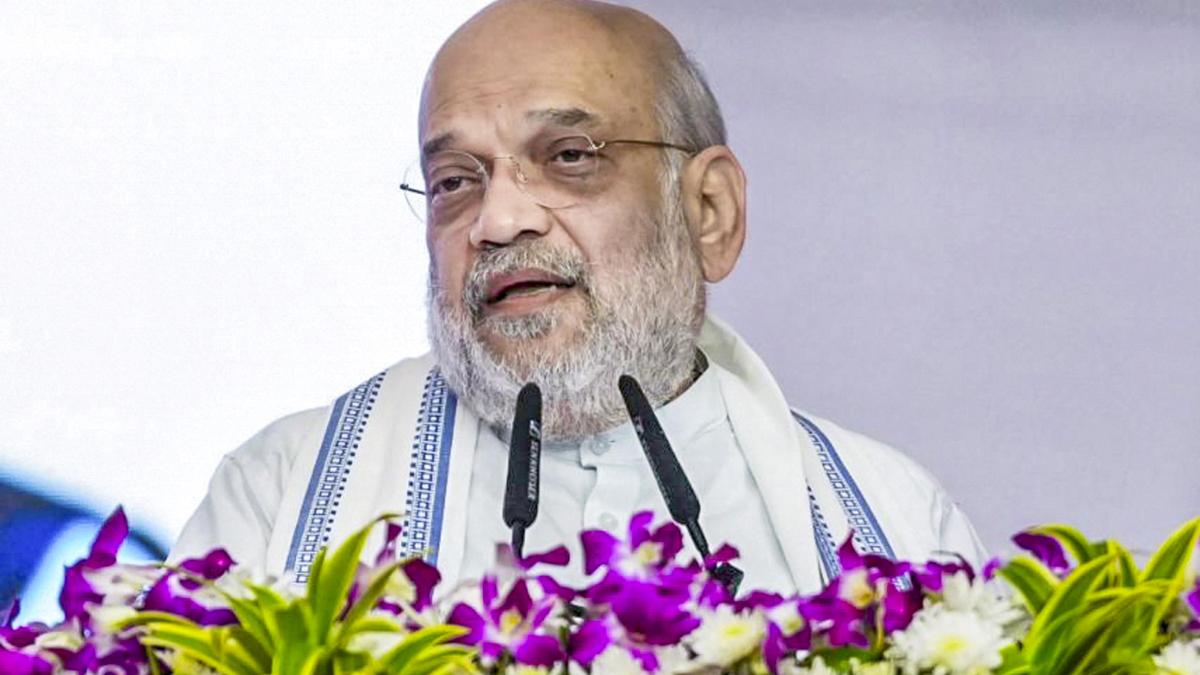
Pune police detained several Congress office-bearers as a preventive measure ahead of a visit by Union Home Minister Amit Shah and NSA Ajit Doval. The detentions occurred overnight to maintain security during the high-profile award ceremony.
Security Measures Precede High-Profile Visit in Pune
In a significant security operation, Pune police conducted a series of late-night detentions targeting Maharashtra Youth Congress and Pune City Congress office-bearers. This preemptive action, executed shortly after midnight on August 1, was officially characterized by authorities as a necessary step to maintain law and order during the high-profile visit of Union Home Minister Amit Shah and National Security Advisor (NSA) Ajit Doval.
The Context of Preemptive Detentions
The decision to take political workers into custody directly from their residences highlights the intense security protocols surrounding top-tier government officials. By removing potential demonstrators or agitators before the arrival of the Home Minister and the NSA, local law enforcement aimed to create a sanitized environment for the official proceedings. This practice, while common in sensitive political climates, often draws scrutiny regarding the balance between security imperatives and the democratic right to dissent.
The Significance of the Visit
Union Home Minister Amit Shah’s two-day visit to Pune was centered around a prestigious event: the presentation of the Lokmanya Tilak Memorial National Award to NSA Ajit Doval. The award ceremony, which took place on July 31, serves as a focal point for both political and national security discourses. Given the stature of both Mr. Shah and Mr. Doval, the event naturally attracted heightened security measures, reflecting the importance of the officials involved in managing India's internal and external security apparatus.
Analyzing the Security Rationale
The timing of the detentions—occurring throughout the night leading up to the events—underscores the reactive nature of police strategy in urban centers during high-stakes political visits. By acting before dawn, the police effectively neutralized the possibility of organized protests that could have disrupted the award ceremony or the movement of the dignitaries. This strategy reflects a broader trend of utilizing preventive detention to ensure the smooth conduct of government programs in polarized political landscapes.
Broader Political Implications
The detention of opposition party office-bearers in a major city like Pune serves as a reminder of the ongoing friction between the ruling party and political opponents. Such actions often lead to debates over the definition of 'preventive measures' versus the suppression of political expression. As these events unfold, they underscore the volatility of grassroots politics in Maharashtra, where local party units remain highly sensitive to the presence of central leadership.
Looking Ahead
As political activity intensifies across the country, the use of administrative detention during high-level visits will likely remain a point of contention. The precedent set by the Pune police highlights how security agencies prioritize the safety and unhindered movement of cabinet ministers and security advisors over the traditional allowance for public protest. Moving forward, the relationship between local law enforcement and opposition party workers will continue to be a defining feature of the political landscape in major Indian metropolitan areas.
Verification Required?