Delhi disaster management officials get pay hike after 16 years
Source Entity
The Indian Express
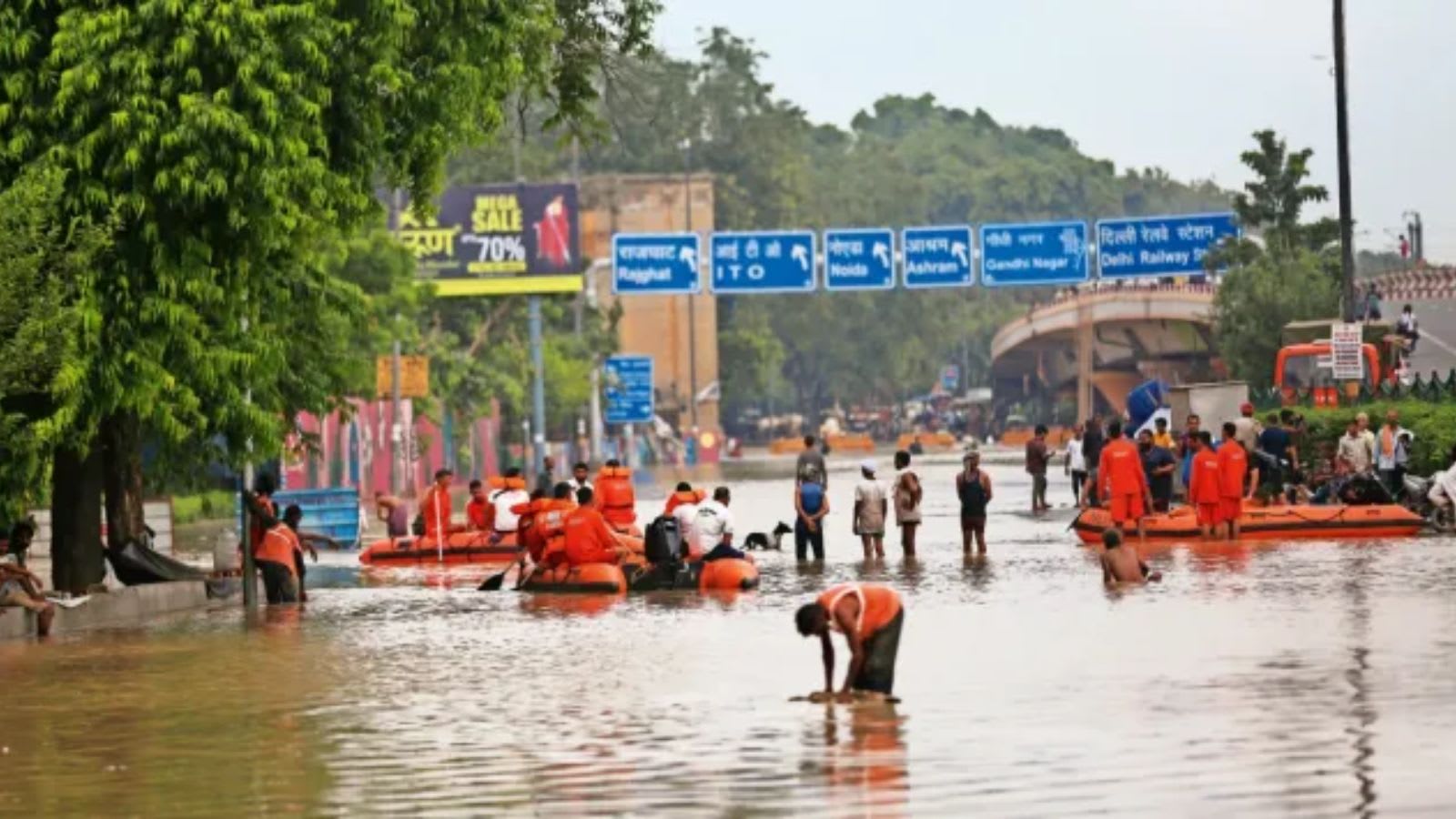
The Delhi government has approved a 100% pay hike for 32 DSDMA employees, the first such revision since the posts were created in 2009. This move addresses long-standing compensation stagnation for officials critical to the city's disaster management infrastructure.
Delhi Government Addresses Long-Standing DSDMA Pay Stagnation
In a significant administrative move, the Delhi government has sanctioned a remuneration increase of up to 100 percent for 32 employees of the Delhi State Disaster Management Authority (DSDMA). This decision marks a pivotal moment for the organization, as it represents the first upward revision of pay scales since the inception of these specific roles in 2009. Chief Minister Rekha Gupta characterized the move as a long-overdue measure of justice for personnel who have functioned as the foundational backbone of the capital's disaster mitigation efforts for over a decade and a half.
The Historical Context of DSDMA Roles
The posts affected by this decision—comprising project officers, district project officers, and project coordinators—were originally established in 2009 with collaborative support from the United Nations Development Programme (UNDP). At the time of their creation, these roles were intended to bridge the gap between policy formulation and grassroots disaster readiness. However, despite the evolving complexities of urban disaster management in a densely populated metropolis like Delhi, these roles remained tethered to their original 2009 compensation structures, failing to account for inflation or the increasing professional demands placed upon the staff.
Addressing Administrative Inequity
For 16 years, the lack of a pay revision created a significant disparity within the administrative framework of the DSDMA. By failing to adjust remuneration, the system effectively penalized those responsible for the city’s resilience. The current administration’s decision to double the pay for these 32 employees is an attempt to rectify this institutional oversight. By providing a 100 percent hike, the government is not only acknowledging the critical nature of disaster management but also attempting to retain institutional knowledge that might otherwise be lost to better-paying sectors.
Implications for Urban Resilience
Disaster management in a city like Delhi requires constant vigilance against diverse risks, ranging from seismic activity to climate-induced urban flooding and infrastructure failures. The officials targeted by this pay hike are the frontline coordinators who facilitate inter-departmental cooperation during emergencies. When such personnel are undervalued, it can lead to operational stagnation and decreased morale, which directly threatens the efficacy of the city's disaster response protocols. Ensuring competitive pay is a fundamental aspect of human resource management in public safety sectors.
Looking Toward Future Stability
The commitment to revise these salaries signals a potential shift toward more sustainable administrative practices within the DSDMA. If the government continues to treat these roles as permanent, vital components of the civil service rather than temporary project-based positions, it will likely lead to a more robust disaster management infrastructure. By moving beyond the initial UNDP-supported model and integrating these roles more firmly into the state's permanent payroll structure, Delhi is taking a necessary step toward professionalizing its emergency management apparatus.
Conclusion
Ultimately, the decision to hike the remuneration for DSDMA staff is a recognition of the essential service they provide to the capital. While the 16-year delay highlights a previous failure to prioritize the welfare of essential workers, the current correction serves as a vital investment in Delhi's future. By aligning the pay of these 32 critical employees with contemporary standards, the government is strengthening the human element of its disaster response, ensuring that those charged with protecting the city are themselves supported by the state.