Edappadi Palaniswami slams TVK government for failing to safeguard ‘permanent solution’ to Cauvery dispute
Source Entity
India Latest News: Top National Headlines Today & Breaking News | The Hindu
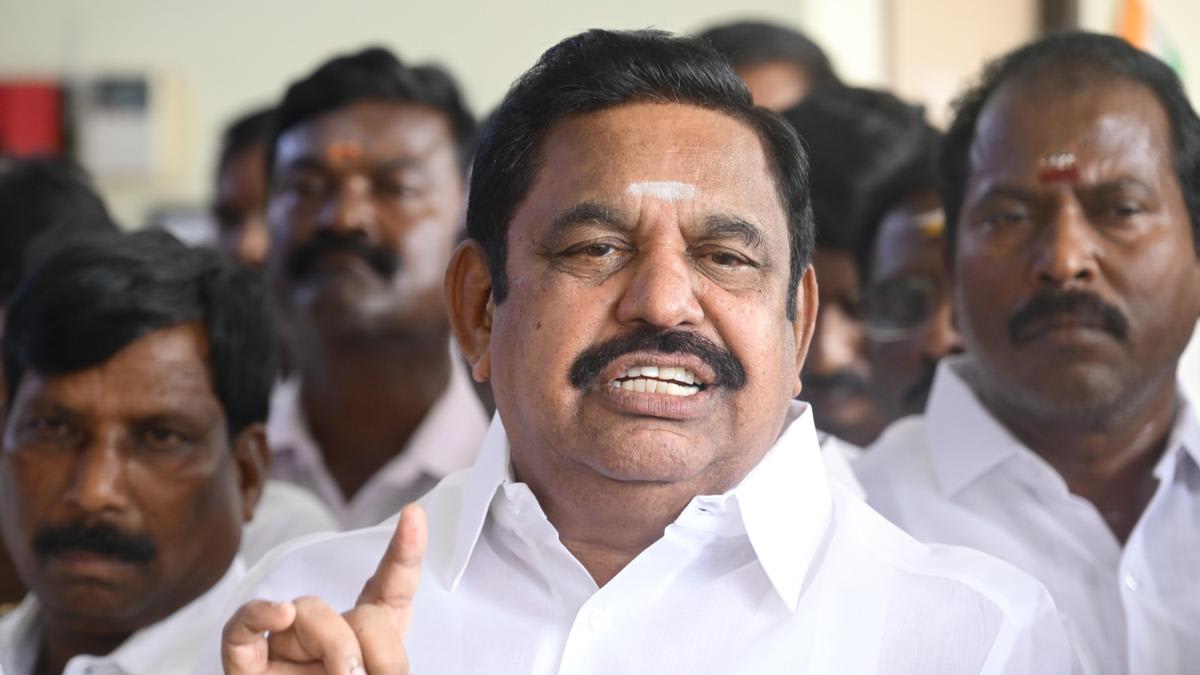
AIADMK leader Edappadi K. Palaniswami has criticized the TVK-led Tamil Nadu government for failing to protect the state's long-standing Cauvery water rights. He urged the administration to resume inclusive all-party consultations to address the ongoing dispute.
Political Tensions Rise Over Cauvery Water Rights
On August 3, 2026, AIADMK general secretary Edappadi K. Palaniswami voiced strong opposition toward the current Tamilaga Vettri Kazhagam (TVK)-led government in Tamil Nadu. His critique centers on the alleged failure of the administration to safeguard the state’s legally secured 'permanent solution' regarding the long-standing Cauvery water dispute. This public rebuke occurred during a commemorative event at the statue of freedom fighter Dheeran Chinnamalai in Chennai, marking a significant escalation in regional political discourse.
The Historical Context of the Cauvery Dispute
The Cauvery water sharing issue has remained one of the most volatile interstate challenges in Southern India for decades. Palaniswami emphasized that the 'permanent solution' referenced in his critique was achieved during his tenure as Chief Minister. By highlighting this, he is positioning the AIADMK as the primary architect of the state's current legal standing in the Supreme Court and the Cauvery Water Disputes Tribunal. This narrative serves to underscore the legacy of his party in managing critical natural resources that are essential for the survival of the state’s agricultural sector.
The Call for All-Party Consultations
A core component of Palaniswami’s argument is the abandonment of the collaborative governance model that previously defined the state's approach to the Cauvery and Mekedatu issues. He noted that historically, both AIADMK and DMK governments prioritized convening all-party meetings and engaging with farmers' associations before taking major policy steps. He argues that the current government’s failure to maintain this inclusive dialogue undermines the collective strength of Tamil Nadu in negotiations with neighboring Karnataka and the central government.
Implications for Governance and Agriculture
The Mekedatu dam project remains a contentious focal point that threatens the water flow into Tamil Nadu, directly impacting the livelihoods of farmers in the delta regions. Palaniswami’s criticism suggests that by operating in isolation, the TVK-led government is losing the strategic advantage of a unified front. The lack of consultation is being framed not just as a procedural oversight, but as a direct threat to the agricultural stability of the state.
Future Trends and Political Fallout
Looking ahead, this demand for transparency and inclusive policy-making is likely to become a central pillar of the opposition’s campaign against the TVK administration. If the government continues to bypass formal consultations with stakeholders, it risks alienating the powerful farmers' lobby, which has historically held significant sway in Tamil Nadu’s electoral outcomes. The pressure on the government to convene an all-party meeting will likely intensify as water scarcity concerns persist, forcing the administration to either pivot toward collaboration or defend its independent stance against mounting public and political scrutiny.
Verification Required?