Post office savings stuck for 3 years, 60-year-old woman wins Rs 1.15 lakh payout
Source Entity
Vineet Upadhyay
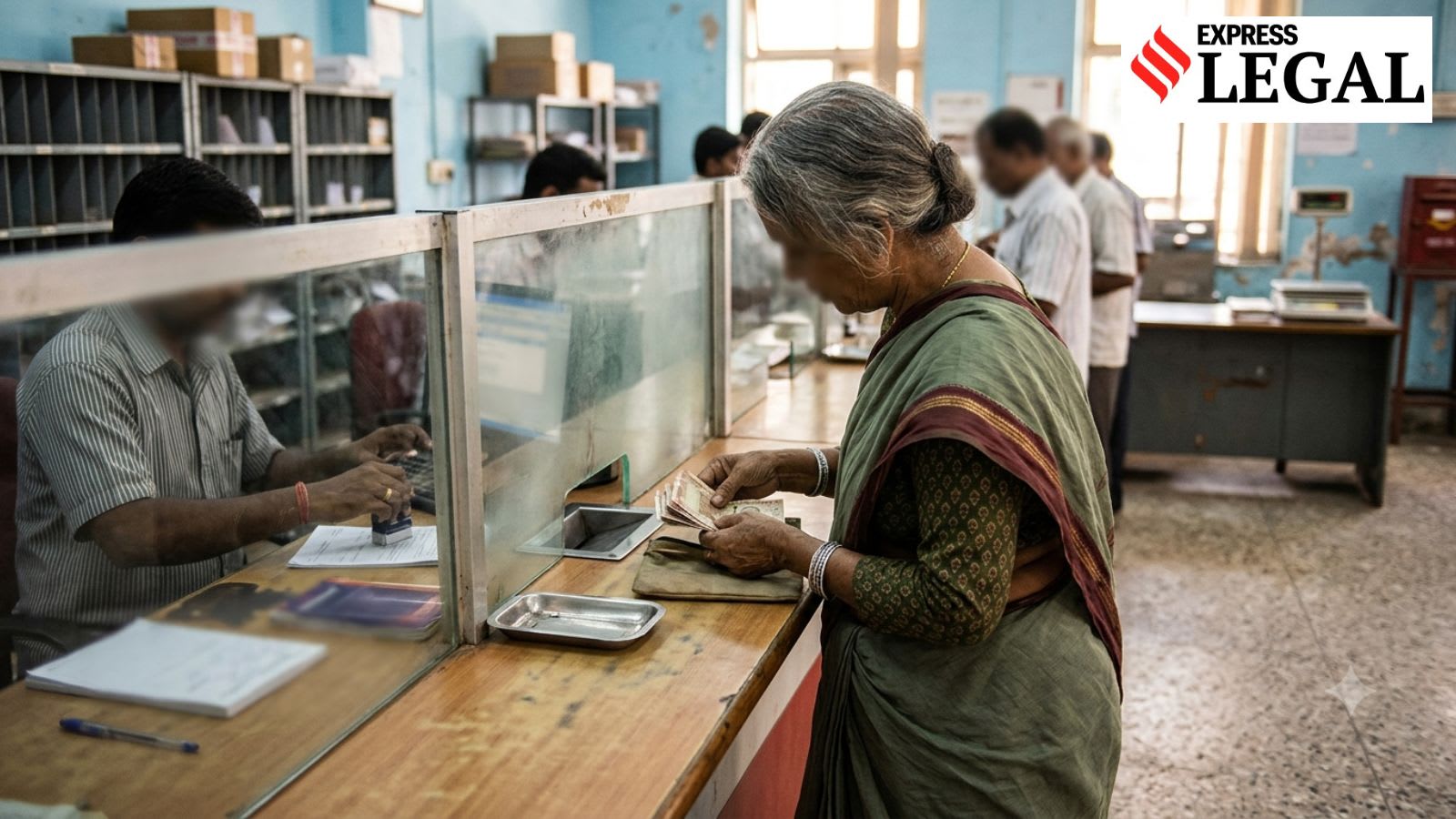
Two recent consumer commission rulings have ordered the Postal Department and LIC to compensate individuals for systemic service failures. These cases highlight the critical role of consumer protection forums in holding large institutions accountable for administrative negligence and unfair claim denials.
Consumer Justice Prevails in Landmark Rulings
In two significant developments, consumer commissions in India have delivered justice to individuals facing systemic institutional failures. The first case involves a 60-year-old woman in Karnataka who faced a three-year ordeal after depositing Rs 1 lakh into a Senior Citizens’ Savings Scheme (SCSS). Despite her investment, she received neither a certificate nor a passbook, eventually discovering that the postmaster had misappropriated the funds. The Gadag District Consumer Disputes Redressal Commission has now ordered the postal department to compensate her with Rs 1.15 lakh, holding the department vicariously liable for the actions of its employee.
Accountability in Public Institutions
The misappropriation of funds by a postmaster highlights a critical vulnerability in rural banking and postal services. When an official entrusted with public money absconds, the burden of loss should not fall upon the depositor, especially a senior citizen relying on government-backed schemes. By ruling against the postal department, the commission has reinforced the principle that government entities are responsible for the integrity of their staff and the security of the public's savings.
The Battle Against Arbitrary Insurance Denials
Parallel to the postal case, the Madhya Pradesh State Consumer Commission ruled against the Life Insurance Corporation of India (LIC) in a protracted 13-year legal battle. The widow of a policyholder, Asha Devi Sheetalani, was initially denied a Rs 3 lakh claim based on alleged concealment of pre-existing conditions like diabetes and hypertension. However, the commission found that the documents used by LIC to deny the claim were dated months after the policyholder’s death, rendering the insurer's evidence invalid.
The Role of Consumer Commissions
These rulings underscore the vital importance of the District and State Consumer Disputes Redressal Commissions. For many citizens, these forums serve as the final line of defense against bureaucratic apathy and corporate overreach. Without such legal intervention, individuals like Lalitha or Asha Devi would be left without recourse against powerful state-run institutions that often rely on long, exhausting litigation to deter claimants.
Broader Implications for Financial Services
These cases serve as a sobering reminder of the necessity for transparency and administrative rigor in financial institutions. Whether it is the Post Office or the LIC, the reliance on outdated documentation or lack of internal oversight can cause irreparable financial and emotional distress to families. Moving forward, these verdicts may pressure these institutions to digitize records more effectively and implement stricter anti-fraud measures to prevent such lapses in the future.
Conclusion
Ultimately, the judiciary’s firm stance in these matters protects the trust that the Indian public places in government-backed financial instruments. By upholding the rights of the consumer over the procedural defenses of large institutions, these commissions have sent a clear message: administrative negligence and unfounded claim rejections will not be tolerated in the face of verifiable injustice.
Multiple Citing Sources