‘Denied full refund’ after Goa-Delhi flight cancelled during Covid, man wins Rs 18,000
Source Entity
Richa Sahay
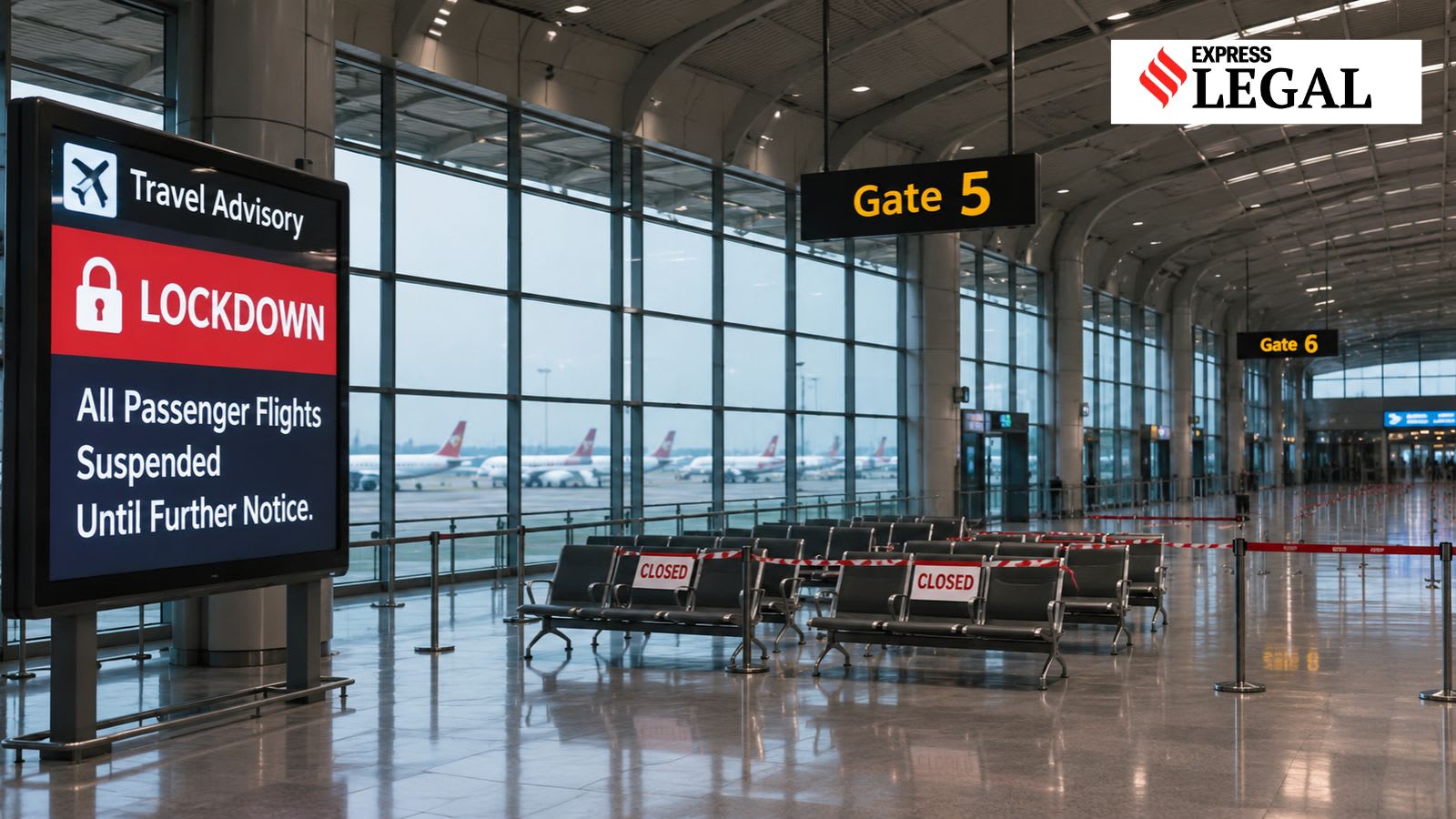
Two separate consumer commission rulings in India have ordered an airline and a coaching institute to refund fees to customers. These cases highlight the growing judicial pushback against unfair deduction practices and service deficiencies in the service sector.
Consumer Justice: A Growing Trend in Indian Dispute Resolution
Recent rulings by consumer commissions in Haryana and Rajasthan underscore a significant shift in the legal landscape regarding the rights of individuals against large service providers. In two distinct cases, authorities have ruled against an airline and a prestigious coaching institute, signaling that businesses can no longer unilaterally withhold funds under the guise of internal policies when those policies lack clear legal or regulatory backing.
The Airline Refund Conflict
In the first instance, a 21-year-old passenger successfully challenged an airline’s decision to withhold a portion of his refund for a flight cancelled during the Covid-19 lockdown. Despite the passenger paying Rs 6,600 for two tickets, the airline only returned Rs 3,150, citing deductions for cancellation and GST. The Rohtak District Consumer Disputes Redressal Commission found this practice indefensible, noting the airline failed to produce any government notification that justified such deductions during the extraordinary circumstances of the pandemic. By awarding Rs 18,150, the commission reinforced the principle that consumer rights are not suspended simply because a business faces operational disruptions.
Accountability in the Education Sector
Parallel to the aviation dispute, a coaching institute in Kota faced legal repercussions for refusing to return an advance fee of Rs 25,000. In this case, the student’s father had formally applied for a refund well before the academic session commenced. The institute's refusal to comply was deemed a 'service deficiency' by the bench, which ordered a full refund plus an additional Rs 15,000 in compensation and legal costs. This ruling serves as a stern warning to educational entities that service contracts cannot be used as tools to trap students into financial commitments for services that were never rendered.
Broader Implications for Service Providers
These cases highlight a critical trend: the increasing scrutiny of 'fine print' policies. For years, companies have relied on arbitrary cancellation charges to protect their bottom lines. However, the judiciary is now prioritizing the spirit of consumer protection over rigid, self-serving corporate policies. The requirement for businesses to provide concrete evidence—such as government circulars or transparent, legally vetted terms—before withholding money is becoming the new standard for dispute resolution.
The Role of Consumer Commissions
Consumer commissions across India are proving to be essential safeguards for the average citizen. By providing a streamlined path for legal recourse, these bodies are ensuring that the cost of litigation does not outweigh the value of the claim. The awarding of compensation and costs in these cases acts as a deterrent, discouraging companies from engaging in 'predatory' refund practices that rely on the consumer’s inability to fight back.
Future Trends and Conclusion
Looking ahead, we can expect a more litigious environment where consumers are increasingly aware of their rights, bolstered by clear precedents set by these commissions. As digital awareness grows, businesses will be forced to adopt more ethical refund policies to avoid the reputational and financial risks associated with consumer court losses. Ultimately, these rulings represent a victory for transparency, ensuring that when services are not provided, the financial burden does not unfairly fall on the consumer.