At stake this COP31: A yardstick for adapting to a warming world
Source Entity
Latest News: Todays Latest News Headlines from India & World | Hindustan Times
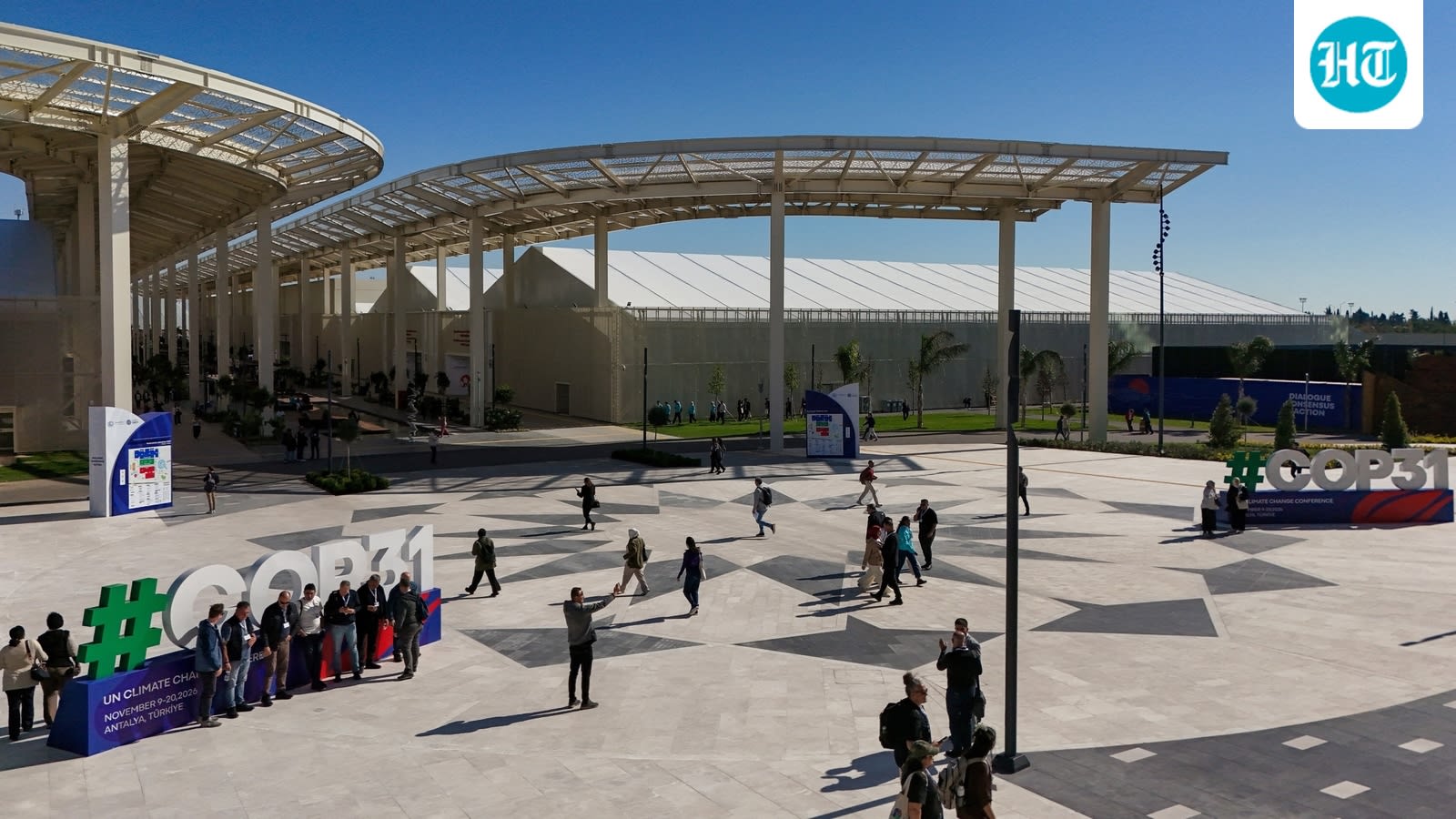
COP31 in Antalya focuses on implementing the 59 Belém adaptation indicators to track progress against climate change. Following the US exit from the Paris Agreement, the summit faces heightened pressure to address climate finance gaps and energy security amidst global conflicts.
The Critical Crossroads of COP31: Implementing Global Adaptation
As the international community gathers in Antalya, Turkey, for the 31st Conference of the Parties (COP31), the climate movement finds itself at a precarious inflection point. Having billed itself as the 'Implementation COP,' this summit follows the foundational work laid at COP30 in Belém, where the 59 'Belém Adaptation Indicators' were formally adopted. These indicators represent a paradigm shift in climate policy, moving the conversation from abstract emission targets to the tangible, practical necessities of surviving a rapidly warming world.
The Necessity of the Belém Indicators
For decades, global climate action was defined almost exclusively by mitigation—the attempt to slow the rate of warming. However, the reality of climate change is no longer a future threat; it is a current crisis. The Belém indicators serve as the first standardized yardstick to measure whether adaptation efforts are genuinely succeeding. By asking fundamental questions—such as whether a rice farmer has heat-resistant seeds or if health centers can withstand 45°C heatwaves—these metrics provide a framework for accountability. If the task force responsible for these indicators fails to launch at COP31, the ability to accurately assess global adaptation progress could be delayed until 2033, effectively leaving vulnerable nations in the dark.
Geopolitical Shifts and the Finance Gap
COP31 is occurring against a backdrop of significant geopolitical volatility. The recent exit of the United States from the Paris Agreement has fundamentally altered the diplomatic landscape, removing the world's largest historical emitter from the primary climate finance dialogue. This departure places an immense burden on Europe and other developed economies to bridge the resulting funding gap. Without the U.S. commitment, the demand from developing nations for robust, reliable financial support to implement adaptation strategies has become more urgent and politically charged.
Energy Security and Global Conflict
The intersection of climate policy and energy security has never been more pronounced. The ongoing war involving Iran has caused a sharp spike in global oil and gas prices, creating a ripple effect that has increased the cost of both fuel and food. This economic pressure complicates the transition away from fossil fuels, as nations struggle to balance immediate energy needs with long-term climate commitments. Advocates for a faster energy transition argue that this crisis should act as a catalyst for renewable adoption, yet the immediate economic pain remains a significant hurdle for policy implementation.
The Shadow of the 1.5°C Threshold
While COP30 made progress on finance and the transition away from fossil fuels, the summit ultimately fell short of the ambition required to maintain the 1.5°C limit established by the Paris Agreement. In the year since Belém, the global climate outlook has worsened, characterized by increasingly frequent catastrophic floods, record-breaking heat waves, and prolonged droughts. The looming threat of a super El Niño further exacerbates these extreme weather events, rendering the current international commitments increasingly inadequate.
Conclusion: The Stakes of Implementation
The success of COP31 will not be measured by new promises, but by the tangible execution of existing ones. The 'Implementation COP' moniker is a direct acknowledgment that the world can no longer afford the luxury of incrementalism. With the technical mechanisms of the Belém indicators on the table and the global economy under strain from conflict and energy instability, the decisions made in Antalya will determine whether the international community can effectively protect the most vulnerable populations from the inevitable impacts of a warming planet.
Verification Required?