A "disaster waiting to happen"? Industry officials worry about Crew Dragon availability.
Source Entity
Eric Berger
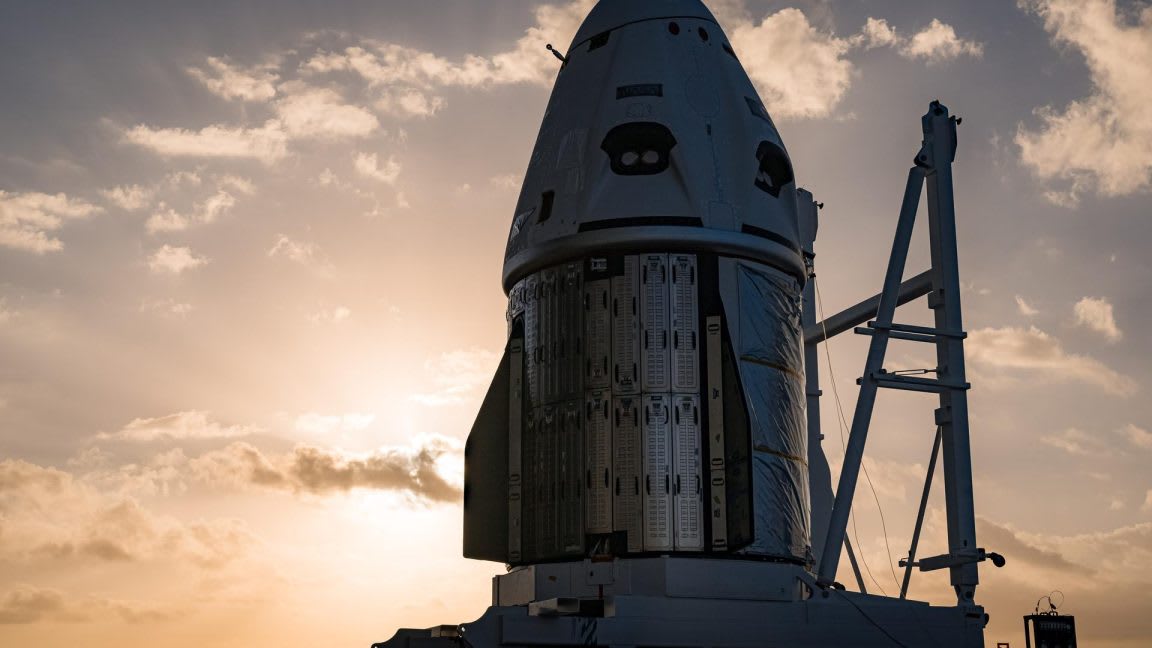
"It's very clear that in the United States there is a big need for an additional crew vehicle."
The Redundancy Crisis in U.S. Human Spaceflight
The recent warnings from industry officials describing the current state of U.S. crewed launch capabilities as a "disaster waiting to happen" highlight a critical vulnerability in the American space architecture. At the heart of this concern is the overwhelming reliance on a single vehicle—the SpaceX Crew Dragon—to maintain a continuous human presence aboard the International Space Station (ISS). While SpaceX has revolutionized access to low Earth orbit (LEO) with unprecedented reliability and cost-efficiency, the absence of a viable, operational alternative creates a dangerous "single-point failure" scenario. If the Crew Dragon fleet were grounded due to a technical anomaly or a catastrophic failure, the U.S. would find itself without a domestic means of rotating crew or performing emergency evacuations.
The Illusion of the Commercial Crew Program
To understand the gravity of this shortage, one must look at the original intent of NASA's Commercial Crew Program (CCP). The program was designed specifically to avoid the monopoly of a single provider, aiming to foster a competitive ecosystem where multiple companies—primarily SpaceX and Boeing—would provide redundant transport options. The goal was to ensure that if one vehicle faced a grounding event, the other could step in to maintain mission continuity. However, the persistent delays and technical setbacks associated with Boeing's Starliner have effectively neutralized this redundancy. Instead of a dual-track system, the U.S. has drifted into a de facto monopoly, leaving the space agency exposed to the risks of relying on one company's hardware and launch cadence.
Historical Context: From Shuttle to Dragon
Historically, the U.S. experienced a similar period of vulnerability during the Space Shuttle era. After the Columbia disaster in 2003, the Shuttle fleet was grounded, leaving the ISS crew stranded and reliant on Russian Soyuz vehicles for rotation and rescue. This period of dependency was a strategic nightmare for NASA, as it surrendered operational autonomy to a foreign power. The current anxiety regarding Crew Dragon availability mirrors those historical fears; although the provider is now a domestic private entity rather than a foreign government, the operational risk remains the same: a lack of diversity in transport options leads to a loss of strategic flexibility and increased risk to astronaut lives.
Systemic Implications for the ISS and Beyond
The implications of this vehicle shortage extend beyond simple logistics. The ISS is an aging facility that requires constant maintenance and a steady rotation of specialized personnel. A prolonged grounding of the Crew Dragon would not only jeopardize the health and mental well-being of the crew currently on orbit but could also force an accelerated and unplanned decommissioning of the station if crew rotations cannot be guaranteed. Furthermore, as NASA pivots toward the Artemis program and the goal of returning humans to the Moon, the lack of a robust, diversified LEO transport system suggests a potential bottleneck in the broader pipeline of human space exploration.
Predicting Future Trends in Crewed Transport
Looking forward, the industry is likely to push for a more aggressive diversification of crewed launch vehicles. We can expect increased pressure on Boeing to stabilize the Starliner program or, alternatively, a shift toward integrating other emerging commercial players into the NASA ecosystem. There is also a growing conversation regarding the role of SpaceX's Starship; while it promises massive capacity, its sheer scale and different operational profile may not satisfy the immediate need for a small-scale, high-frequency "taxi" service to LEO. The long-term trend will likely move toward "Commercial LEO Destinations" (CLDs), where private stations will require a fleet of diverse vehicles to ensure safety and commercial viability.
Summary of the Strategic Gap
In conclusion, the alarm raised by industry officials is a call for systemic resilience. While the success of the Crew Dragon is a triumph of modern engineering, it cannot be the sole pillar of U.S. human spaceflight. The "big need for an additional crew vehicle" is not merely a request for more hardware, but a demand for a safety net. Until the U.S. restores a truly redundant crew transport capability, the mission to maintain a permanent human presence in space remains precariously balanced on a single point of failure.