CVS to split off drugstore business in major breakup of healthcare giant
Source Entity
US Top News and Analysis
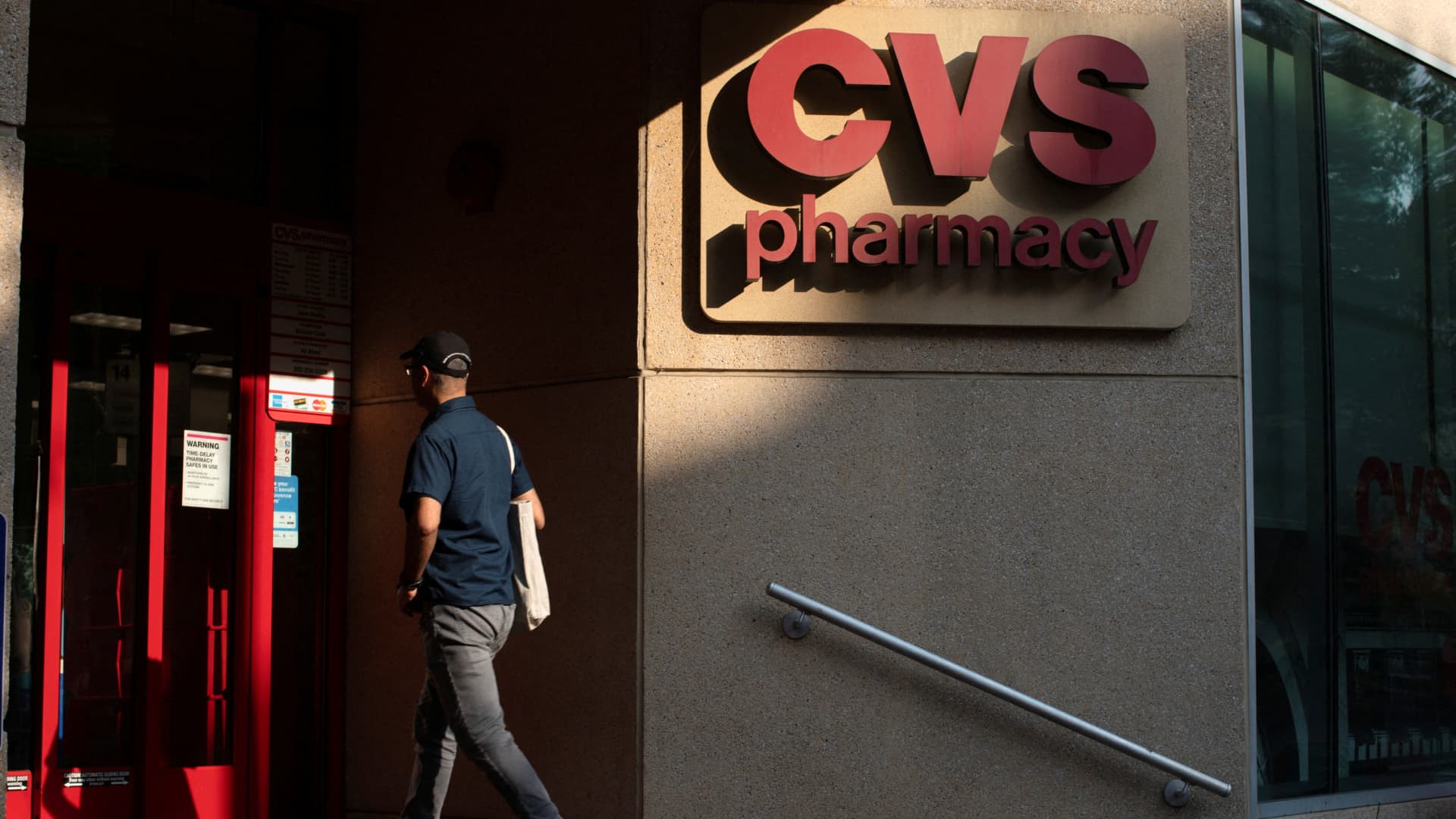
CVS Health has announced a major strategic breakup to split its retail pharmacies from its insurance and pharmacy benefit manager, Caremark, by 2028. This move effectively reverses the company's 2018 acquisition of Aetna, signaling a shift away from the vertically integrated conglomerate model.
The Strategic Dismantling of a Healthcare Giant
CVS Health has officially announced a landmark decision to split its massive healthcare conglomerate into two distinct, publicly traded companies by the first half of 2028. This move marks a significant pivot in corporate strategy, effectively reversing the company's ambitious 2018 acquisition of the insurer Aetna for $78 billion. By separating its 9,000 retail pharmacy locations from its core insurance and pharmacy benefit manager (PBM) arm, Caremark, CVS is dismantling the very foundation of the "one-stop shop" healthcare model it spent the last two decades building.
The End of Vertical Integration
The original vision behind the Aetna acquisition was to create a vertically integrated healthcare powerhouse capable of controlling the entire patient journey—from insurance coverage and drug pricing through Caremark to final medication delivery at retail storefronts. However, the complexity of managing such disparate business models has proven challenging. By separating these units, the board of directors is acknowledging that the synergies once anticipated have not materialized as effectively as expected, leading to a "comprehensive strategic review" that ultimately favored a split to unlock shareholder value.
Evolving Market Perspectives
Interestingly, the market’s reception to this breakup differs significantly from previous years. When CVS first considered a split more than two years ago, analysts were skeptical, viewing the retail pharmacy business as too fragile to operate independently. Today, however, the narrative has shifted. Market experts now suggest that following a rigorous two-year turnaround period, the retail pharmacy segment has matured sufficiently to stand on its own, making the current divestiture plan a far more viable proposition than it was in the past.
The Future of Caremark and Retail
As one of the nation's three largest pharmacy benefit managers, Caremark remains a critical and highly profitable component of the CVS ecosystem. By allowing this entity to operate independently of the retail pharmacy footprint, the new organization may be better positioned to navigate the intense regulatory scrutiny and competitive pressures facing the PBM industry. Simultaneously, the retail business will be forced to refine its operational efficiency and customer value proposition without the direct support of the insurance giant it was previously tethered to.
Broader Implications for Healthcare
This breakup serves as a bellwether for the healthcare industry at large, highlighting the inherent difficulties in maintaining massive, vertically integrated conglomerates. As CVS moves toward 2028, the company is effectively resetting its corporate identity. This transition will likely force other healthcare giants to re-examine their own structures, potentially sparking a wider trend of corporate de-mergers as firms prioritize specialized agility over the broad-scope integration that defined the previous decade of industry consolidation.