CWG closing ceremony to feature Vande Mataram, Indo-Scottish jugalbandi
Source Entity
The Indian Express
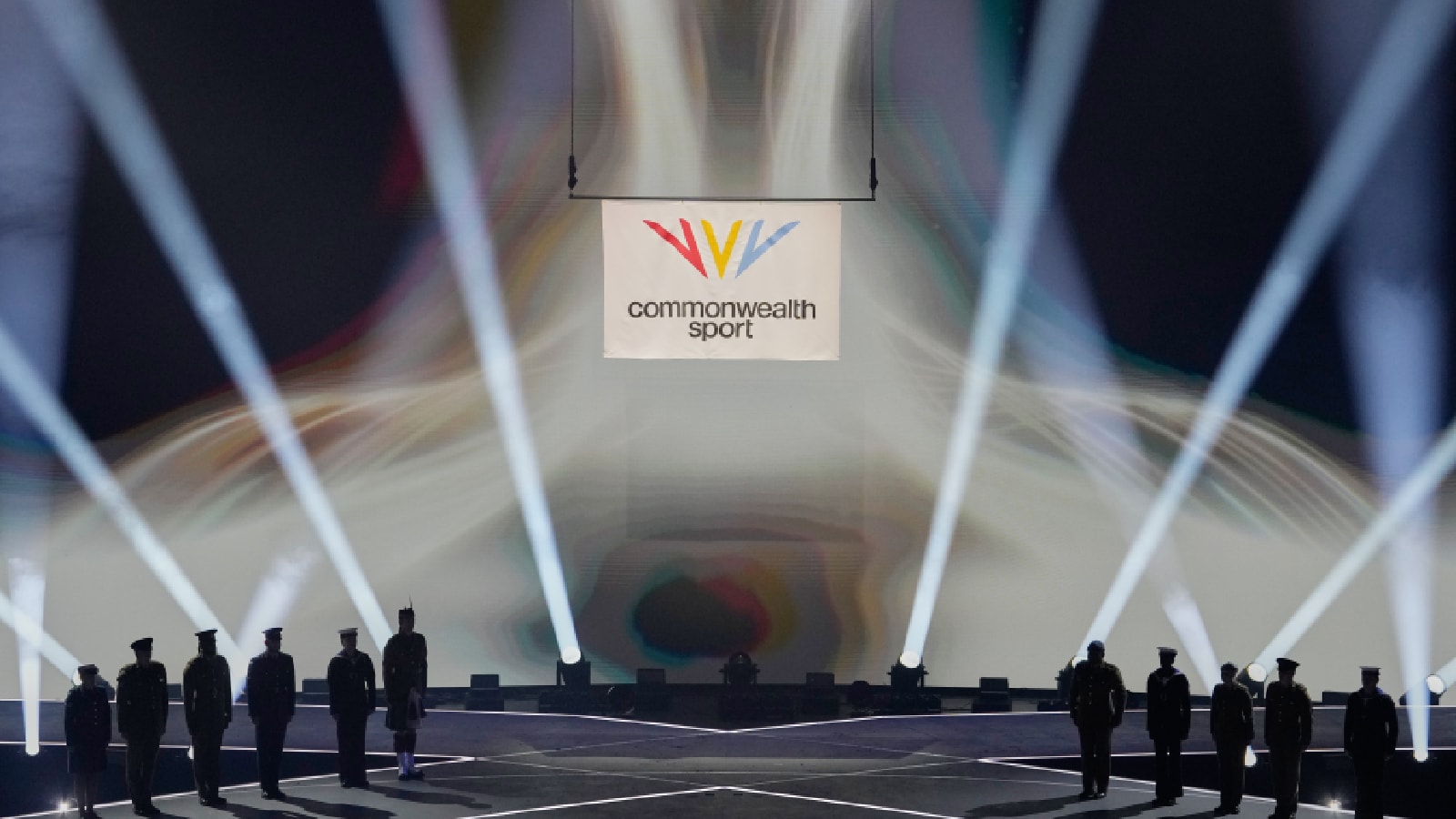
The Glasgow Commonwealth Games closing ceremony will feature a vibrant Indian-themed handover segment, signaling the transition to the 2030 Games in Ahmedabad. The event will showcase a fusion of Indian and Scottish musical traditions and highlight Gujarat's culture through performances by renowned artists.
A Grand Transition: The Glasgow to Amdavad Handover
The closing ceremony of the 2026 Commonwealth Games in Glasgow marks a pivotal moment in the history of the Games, serving as both a finale for Scotland and a formal introduction to the next host nation, India. Staged at the iconic Hydro arena, the handover segment is meticulously designed to bridge the cultural gap between the current host and the future host city, Amdavad (Ahmedabad), which is slated to host the event in 2030.
Cultural Fusion and Artistic Brilliance
Central to the ceremony is a thematic focus on the 150-year legacy of 'Vande Mataram,' which provides the narrative backbone for the performance. The production aims to harmonize diverse artistic expressions, featuring a classical jugalbandi—a traditional duet—between Indian and Scottish musicians. This musical dialogue serves as a symbolic gesture of unity, reflecting the Commonwealth’s ethos of bringing diverse nations together through sport and shared artistic heritage.
The Indian Delegation’s Star Power
The handover segment is set to be a high-production affair, showcasing the vibrancy of Indian performing arts. The lineup includes a wide array of talent, such as actor and former Miss World Manushi Chhillar, who will bring a global perspective to the stage. The musical ensemble is anchored by the Mahadevan family, including Shankar, Siddharth, and Shivam Mahadevan, alongside singer Bhoomi Trivedi, who will lead a concert-style celebration highlighting the cultural richness of Gujarat.
Sitar Virtuosity and Global Representation
Adding a layer of classical depth to the contemporary performances, sitar virtuoso Rishab Rikhiram Sharma is set to perform. His inclusion emphasizes the importance of preserving traditional Indian instrumentation on a global stage, ensuring that the transition to the 2030 Games is rooted in both classical elegance and modern spectacle.
Looking Toward Amdavad 2030
This ceremony is more than a standard handover; it serves as a teaser for the 2030 Commonwealth Games. By focusing on Gujarat's unique cultural identity, the organizing team is laying the groundwork for India’s role as a major sporting hub. The transition signifies India's growing capacity to host large-scale international events, with the Glasgow ceremony acting as the global unveiling of the vision for Amdavad 2030.
Conclusion: A Legacy in the Making
The synthesis of Scottish and Indian traditions at the Hydro arena underscores the enduring spirit of the Commonwealth. As the Commonwealth Sport flag is passed on, the focus shifts from the legacy of the 2026 Games to the future potential of the 2030 edition. Through this celebration, the organizers are not only honoring the past 150 years of cultural history but are also actively curating an inclusive and ambitious future for the Commonwealth movement.