Delhi double-murder: Man shoots 27-year-old, gets killed by victim’s brother
Source Entity
Pragynesh
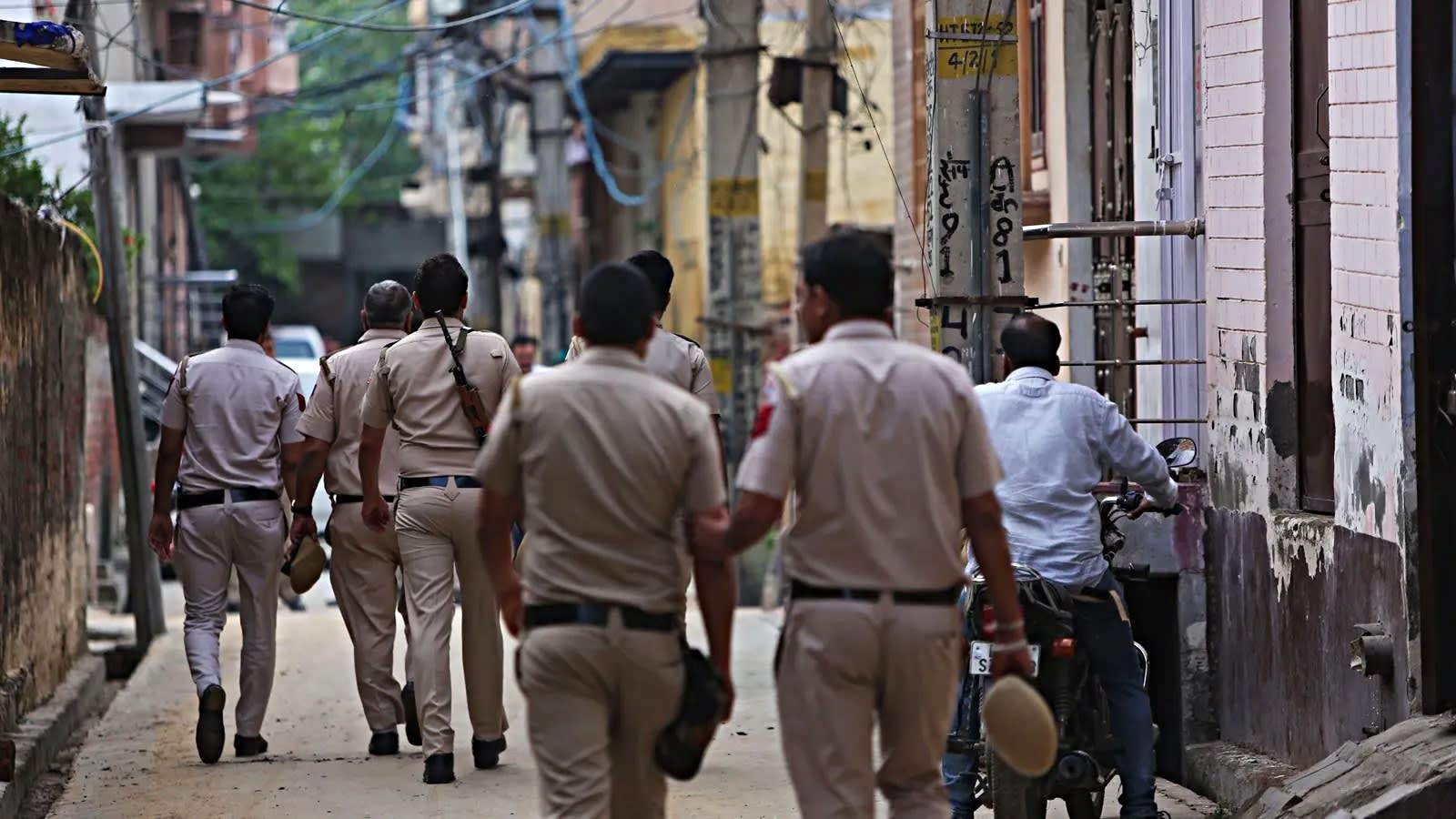
Two separate instances of cyclical, retaliatory violence have emerged in Delhi and Mumbai, highlighting the tragic persistence of long-standing family and personal feuds. In both cases, the pursuit of vengeance has resulted in multiple fatalities within a short timeframe.
The Cycle of Retaliatory Violence: A Deep Dive into Urban Vendettas
Recent reports from Delhi and Mumbai highlight a disturbing trend of cyclical violence, where long-standing personal and familial grudges culminate in lethal retaliation. In Northwest Delhi’s Bawana, a two-year-old humiliation led to a fatal shooting, which was immediately met with a counter-killing by the victim's brother. Similarly, in Mumbai’s Kurla suburb, a single extended family has seen four men murdered over the span of a decade, with perpetrators often originating from within the same kin group.
The Bawana Case: Revenge and Immediate Retribution
In the Bawana incident, the narrative of violence began with a past grievance—a public humiliation involving the victim, Sachin, and his assailant, Sonu. The subsequent murder of Sachin and the immediate arrest of his brother, Naresh, illustrates the volatile nature of localized, non-state justice systems. When individuals feel that traditional legal avenues cannot address perceived slights, the resort to firearms creates an environment where violence becomes an expected, albeit tragic, resolution to social friction.
The Pawar Family: Generational Cycles of Bloodshed
The situation in Mumbai’s Makadwala compound presents a different, more systemic phenomenon: inter-familial blood feuds. With four men from the same extended family killed over ten years, the pattern suggests a deep-rooted conflict that transcends individual incidents. The fact that accused parties often emerge from the same extended family indicates that these murders are not merely random acts of crime, but manifestations of internal power struggles or deep-seated resentment that have spiraled out of control over generations.
Socio-Economic Implications of Localized Feuds
These incidents reflect a broader challenge in urban policing and social cohesion. In both Delhi and Mumbai, the proximity of these events—bodies found 100 meters apart in Bawana, and repeated killings within a three-acre settlement in Kurla—suggests that these conflicts are tightly contained within specific geography. This hyper-local nature makes it difficult for law enforcement to intervene effectively before the cycle of violence escalates to a point of no return.
The Impact of Impunity and Vigilante Justice
There is a profound psychological toll on communities where such violence is normalized. When residents perceive that justice is something to be taken into one's own hands, the role of the state is diminished, leading to a breakdown in public order. The arrest of Naresh in Delhi and the constant police presence at the Pawar residence in Mumbai underscore the reactive nature of current intervention strategies, which struggle to address the root causes of these long-standing animosities.
Future Trends and Conclusion
Looking ahead, the prevention of such cycles requires more than just reactive policing; it demands community-based mediation and intervention programs that can address conflicts before they turn lethal. Without addressing the underlying grievances—whether they are based on past humiliations, property disputes, or familial power dynamics—the pattern of retributive violence is likely to persist. These incidents serve as a stark reminder of how unresolved past conflicts can continuously erode the safety and stability of urban communities.