US and Russia to oppose talks on limiting autonomous weapons
Source Entity
Latest News: Todays Latest News Headlines from India & World | Hindustan Times
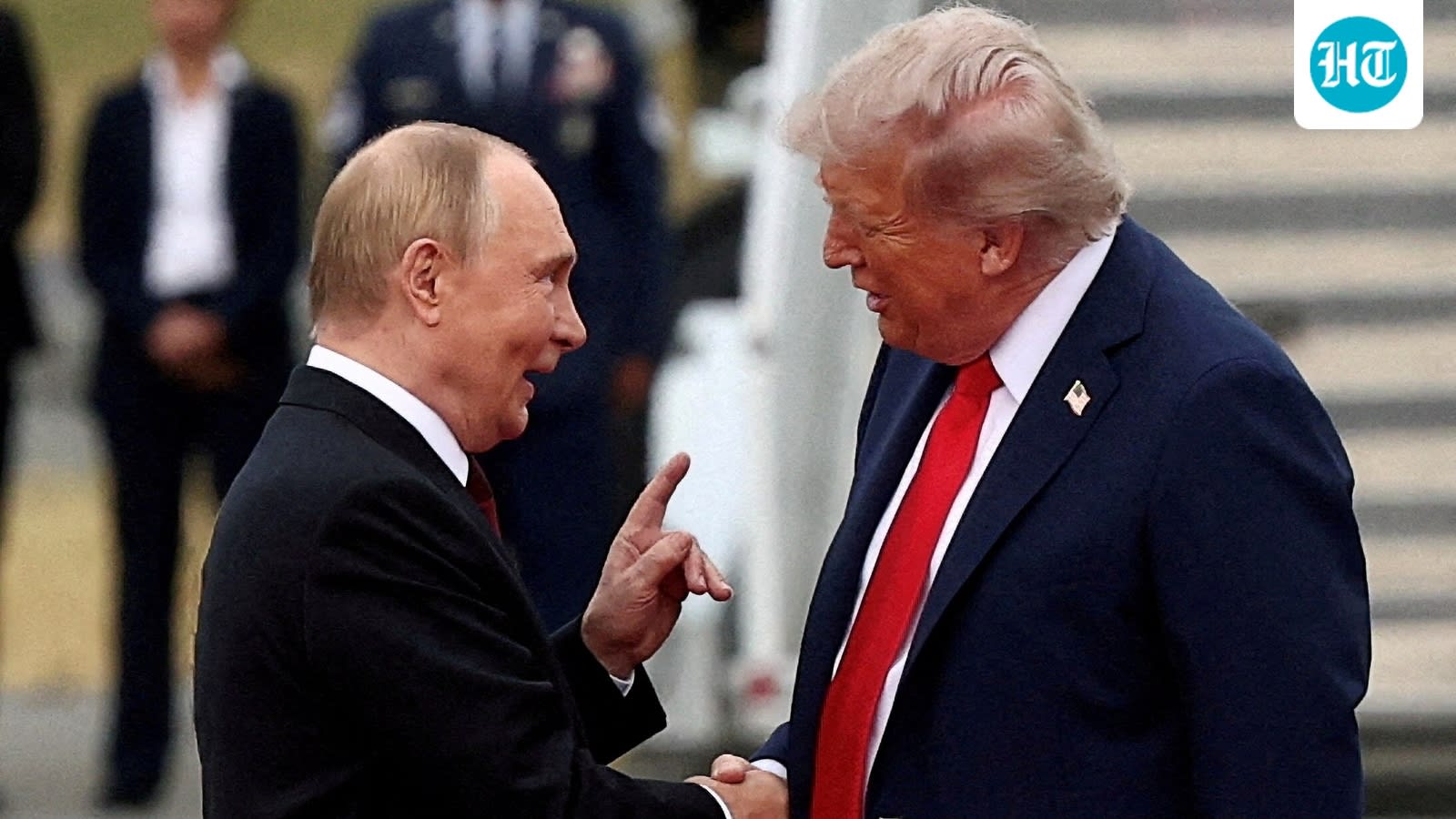
The US and Russia are expected to oppose new legally binding international regulations on lethal autonomous weapons at a UN meeting in Geneva. This opposition highlights growing tensions over the deployment of AI-driven military technology in global conflicts.
The Impasse Over Autonomous Weaponry in Geneva
As delegates convene in Geneva this week under the auspices of the United Nations, the international community faces a critical juncture regarding the future of warfare. The primary agenda item—a potential mandate to begin negotiations on legally binding rules for lethal autonomous weapons (LAWS)—is already meeting significant resistance. With major global powers like the United States and Russia signaling their opposition, the path toward a comprehensive regulatory framework appears increasingly fraught with geopolitical friction.
The Technological Acceleration of Modern Warfare
The push for these negotiations is driven by the rapid evolution of artificial intelligence, which has fundamentally transformed military hardware. We are witnessing the proliferation of sophisticated drones, autonomous tanks, and unmanned submarines capable of selecting and engaging targets without direct human intervention. This technological leap has outpaced the development of international humanitarian law, leaving a vacuum where ethical guidelines and legal prohibitions should exist to prevent the unchecked use of lethal force by machines.
Current Reality: AI on the Battlefield
While policymakers debate the merits of future treaties, the technology is already operational. Recent reports confirm that semi-autonomous and AI-assisted weapon systems have been deployed in active conflict zones, including Ukraine, Sudan, and various theaters across the Middle East. These deployments serve as a grim preview of a future where human decision-making is removed from the kill chain, raising profound questions about accountability, the laws of war, and the potential for unintended escalation.
Geopolitical Barriers to Regulation
The opposition from the United States and Russia suggests that national security interests and the desire to maintain strategic military advantages currently outweigh the collective desire for disarmament. By resisting a legally binding agreement, these nations are essentially prioritizing their ability to innovate and deploy next-generation AI weaponry over the creation of a global standard that might constrain their tactical flexibility. This stance reflects a broader trend of great-power competition, where AI is viewed as the new frontier of military dominance.
Implications for Global Security
If these talks fail to produce a binding mandate, the international community risks a 'Wild West' scenario in military AI development. Without common rules, the barrier to entry for lethal autonomous systems may lower, potentially allowing non-state actors or smaller nations to access technology that could destabilize regional security. The lack of a consensus in Geneva could lead to a fragmented global landscape, where the absence of oversight results in a dangerous, uncontrolled arms race.
Future Outlook and Conclusion
The upcoming deliberations in Geneva will serve as a bellwether for the future of international diplomacy in the age of AI. While rights groups and many smaller nations advocate for strict human control over lethal force, the resistance from major military powers remains the primary obstacle to progress. Unless there is a significant shift in the strategic calculus of the world’s leading arms producers, the international community may be destined to manage the consequences of autonomous warfare rather than preventing its most dangerous manifestations.
Verification Required?