5 Killed In Andhra Pradesh Due To Cyclone Arnab
Source Entity
NDTV News Search Records Found 1000
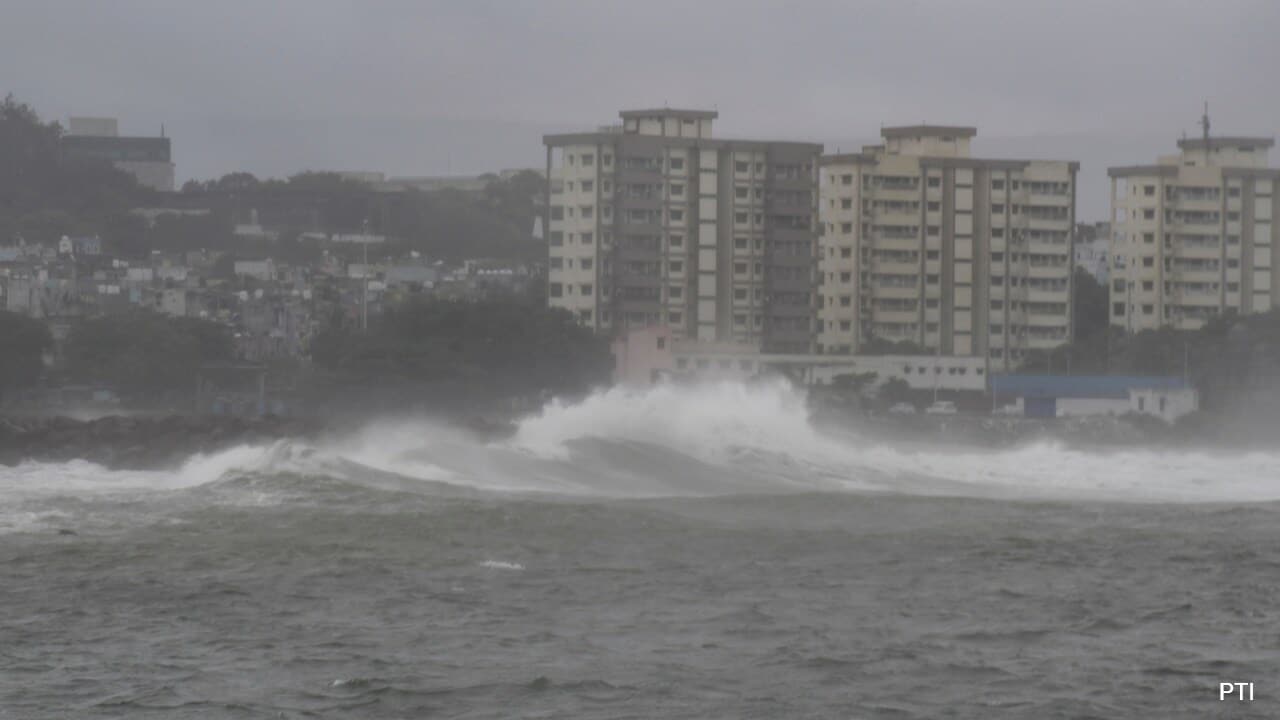
Cyclone Arnab has caused five deaths and widespread destruction in Andhra Pradesh, with landfall expected near Yanam-Kakinada. Authorities have grounded flights, halted trains, and evacuated thousands of fishing boats as Odisha remains on high alert.
The Onset of Cyclone Arnab: A Crisis in Coastal India
The coastal regions of Andhra Pradesh and southern Odisha are currently facing a severe meteorological emergency as 'Cyclone Arnab' approaches the coastline. With the India Meteorological Department (IMD) classifying the system as a 'very severe cyclonic storm,' the region is bracing for the primary impact of high-velocity winds and torrential rain. The situation has already turned tragic, with reports confirming five fatalities in Andhra Pradesh as the state grapples with the initial surge of the storm.
Strategic Preparedness and Infrastructure Shutdown
In a proactive effort to mitigate loss of life, state authorities have initiated massive emergency measures. The logistics of the region have been significantly disrupted, with numerous flight services and train routes canceled to prevent travelers from being caught in the path of the storm. A critical component of the disaster management effort has been the securing of maritime assets, with 30,000 fishing boats being brought ashore to protect the local livelihood and prevent vessels from becoming projectiles during the storm surge.
Meteorological Projections and Landfall Dynamics
The IMD has provided critical updates regarding the storm's trajectory. Initially predicted to make landfall during the forenoon of Wednesday, the system has accelerated, with the window for landfall now narrowed to between 2 a.m. and 4 a.m. on Wednesday, October 28. The impact zone is identified as the area near Yanam-Kakinada. The storm's path has been characterized by intense low-pressure systems developing over the Bay of Bengal, which transitioned from a depression to a deep depression before intensifying into this severe cyclonic storm.
Regional Vulnerability and Administrative Response
Beyond Andhra Pradesh, southern Odisha remains on high alert. The local administration has taken the extreme step of shutting down ghat roads and imposing stringent transport curbs to prevent movement in vulnerable areas. The highest danger signals have been hoisted at the Kakinada port, signifying the extreme risk posed by the expected storm surge. These measures reflect the lessons learned from previous regional weather events, emphasizing the importance of early warnings and rapid evacuations.
Future Trends and Resilience
As the region faces the immediate aftermath, the focus remains on search and rescue operations and the stabilization of essential infrastructure. The intensity of Cyclone Arnab, originating from a low-pressure area that began forming on October 24, highlights the increasing frequency of extreme weather events in the Bay of Bengal. Moving forward, the regional economy will likely face challenges in recovery, particularly in agricultural and fishing sectors, necessitated by the projected 'extremely heavy to heavy' rainfall across the coastal belt through October 29.
Multiple Citing Sources
Verification Required?