Data centers in space could be a new frontier for insurers — if they can price the risk
Source Entity
US Top News and Analysis
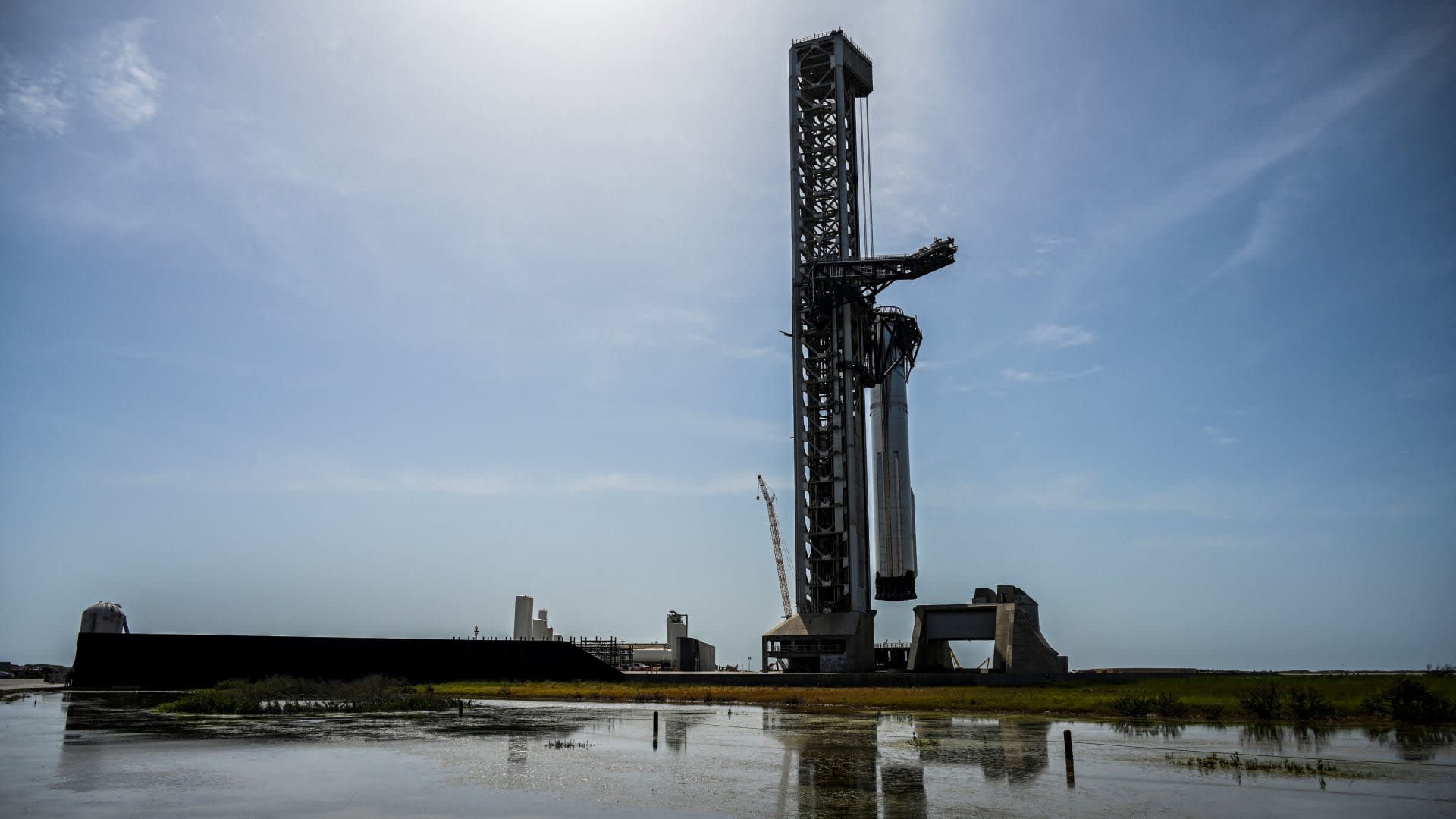
Tech giants are exploring the deployment of AI data centers in low Earth orbit to bypass terrestrial power and cost limitations. Insurers face a significant challenge in quantifying the unprecedented risks associated with this orbital infrastructure.
The Orbital Frontier: Data Centers in Space
The rapid expansion of artificial intelligence and high-performance computing has created an unprecedented demand for data center infrastructure. While terrestrial facilities continue to reshape local power grids and construction markets, industry leaders are increasingly looking upward. The transition of data center architecture into low Earth orbit represents a paradigm shift in how we conceive of global computing capacity, moving from stationary ground-based server farms to dynamic, space-based constellations.
The Vision for Space-Based Computing
SpaceX has emerged as the primary driver of this shift, spearheaded by Elon Musk’s ambitious proposal to the Federal Communications Commission. The company’s vision involves a massive constellation of up to 1 million satellites designed to function as an orbital artificial intelligence data center. The underlying economic logic suggests that as launch costs decrease and the energy requirements for terrestrial data centers become increasingly expensive and difficult to scale, solar-powered orbital computing will become the more cost-effective alternative within a two to three-year timeframe.
Challenges in Risk Assessment
This transition introduces a profound complexity for the insurance industry. Insurers are tasked with the daunting responsibility of pricing risks that have never existed at scale. Unlike terrestrial data centers, which are subject to well-understood physical security and environmental risks, space-based assets face unique threats, including orbital debris, radiation, and the extreme difficulty of maintenance or repair. Insurance firms currently lack the historical data models necessary to accurately underwrite the failure of an orbital AI network, creating a significant barrier to entry for early adopters.
Infrastructure and Economic Implications
The move to orbit is not merely a technological experiment but a strategic response to the rising costs of terrestrial power. As land availability and energy grid capacity become bottlenecks for AI growth on Earth, space offers an abundant, albeit difficult to access, source of solar energy. By utilizing the vacuum of space for cooling and the sun for continuous power, companies aim to circumvent the limitations of the terrestrial energy market, fundamentally altering corporate capital spending strategies.
Future Trends and Market Evolution
Looking forward, the success of these orbital data centers will depend heavily on the evolution of launch economics and satellite longevity. If companies can successfully demonstrate that orbital latency and uptime can compete with terrestrial fiber networks, we may see a migration of high-latency AI workloads to space. However, this shift requires a new framework for international space law and insurance liability, as the concentration of such critical infrastructure in orbit presents systemic risks that go beyond the interests of individual corporations.
Conclusion
In summary, while the move to space-based data centers offers a potential solution to the terrestrial infrastructure crisis, it remains a high-risk endeavor. The ability of the insurance sector to adapt and create viable risk-pricing models will ultimately determine whether this frontier becomes a sustainable reality or remains a speculative ambition. The intersection of satellite technology, AI, and insurance will likely define the next decade of space commercialization.