Spain train crash: How a system failure and red signal led to a deadly collision
Source Entity
SUBHADRA SRIVASTAVA
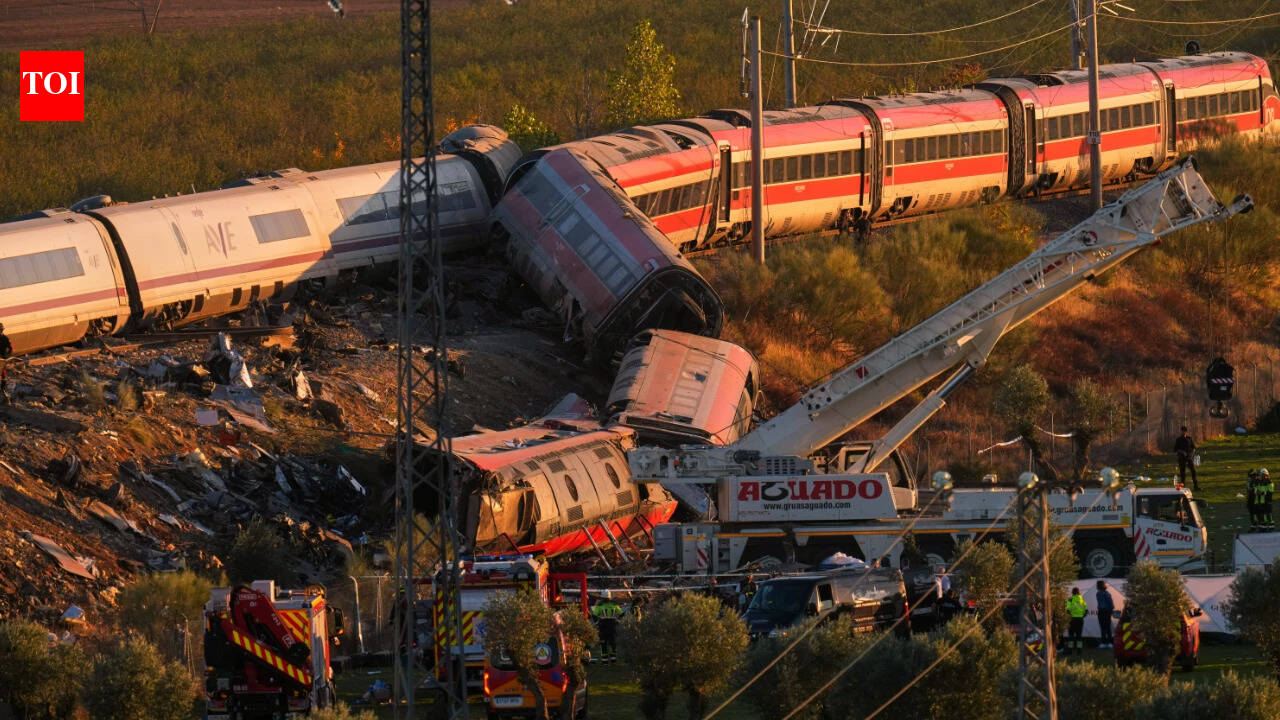
A devastating collision between a Renfe train and an Iryo service in Urda, Spain, has resulted in multiple fatalities and significant derailment. Emergency services remain on-site as rescue operations continue and rail traffic between Madrid and southern Spain is suspended.
Tragedy in Toledo: High-Speed Rail Collision Claims Lives in Urda
On the morning of Wednesday, October 28, 2026, a catastrophic rail accident occurred in the town of Urda, located in the Spanish province of Toledo. Two high-speed trains, one operated by Renfe and another by Iryo, collided on the vital rail corridor connecting Madrid with Ciudad Real and Andalusia. The incident, which took place shortly after 9:15 a.m. local time, has resulted in a significant loss of life and prompted an urgent, large-scale emergency response.
The Mechanics of the Accident
According to reports from the Spanish state broadcaster TVE and infrastructure operator ADIF, the collision involved one train striking the rear of another while both were traveling in the same direction. The impact caused two carriages to derail, leading to immediate destruction and chaos on the tracks. Initial reports indicate that the Renfe service was carrying 397 passengers, while the Iryo service was transporting 147 passengers, placing the total number of individuals involved in the thousands at risk.
Emergency Response and Recovery Efforts
Following the collision, a massive deployment of emergency services was initiated. Firefighters from the Alcazar de San Juan and Orgaz stations, alongside Civil Protection teams from neighboring municipalities, have been working tirelessly at the wreckage site. The medical response has included the dispatch of three air ambulances and two mobile intensive care units to triage and transport the injured. Despite these efforts, the situation remains fluid, with authorities warning that the death toll, currently reported in the double digits, could rise as rescue operations penetrate the derailed carriages.
Operational Impact and Rail Infrastructure
ADIF has officially confirmed the suspension of all rail services on the affected routes. This disruption is particularly severe given the line's status as a critical artery linking the Spanish capital with the southern region of Andalusia. The suspension of these high-speed services creates a significant logistical challenge for thousands of commuters and travelers, necessitating the rerouting of traffic and potentially impacting national travel schedules for the coming days.
The Search for Answers
As the investigation into the cause of the crash begins, attention has turned to the status of the personnel involved. Reports indicate that the driver of the AVE high-speed train remains unaccounted for, sparking an urgent search and rescue mission amidst the debris. The complexity of high-speed rail safety protocols means that investigators will likely focus on signaling systems, potential mechanical failures, or human error as they seek to understand how two trains on the same line could collide with such force.
Broader Implications and Future Trends
This tragedy highlights the persistent vulnerabilities inherent in high-speed rail networks, even those with advanced infrastructure like Spain's. As the nation grapples with this disaster, there will inevitably be a renewed focus on rail safety standards, the integration of automated braking systems, and the management of multi-operator rail lines. This event serves as a somber reminder of the high stakes involved in modern public transportation, ensuring that the findings of the subsequent inquiry will have lasting implications for rail safety policy across Europe.
Multiple Citing Sources