Unmarried rural youth in Maharashtra plan Statewide stir for government help in getting brides
Source Entity
India Latest News: Top National Headlines Today & Breaking News | The Hindu
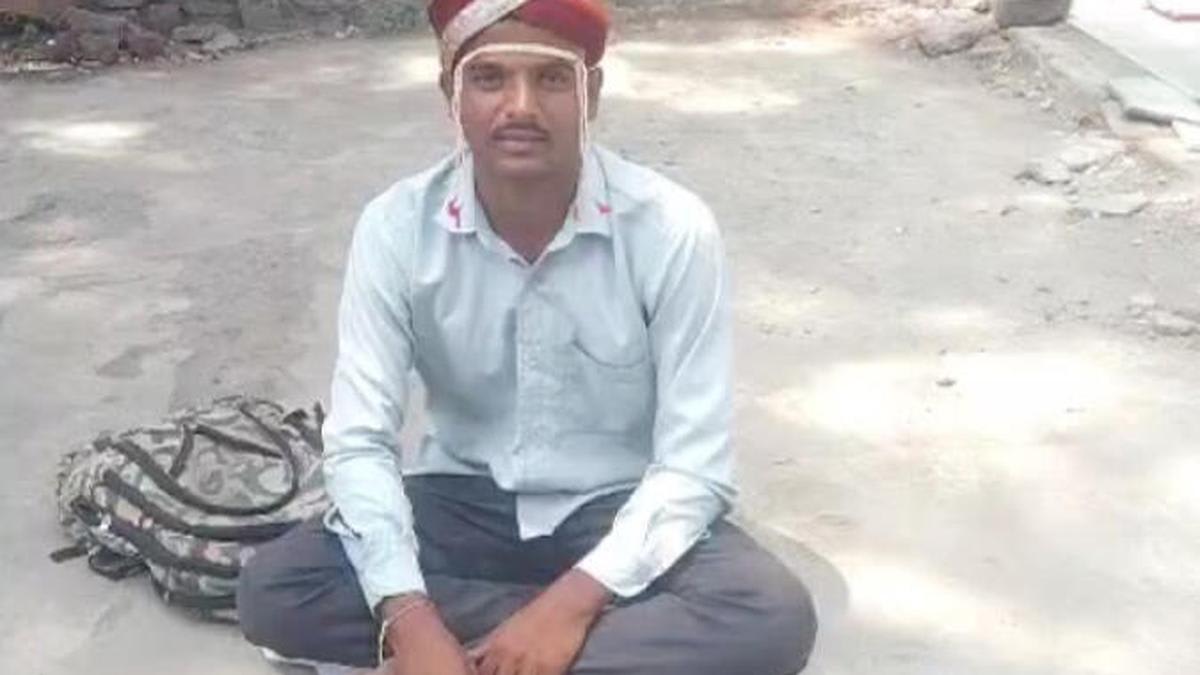
Rural youth in Maharashtra are organizing a statewide protest to demand government intervention in addressing the severe shortage of marriageable brides. Their multifaceted demands include economic support, agricultural price guarantees, and the establishment of a state-backed marriage bureau.
The Social Crisis of Rural Maharashtra: A Fight for Matrimony
In an unprecedented development, unmarried rural youth across Maharashtra are mobilizing for a statewide, and potentially nationwide, agitation. Unlike traditional socio-political movements driven by issues like inflation or corruption, this movement is centered on a deeply personal yet systemic crisis: the inability of rural men to find brides. Led by figures like 28-year-old Kisan Nanaware of Solapur, these young men argue that the demographic imbalance and economic stagnation in rural regions have created a social vacuum that threatens the future of rural families.
Economic Underpinnings of the Marriage Crisis
At the heart of this movement is a complex intersection of economics and social status. The agitators are not merely asking for help in finding partners; they are demanding a comprehensive overhaul of their economic environment. By calling for remunerative prices for farm produce and steady rural employment, these youth are highlighting the fact that agricultural instability is a primary driver of their 'marriageability' crisis. In many rural communities, a stable income derived from farming is a prerequisite for marriage, and the current volatility in the agricultural sector has effectively marginalized many young men from the marriage market.
The Role of State Intervention
One of the most specific demands of this group is the establishment of an all-religion marriage registration bureau under the Social Welfare Department. This request signals a desire for institutional legitimacy and state-assisted matchmaking, moving beyond traditional caste-based or community-based networks that may be failing or exclusionary. By involving the government, these youth are treating the marriage crisis as a public policy issue rather than a private matter, suggesting that the state has an obligation to facilitate social stability as much as economic development.
Historical and Demographic Context
This movement reflects a growing restlessness among Gen Z and millennials in rural areas who feel left behind by urban-centric development. The fear expressed by Mr. Nanaware—that men in their 30s, 40s, and 50s are remaining perpetually unmarried—points to a potential long-term demographic shift. If rural youth cannot establish households, the cycle of rural depopulation may accelerate as younger generations migrate to cities, leaving behind aging bachelors and hollowed-out village economies.
Future Trends and Societal Implications
As this movement gains momentum, it is likely to force a broader conversation about the 'marriage gap' in India. If the government fails to address these demands, we may see an increase in protests that challenge the traditional boundaries of political activism. Furthermore, if the economic demands for better farm pricing and employment are not met, the underlying cause of the marriage crisis will persist, potentially leading to increased social alienation among rural men. This movement serves as a stark reminder that social cohesion is inextricably linked to economic viability.
Verification Required?