Delhi-NCR wakes up to rain; IMD issues yellow alert
Source Entity
YASHIKA BAJAJ
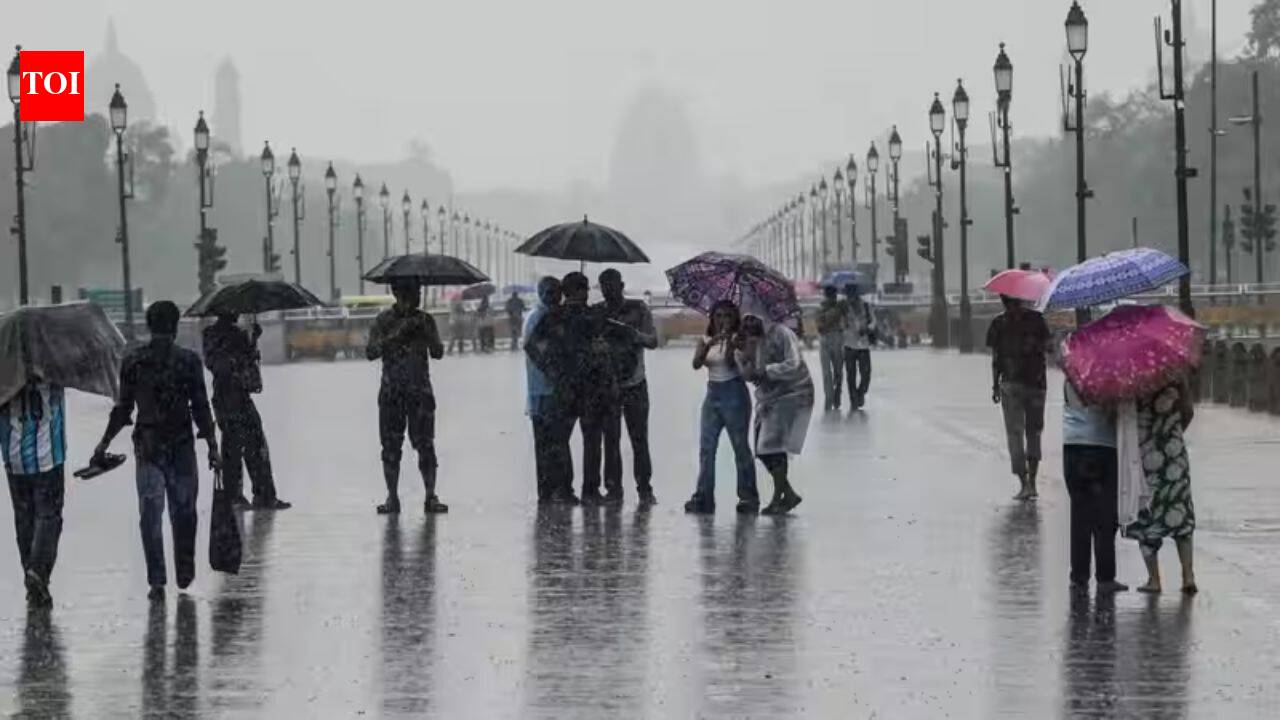
The IMD has issued a yellow alert for Delhi-NCR due to expected rain, thunderstorms, and potential hailstorms. Despite the incoming weather, air quality remains in the 'poor' category with PM2.5 as the primary pollutant.
Weather Shift and Meteorological Alerts in Delhi-NCR
The India Meteorological Department (IMD) has issued a yellow alert for the Delhi-NCR region, signaling a shift in weather patterns characterized by light to moderate rainfall, thunderstorms, and gusty winds reaching speeds of 40-50 kmph. This alert, covering Thursday and Friday, highlights the volatile atmospheric conditions currently affecting the national capital and surrounding areas, including Haryana and Chandigarh. The forecast also warns of isolated hailstorms, necessitating heightened caution among residents as these weather phenomena can disrupt daily life and transit.
Temperature Fluctuations and Climate Context
Recent meteorological data indicates a notable deviation in temperature trends. Safdarjung, the city’s base station, recorded a minimum temperature of 19.2°C, which sits 3.1 degrees above the seasonal norm. This rise is significant, especially considering the 3.5-degree increase observed over a 24-hour period. While the current maximum temperature is expected to settle around 27°C, the recent peak of 31.8°C on Wednesday suggests that the region is experiencing unseasonably warm conditions prior to the onset of these rains, reflecting the complex interplay between local weather systems and broader climatic variations.
The Lingering Challenge of Air Quality
Despite the expectation of rain, which often helps settle particulate matter, the air quality in Delhi-NCR has remained stubbornly in the 'poor' category. As of 9:05 AM, the overall Air Quality Index (AQI) was recorded at 228, with the Central Pollution Control Board identifying PM2.5 as the primary pollutant. While 19 monitoring stations reported moderate air quality, the fact that three stations still registered 'very poor' air highlights the persistent environmental challenge facing the region, where weather-driven ventilation is not yet sufficient to mitigate pollution levels.
Regional Meteorological Variations
There is a distinct variance in temperature across different monitoring stations in the capital. Ayanagar emerged as the coolest station, recording a minimum temperature of 17.4°C, whereas Palam reported 17.7°C. These subtle differences underscore how urban heat islands and geographical positioning within the NCR influence local weather outcomes. The IMD’s focus on gusty winds—ranging from 30 to 50 kmph—suggests that the atmospheric instability is widespread, potentially impacting visibility and safety during the morning hours.
Future Trends and Public Safety
Looking ahead, the combination of rainfall and wind is a critical factor for the region. While rain typically provides a reprieve from pollution, the current 'poor' AQI levels serve as a reminder that systemic air quality issues in Delhi require more than just seasonal weather changes. Residents are advised to monitor IMD updates closely, particularly regarding the potential for hailstorms and lightning, which pose risks to outdoor activities. As the region navigates this transitional weather phase, the interplay between incoming precipitation and lingering pollutants will continue to be a focal point for both public health and meteorological monitoring.