Jantar Mantar to be prime venue for India Biennale
Source Entity
AMBIKA PANDIT
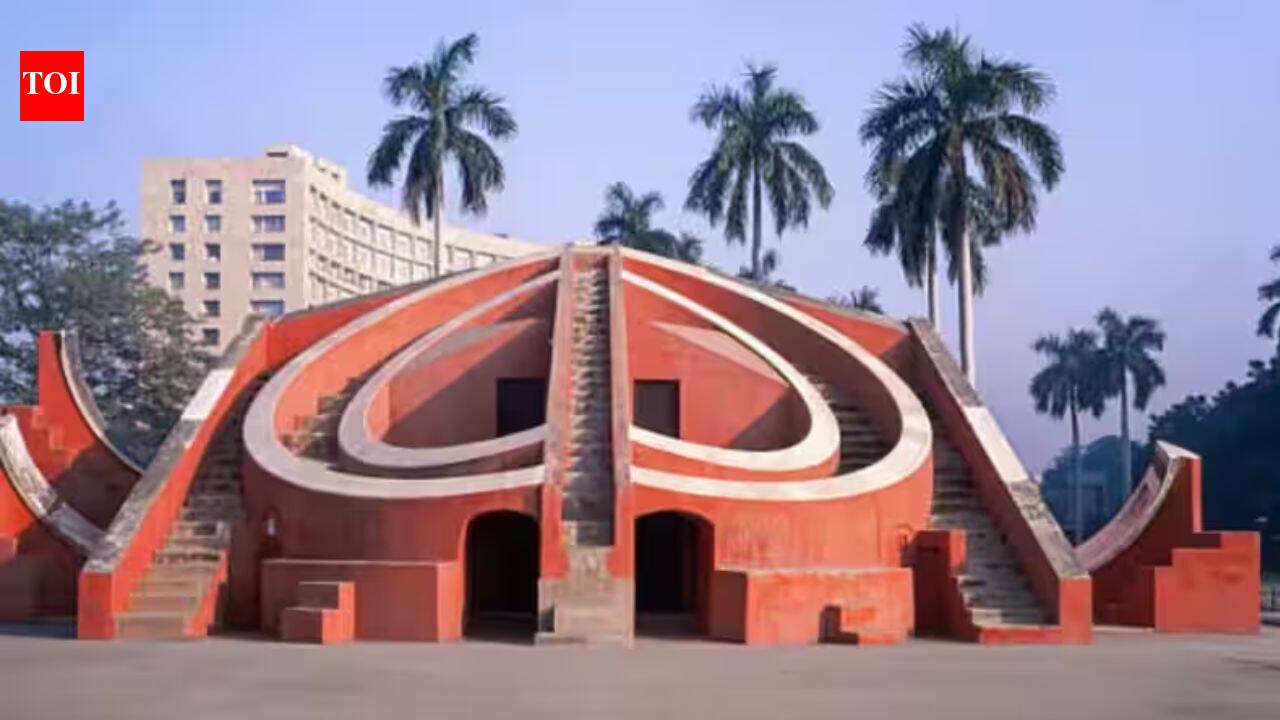
The India Biennale 2026 will feature Jantar Mantar as a key venue following its recent denotification as a protest site. The 108-day event aims to showcase global art and architecture across multiple historic landmarks in Delhi.
A New Chapter for Jantar Mantar: The India Biennale 2026
The announcement that the 18th-century Jantar Mantar observatory will serve as a primary venue for the India Biennale 2026 marks a significant shift in the site's public utility. Historically recognized as a space for civic dissent, the recent decision by the Centre to denotify the area around Jantar Mantar as a protest site has paved the way for its cultural transformation. This transition from a hub of political agitation to a stage for global artistic discourse underscores a broader governmental strategy to reclaim historic monuments for heritage-led public engagement.
Scaling Ambition: From Red Fort to a City-Wide Stage
While the first edition of the India Art, Architecture and Design Biennale was hosted at the Red Fort in 2023, the 2026 iteration represents a quantum leap in scope. According to Vivek Aggarwal, Secretary of the Ministry of Culture, the vision for 2026 is to transform the entirety of Delhi into a living gallery. By expanding the footprint to include 18 other iconic locations—such as the Qutub Minar, Lodhi Gardens, and Agrasen ki Baoli—the Ministry is attempting to weave a narrative that bridges India's ancient architectural prowess with contemporary design dialogues.
The Historical Significance of Jantar Mantar
Jantar Mantar, built by Maharaja Jai Singh II of Jaipur in the early 18th century, remains one of the most sophisticated astronomical observatories of the pre-modern era. By integrating such a site into the Biennale, the event organizers are positioning India’s scientific and architectural heritage as a central pillar of the nation's soft power. This curation aims to elevate the Biennale beyond a standard exhibition, turning it into a site-specific dialogue between historic astronomical precision and modern artistic expression.
Global Participation and Cultural Diplomacy
With nine countries already confirmed to participate, the India Biennale 2026 is clearly positioning itself as an international benchmark for cultural exchange. The participation of global delegations signifies that the event is being treated as a major diplomatic tool, designed to showcase India’s cultural infrastructure to the world. This international dimension is essential for the Ministry's goal of establishing a long-term, high-impact platform that rivals established global art fairs.
Future Trends in Heritage Management
The 108-day duration of the event, running from December 4 to March 21, suggests a long-term commitment to sustained cultural tourism. By utilizing these protected monuments as active exhibition spaces, the government is testing a new model of heritage management where public access is prioritized through cultural curation rather than just passive preservation. If successful, this model could become the blueprint for how India manages its vast network of protected monuments, balancing conservation with the need for vibrant, modern engagement.
Conclusion
The inclusion of Jantar Mantar in the India Biennale 2026 is more than a logistical update; it is a symbolic pivot in how the state views its public spaces. By transitioning from a site of political protest to an international hub for design and architecture, the government is attempting to redefine the identity of these landmarks. As the capital prepares for this massive 108-day exhibition, the success of the Biennale will likely determine the future role of India's heritage sites in the global cultural economy.