Trump warns Gulf states to prepare for ‘possible short, intense renewal of Iran war’ after US midterms: Report
Source Entity
The Indian Express
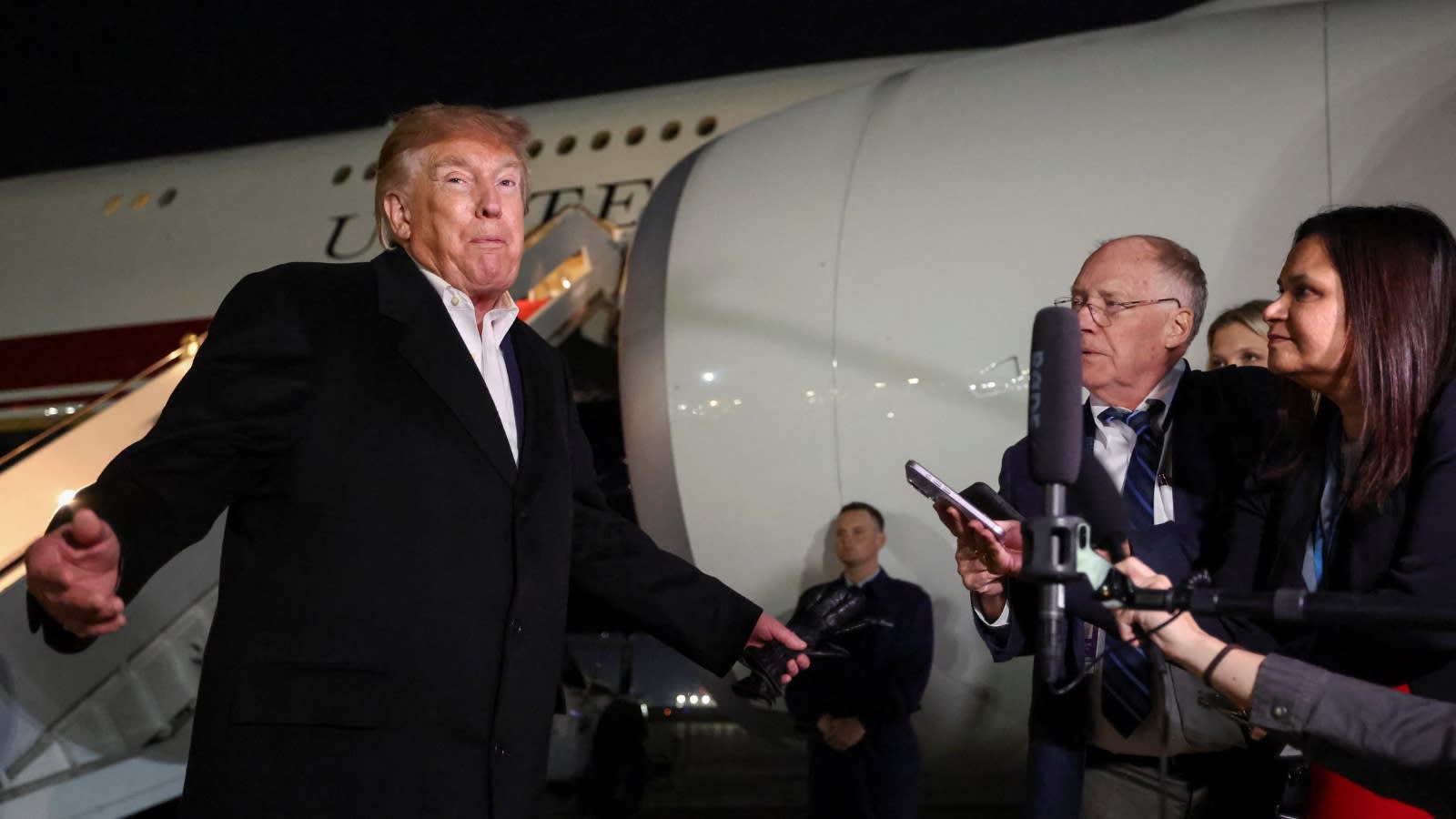
US forces are reportedly prepared to launch significant military strikes against Iran following the November midterm elections. Reports suggest a shift toward more intense operations, with diplomatic warnings issued to Gulf states regarding a potential short-term escalation.
The Prospect of Escalation: US-Iran Tensions Post-Midterms
Recent reports indicate that the United States is actively preparing for a potential renewal of military operations against Iran in the wake of the November midterm elections. According to information sourced from CNN and The Wall Street Journal, the U.S. military has ensured that sufficient forces are already positioned within the Middle East to initiate a "big effort" within 96 hours of receiving authorization from President Donald Trump. This development marks a significant departure from previous tactical approaches, which focused primarily on limited infrastructure targets.
Strategic Shifts in Military Posture
The current operational planning suggests a move away from the incremental strikes that characterized earlier periods of the year. Officials have indicated that the proposed campaign would be more intense, aiming to substantially degrade Tehran’s capabilities rather than simply targeting assets that can be rapidly reconstituted. To facilitate this shift, the U.S. has moved troops away from vulnerable base locations and is actively reinforcing missile defense capabilities, including the deployment of a Patriot battery from Texas. These logistical adjustments signal a serious commitment to a heightened state of military readiness.
Diplomatic Communications and Regional Impact
Beyond military maneuvers, the U.S. has engaged in direct communication with several Gulf Arab nations. These diplomatic and military channels have been used to warn regional partners to prepare for a possible "short, intense renewal of the Iran war." Such outreach suggests that the administration is not only readying its own forces but is also attempting to manage the regional fallout and potential retaliatory risks that such an escalation could pose to neighboring states.
The Role of Domestic and Geopolitical Timing
The timing of these potential operations, linked specifically to the post-midterm election period, underscores the intersection of domestic political cycles and foreign policy strategy. By signaling that forces are ready to mobilize within four days of a presidential nod, the administration is creating a clear window for action that bypasses the immediate political pressures of the campaign season. This suggests a calculated approach to regional security that prioritizes operational flexibility following the conclusion of domestic electoral processes.
Strategic Objectives and Future Trends
The overarching goal, as described by officials, appears to be an attempt to pressure Iran into a position of weakness, thereby forcing a return to the negotiating table under terms more favorable to the U.S. and its regional allies like Israel. However, this strategy carries the inherent risk of a major regional escalation. Future trends will likely depend on whether this "big effort" achieves its objective of degrading Iranian strength or if it triggers a wider, more volatile conflict that tests the limits of U.S. and regional defense systems. The situation remains fluid, with the primary variable being the specific authorization and scope of the military actions once the midterm elections have concluded.