Delhi’s Air Turns Hazardous? Poor AQI Recorded Across The Capital | HT India
Source Entity
Latest News: Todays Latest News Headlines from India & World | Hindustan Times | Hindustan Times
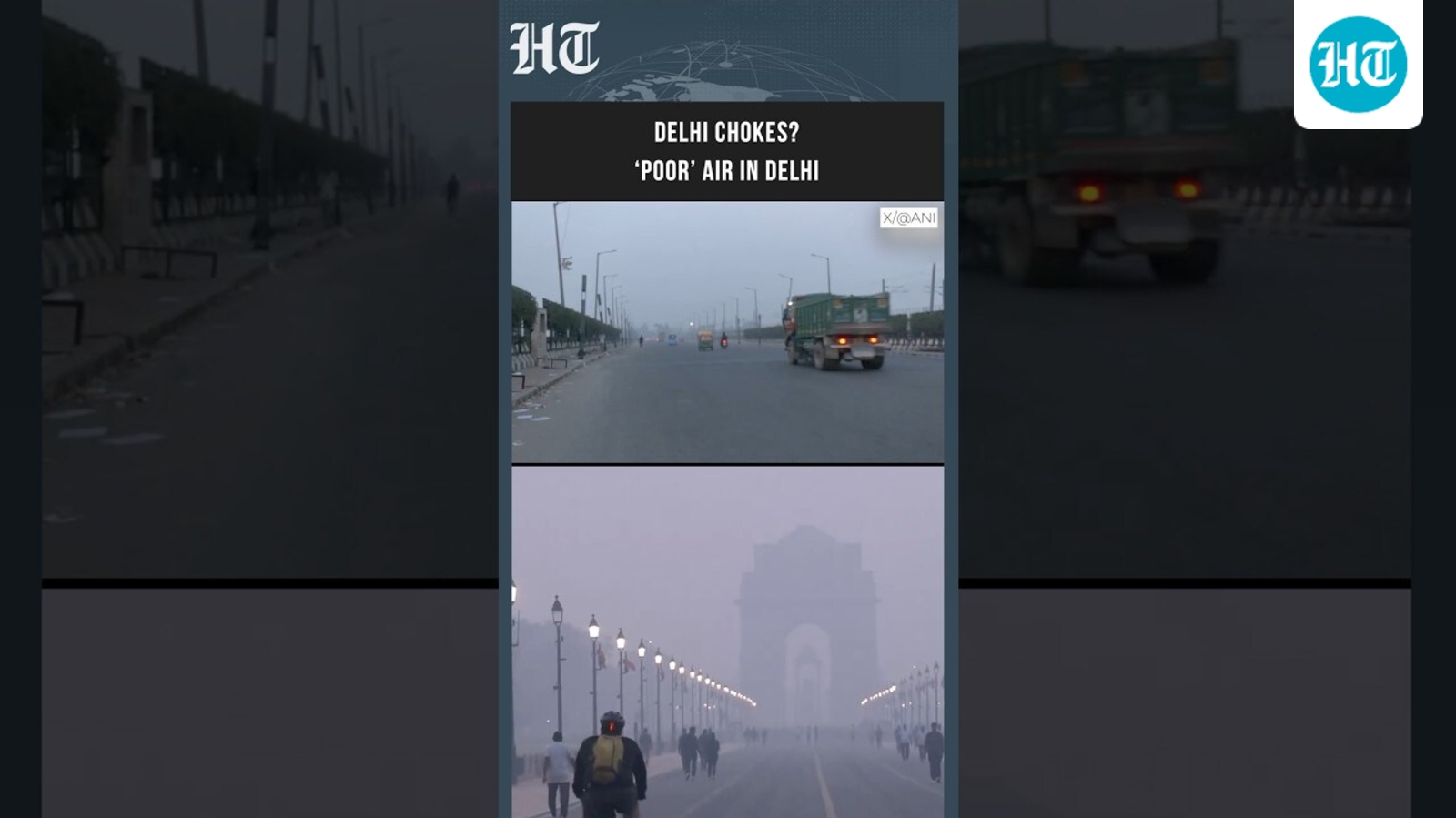
Delhi is experiencing a significant decline in air quality, with AQI levels reaching the 'poor' category. Authorities are urging residents to take precautions due to potential health risks for vulnerable populations.
The Deteriorating State of Delhi's Air Quality
Delhi, the national capital, is once again grappling with a severe environmental challenge as the Air Quality Index (AQI) has officially slipped into the 'poor' category. This seasonal degradation of air quality is a recurring issue that impacts the daily lives of millions, transforming the city's atmosphere into a health hazard. The current reports confirm that the decline is widespread across the capital, signaling an urgent need for public awareness and proactive safety measures.
Understanding the Health Implications
The classification of air quality as 'poor' is not merely a statistical concern but a direct threat to public health. According to medical experts and official environmental data, this level of pollution is known to cause significant breathing discomfort. The impact is disproportionately felt by vulnerable demographics, specifically children, whose respiratory systems are still developing, and older adults, who may already be managing underlying health complications. For those with pre-existing respiratory conditions, the current atmospheric state poses a heightened risk of exacerbation.
The Seasonal Nature of the Crisis
Delhi’s struggle with air pollution is deeply tied to seasonal cycles. As the meteorological conditions shift, the city often experiences stagnant air, which traps pollutants near the ground level. This recurring phenomenon exacerbates the concentration of particulate matter, leading to the hazardous conditions currently observed. Understanding this cycle is essential for residents to anticipate these periods of poor air quality and adjust their outdoor activities accordingly.
Precautionary Measures and Public Guidance
In response to the deteriorating conditions, health officials and environmental agencies have emphasized the importance of individual vigilance. Residents are strongly advised to stay informed by monitoring official air quality updates through verified government portals. By tracking real-time data, citizens can make informed decisions about when to limit outdoor exposure, use protective masks, or utilize air purification measures within their homes to mitigate the impact of the poor air quality.
Looking Toward Long-Term Awareness
The persistence of 'poor' AQI levels serves as a stark reminder of the broader environmental challenges facing the national capital. While temporary spikes in pollution are often linked to seasonal factors, the cumulative effect of these events necessitates a consistent focus on environmental monitoring. As the city navigates this current period of hazardous air, the collective adherence to health advisories remains the most effective immediate strategy for protecting the well-being of the population.
Verification Required?