Ukraine learns to fight without Starlink as Musk plays politics with satellites
Source Entity
Jeremy Hsu
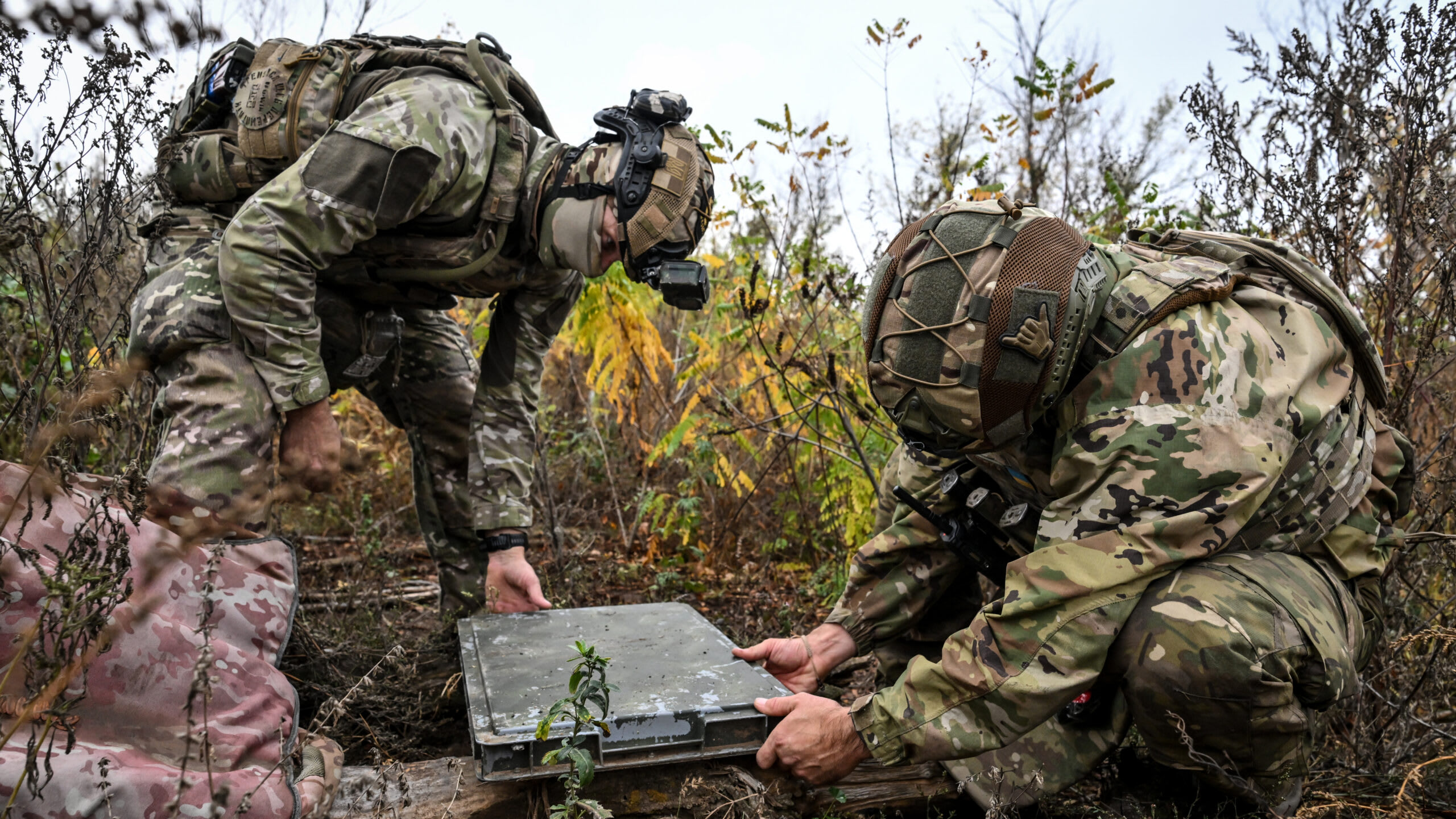
US President Donald Trump claims Elon Musk has restored restricted Starlink access for Ukraine's military. Despite this, President Zelenskyy reports that connectivity speeds remain below normal, indicating ongoing operational challenges.
The Starlink Nexus: Connectivity as a Modern Battlefield Asset
The recent discourse surrounding Starlink’s role in the Ukraine conflict highlights a complex intersection of private technology, geopolitical influence, and national security. Reports indicate that US President Donald Trump allegedly contacted Elon Musk to request the lifting of restrictions on Starlink connectivity for Ukrainian forces. While the specifics of this communication remain unconfirmed by the Trump administration, the focus on satellite internet underscores how vital SpaceX’s infrastructure has become to Kyiv’s defensive and offensive capabilities.
The Strategic Importance of Starlink
Ukraine’s military relies heavily on the Starlink network for critical day-to-day operations. This includes maintaining communication between dispersed military units, coordinating complex battlefield maneuvers, and receiving real-time early warnings during Russian missile strikes. Beyond basic connectivity, Starlink supports the operation of drones, which are essential for both striking Russian targets and defending against incoming hostile incursions. Any disruption to this network directly compromises Ukraine's ability to maintain situational awareness and tactical initiative.
Conflicting Reports on Service Restoration
Following reports of restricted access, President Trump publicly claimed that Musk had “put it back,” implying a resolution to the connectivity issues. However, this assertion clashes with the reality on the ground as articulated by President Volodymyr Zelenskyy. The Ukrainian leader has noted that while there may have been changes, the connection speeds have not yet returned to normal operational levels. This discrepancy highlights the friction between political declarations and the technical realities of managing a satellite-based military-grade network.
The Role of Private Industry in Geopolitics
Elon Musk has previously denied responsibility for the service slowdowns, positioning his company within a delicate space between private enterprise and global conflict. The situation is further complicated by the fact that Starlink operates under a military-grade variant known as Starshield. Because Starlink is a private commercial product, its usage in an active war zone creates unprecedented challenges regarding control, sovereignty, and the influence of private actors over state-level military outcomes.
Implications for Future Conflicts
This episode serves as a significant case study for the future of warfare, where private tech giants may hold as much influence as traditional defense contractors. The reliance on a single provider for essential military communications creates a single point of failure that can be leveraged or influenced through diplomatic or personal channels. As the war continues, the ability of the Ukrainian government to negotiate reliable access to satellite infrastructure will remain a top priority for their strategic planning.
Conclusion: A Fragile Status Quo
While President Trump’s comments suggest an attempt to resolve the bottleneck in Ukraine’s connectivity, the continued reports of sub-optimal speeds indicate that the issue is far from settled. The tension between the need for uninterrupted military support and the operational autonomy of SpaceX continues to shape the battlefield. Moving forward, the international community will likely watch closely to see if connectivity stabilizes or remains a volatile variable in the ongoing defense of Ukraine.
Multiple Citing Sources