Delhi High Court orders immediate shift of Sonam Wangchuk to Medanta Hospital
Source Entity
India Latest News: Top National Headlines Today & Breaking News | The Hindu
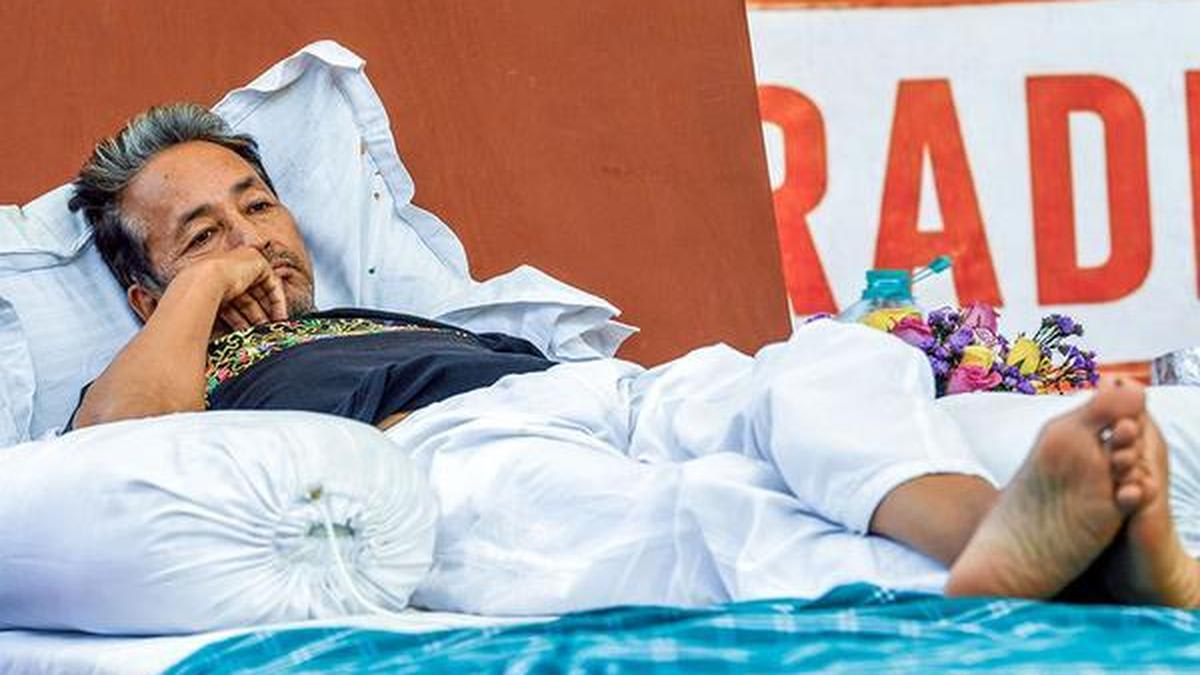
A CJP-led protest march in Delhi demanding the Education Minister's resignation turned violent, resulting in widespread injuries to both police and protesters. Amid the chaos, activist Sonam Wangchuk was removed from the site by authorities, sparking further tension and public outcry.
Turmoil at the Capital: Analyzing the CJP-led Parliament March
The Escalation of Civil Unrest
The recent protest march organized by the CJP toward the Indian Parliament in Delhi represents a significant flashpoint in the ongoing friction between civil society groups and the state administration. What began as a demonstration demanding the resignation of Education Minister Dharmendra Pradhan rapidly descended into a scene of chaotic confrontation. The atmosphere, described by the sound of sirens and teargas, highlights the breakdown of communication between the demonstrators and law enforcement authorities.
The Role of Sanctuary and State Response
The incident at Gurdwara Bangla Sahib underscores the desperate nature of the standoff. As protesters sought refuge within the sacred walls of the gurdwara to escape the police lathi-charge, the event transformed from a political march into a humanitarian struggle. The presence of individuals clutching handkerchiefs against teargas and the emotional distress of families involved reflect the intense human cost of the day’s events, which many participants framed as an attack on the country's youth.
Conflicting Narratives of Violence
The Delhi Police have reported a severe escalation in physical conflict, noting that over 118 police personnel, including senior officers, sustained injuries. The official statement characterizes the protesters as having engaged in large-scale violence, including the vandalism of public property and the use of stones against law enforcement. Conversely, the protesters’ perspective focuses on their need for self-protection against what they perceived as an unprovoked lathi-charge, illustrating a deep chasm in the perception of the day's events.
The Removal of Sonam Wangchuk
A pivotal moment in the day’s timeline was the removal of activist Sonam Wangchuk from the protest site by the Delhi Police. His subsequent transfer to Safdarjung Hospital adds a layer of concern regarding the treatment of high-profile protest leaders. This development has likely served to further polarize the situation, as Wangchuk’s supporters continue to voice their solidarity through placards and slogans, keeping the pressure on the government.
Broader Implications and Future Trends
The scale of the detentions—approximately 70 protesters—and the high number of injured police personnel suggest that this event will have lasting legal and political ramifications. The government’s reliance on prohibitory orders and the protesters' refusal to disperse signals a hardening of stances on both sides. Looking ahead, this incident may lead to stricter security protocols in the national capital and likely prolonged debates regarding the right to protest and the limits of state force in maintaining public order.
Conclusion
In summary, the CJP-led march serves as a stark reminder of the volatility currently characterizing public demonstrations in Delhi. With both sides reporting significant injuries and entrenched in opposing narratives, the path toward a resolution remains unclear. The incident not only highlights the immediate demand for the resignation of the Education Minister but also raises broader questions about how the state and civil society will navigate future confrontations in the public sphere.
Multiple Citing Sources
Verification Required?