Supreme Court backs right to association, peaceful protest; seeks permission details of Oct 10 protests
Source Entity
India Latest News: Top National Headlines Today & Breaking News | The Hindu
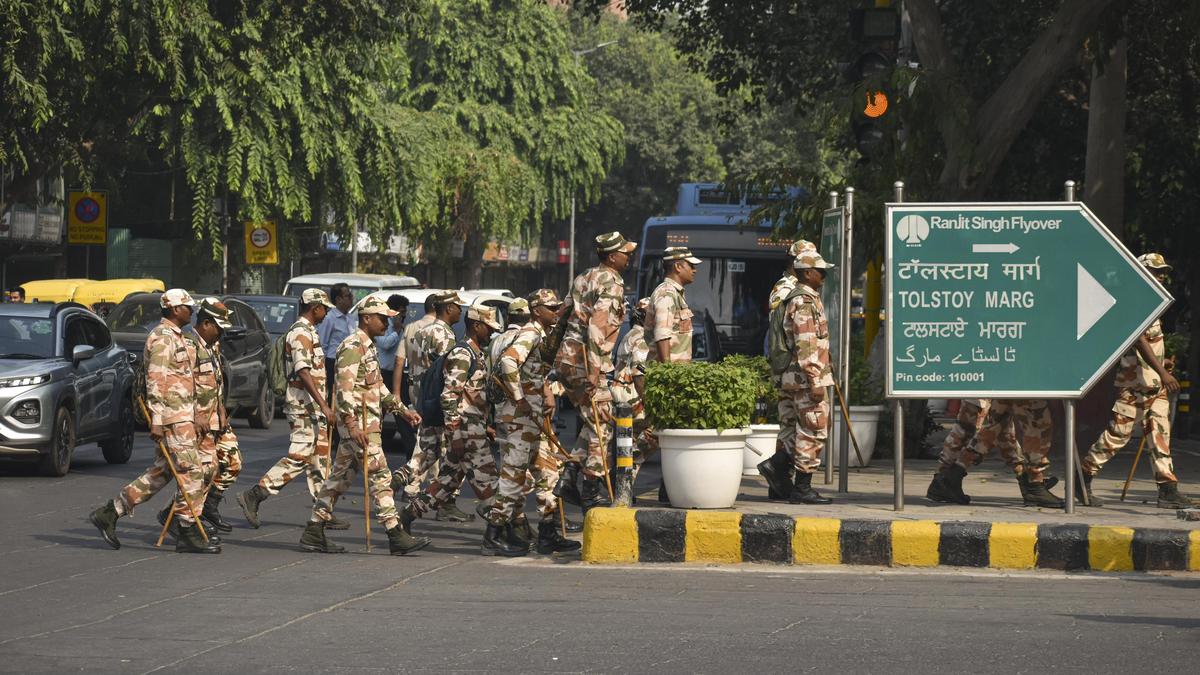
A protest in New Delhi by the Cockroach Janta Party against CEC Gyanesh Kumar escalated into violence, resulting in an injured police officer and over 400 detentions. The security lockdown also disrupted the livelihoods of migrant daily wage workers unable to access their workplaces.
Turmoil in the Capital: CJP Protest Escalates
The political climate in New Delhi reached a flashpoint on October 10, 2026, as a demonstration organized by the Cockroach Janta Party (CJP) against Chief Election Commissioner Gyanesh Kumar devolved into unrest. The protest, which took place in the heart of Connaught Place, quickly overwhelmed security measures, leading to reported instances of stone-pelting. The violence resulted in injuries to a police official, underscoring the volatility surrounding the electoral commission's recent administrative trajectory.
Security Response and Mass Detentions
In response to the escalating situation, Delhi law enforcement deployed specialized units, including the 'Pink Force,' and utilized body cameras to document the proceedings and manage the crowds. The scale of the police response was significant, with authorities confirming that over 400 individuals associated with the protest were detained. This aggressive containment strategy highlights the state's prioritization of maintaining public order in the capital’s high-security zones during periods of political dissent.
Impact on the Working Class
Beyond the political confrontation, the security lockdown created an unexpected crisis for the city’s vulnerable workforce. Migrant daily wage laborers and staff employed in Khan Market and surrounding commercial hubs found themselves unable to reach their jobs. Security personnel at barricades in areas like Nizamuddin enforced strict access controls, turning away workers who lacked formal identity documentation, effectively halting their ability to earn a daily living.
The Human Toll of Political Unrest
Personal accounts from commuters illustrate the logistical nightmare caused by the protest. Individuals such as Devender Chauhan, who was attempting to escort his wife to her workplace, were barred from proceeding despite presenting visual evidence of employment, such as uniforms and company credentials. This situation underscores a broader trend where intense political demonstrations often disproportionately impact the city's informal economy, as security protocols prioritize the containment of political activists over the mobility of essential workers.
Broader Implications and Future Trends
This incident serves as a stark reminder of the challenges inherent in balancing democratic rights to protest with the necessity of maintaining urban stability. As the CJP continues its opposition to CEC Gyanesh Kumar, future demonstrations are likely to face even tighter restrictions. The reliance on heavy-handed security measures—while effective in preventing total chaos—risks deepening the divide between political entities and the daily commuters who navigate Delhi’s infrastructure, potentially leading to further civil friction in the months ahead.
Multiple Citing Sources
Verification Required?