After Maharashtra hill tragedy, Delhi man jumps into Yamuna over iPhone
Source Entity
VRITI JAIN
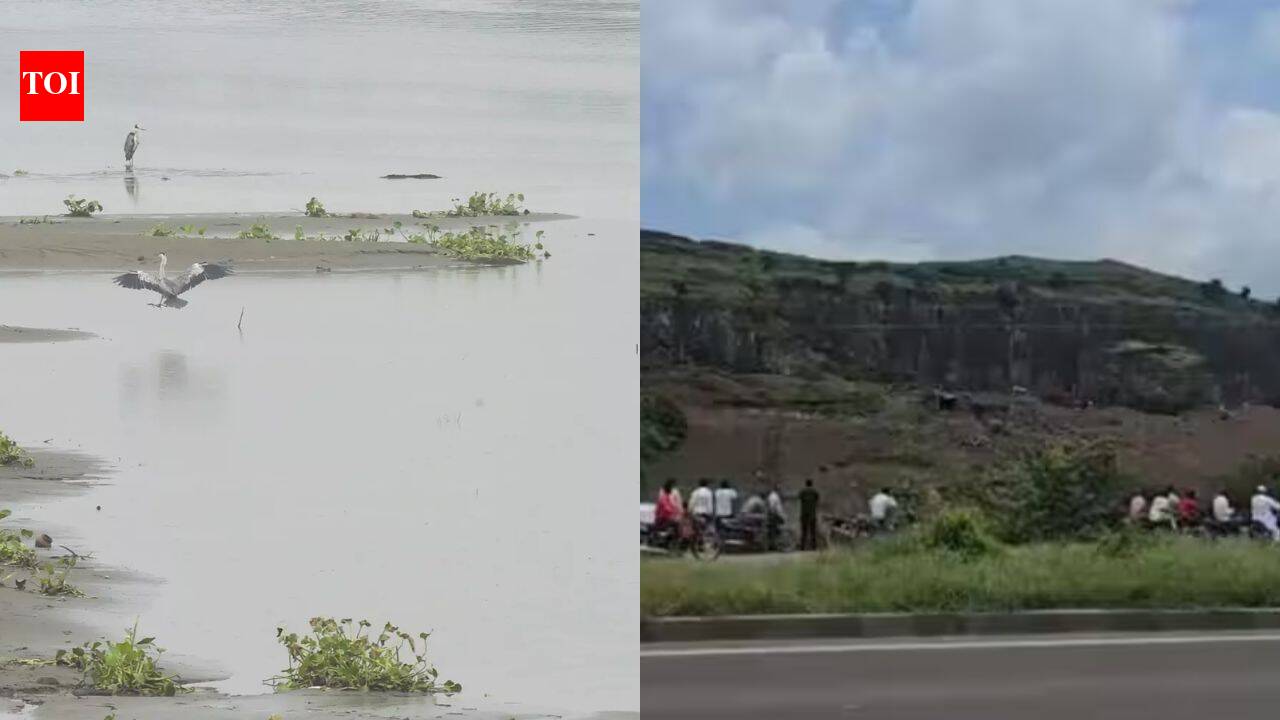
A Delhi dance teacher was rescued after jumping into the Yamuna River due to financial distress over iPhone EMI payments. Authorities successfully intervened, and the man was reunited with his family following counseling.
The Crisis of Consumer Debt and Mental Health
In a concerning incident near Bhola Ghat in the Kalindi Kunj area of New Delhi, a 30-year-old dance teacher named Deepak Kumar attempted to take his own life by jumping into the Yamuna River. The primary driver of this extreme act, according to police reports, was the immense psychological and financial pressure stemming from his inability to maintain installment payments for an iPhone. This event highlights the growing intersection between aggressive consumer credit marketing and the vulnerability of gig-economy workers.
The Anatomy of the Rescue Operation
The incident occurred on a Friday evening at approximately 8:30 pm. Fortunately, police personnel conducting routine patrols in the vicinity were alerted to the situation immediately. Recognizing the gravity of the threat, the officers acted with commendable speed, notifying the local flood department. A specialized rescue team, equipped with a boat, was dispatched to the site. Their rapid response was instrumental in locating Kumar in the river and bringing him safely to shore, preventing a tragic outcome.
Financial Instability in the Gig Economy
Deepak Kumar, a resident of Sanjay Colony in Okhla, represents a segment of the workforce often categorized as vulnerable. Balancing a dual career as a dance teacher and a gardener, Kumar’s income was reportedly insufficient to meet the rising costs of living while simultaneously servicing debt for a high-end consumer electronic device. His story underscores the volatility of income for those not supported by traditional corporate structures, where even a minor fluctuation in earnings can lead to a catastrophic inability to manage personal debt.
The Psychology of 'Status' Spending
The allure of high-end consumer technology, often marketed through 'Buy Now, Pay Later' (BNPL) schemes or accessible EMI options, creates a unique psychological trap for individuals operating under financial strain. While these financial products are designed to increase accessibility, they can also obscure the long-term reality of debt obligations. For many, the acquisition of such devices is tied to professional appearances or perceived social standing, creating a 'status trap' that becomes unsustainable when income streams are unpredictable.
Broader Socio-Economic Implications
This incident serves as a stark reminder of the need for better financial literacy and mental health support systems within India’s urban centers. As digital lending platforms continue to penetrate deeper into the middle and lower-income demographics, the risk of individuals over-leveraging themselves for non-essential goods increases. The incident at the Yamuna is not merely a local news story; it is a symptom of a larger, systemic issue regarding how consumer debt is managed and how mental health crises are addressed in the wake of financial failure.
Conclusion and Path Forward
Following his rescue, Deepak Kumar was brought to the police station where he received counseling. His family was notified and arrived shortly after, allowing him to return home in their care. While the immediate crisis was averted, the event underscores the necessity for comprehensive support mechanisms. Moving forward, authorities and social organizations must prioritize debt counseling and accessible mental health resources to ensure that individuals facing financial distress have alternatives to extreme measures when life becomes overwhelming.
Multiple Citing Sources