In Delhi, only 0.27% of 4.5 lakh Form 6s disposed of so far
Source Entity
India Latest News: Top National Headlines Today & Breaking News | The Hindu
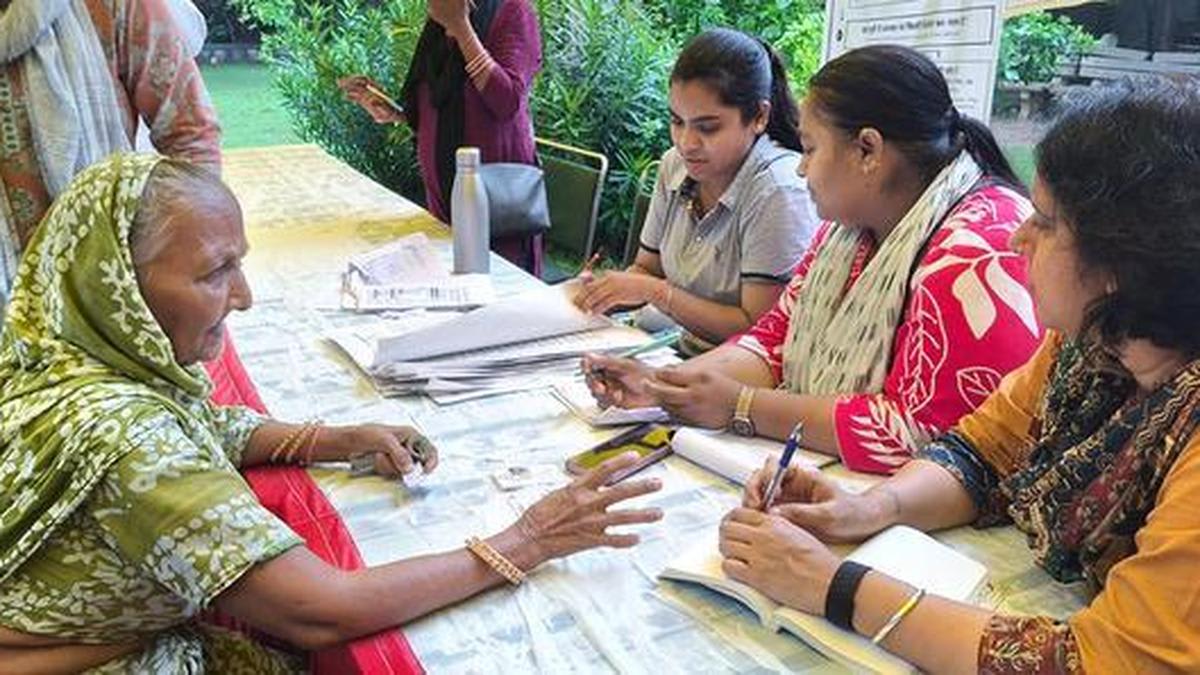
Delhi is facing a significant backlog in processing electoral roll applications, with only 0.27% of 4.5 lakh Form 6 requests addressed in 42 days. With the deadline approaching, concerns are mounting over the administrative capacity to handle these new voter inclusions and the ongoing reverification of 47.5 lakh removed names.
The Electoral Roll Crisis in Delhi: An Administrative Bottleneck
Recent data has brought to light a concerning administrative bottleneck in Delhi's electoral processes. Out of 4.5 lakh Form 6 applications submitted by citizens seeking inclusion in the electoral roll, only 1,238 have been processed over a 42-day period. This represents a disposal rate of a mere 0.27%, a statistic that raises significant questions regarding the efficiency of the ongoing Special Intensive Revision (SIR) in the national capital.
The Scope of the Inclusion Challenge
The sheer volume of applications underscores a massive demand for democratic participation. Of the 4.5 lakh total applications, approximately 2.39 lakh represent individuals who are either first-time voters or those seeking re-inclusion following the publication of the draft roll on August 31. The disparity between the number of applications received and the number processed suggests that the administrative machinery is currently struggling to keep pace with the influx of requests during the critical claims and objections period.
The Impact of ASDD Reverification
Compounding the pressure on the electoral machinery is the directive from Delhi’s Chief Electoral Officer (CEO) regarding the ‘Absent, Shifted, Dead and Duplicate’ (ASDD) categories. The CEO has mandated a fresh, door-to-door reverification process for 47.5 lakh names previously removed from the draft roll. By assigning booth-level officers (BLOs) to verify these records, the electoral office is essentially managing two massive, parallel administrative tasks: processing new inclusions while simultaneously auditing previous exclusions.
Time Constraints and Voter Disenfranchisement
With only 10 days remaining to file forms for inclusion, the window for correcting these administrative delays is rapidly closing. The pressure on the system is twofold: ensuring that those who were erroneously removed from the rolls have their status rectified, and ensuring that new applicants are granted their right to vote in time for upcoming electoral cycles. If the current pace of disposal continues, there is a tangible risk that a significant number of eligible citizens may find themselves excluded from the final electoral roll.
Broader Implications for Electoral Integrity
The integrity of any democratic process relies heavily on the accuracy and inclusivity of its electoral rolls. When the administrative process lags, it creates a lack of public trust and potentially disenfranchises large segments of the population. The current situation in Delhi serves as a reminder of the logistical complexity involved in maintaining a voter database for a city of its size. As the deadline looms, the effectiveness of the CEO’s office in accelerating the disposal of these forms will be the deciding factor in ensuring a representative and fair electoral process for all Delhi residents.
Verification Required?