‘Haunted walks’ to horror movie screenings: Delhi’s interest in ‘paranormal’ goes beyond Halloween
Source Entity
Jaspreet Singh
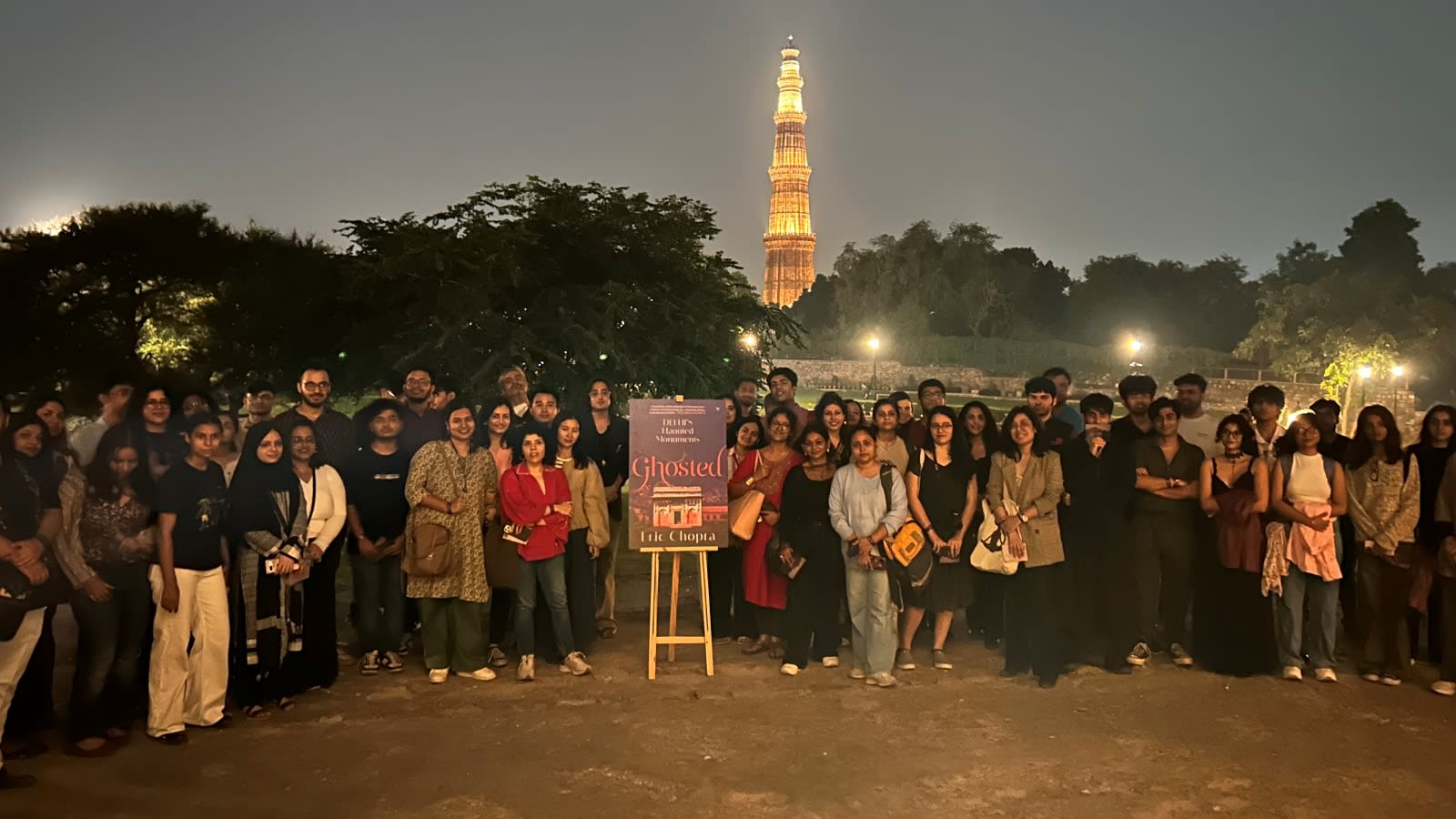
Delhi residents are increasingly engaging with horror-themed activities like haunted heritage walks and movie screenings this Halloween. These curated experiences at historic sites like Jamali-Kamali and Feroz Shah Kotla blend local folklore with modern thrill-seeking.
The Evolution of Horror Tourism in Delhi
Delhi’s relationship with the macabre has undergone a significant transformation, shifting from the traditional, informal sharing of ghost stories at household gatherings to a structured, experiential industry. This Halloween, a new generation of thrill-seekers in the capital is moving beyond passive consumption of horror to active participation in ‘haunted heritage walks’ and specialized cinematic events. This shift indicates a growing cultural appetite for immersive storytelling that leverages the city’s deep historical and architectural roots to provide a visceral, tangible experience of the supernatural.
The Intersection of History and Folklore
Central to this trend is the work of curators like Anoushka Jain, who report that thematic ‘haunted walks’ frequently see higher participation rates than standard historical tours. By centering these experiences around iconic, centuries-old locations such as the Jamali-Kamali mosque in the Mehrauli Archaeological Park and the Feroz Shah Kotla Fort, organizers are effectively bridging the gap between academic history and local legend. These sites are not merely ruins to the participants; they are viewed as active repositories of myth, particularly regarding the presence of Djinns.
The Role of Djinn Mythology
In the context of these excursions, the legend of the Djinn—described as invisible shape-shifters capable of manifesting as humans or animals—serves as a primary draw for the public. The persistence of these narratives in the modern urban landscape demonstrates how ancient folklore continues to influence contemporary leisure patterns. By framing these archaeological sites within the context of Djinn mythology, organizers offer a psychological thrill that is deeply rooted in the cultural consciousness of the region, making the ‘haunted’ aspect of the walk feel authentic and localized.
Psychological and Social Implications
The popularity of these events suggests that participants are seeking more than just entertainment; they are looking for a communal sense of mystery that differentiates their weekend activities from mainstream leisure. When curators report alleged ‘supernatural sightings’ during these walks, it underscores the performative nature of these events, where the boundary between historical education and interactive theater becomes blurred. This dynamic enhances the engagement of the audience, who arrive prepared to suspend disbelief and immerse themselves in the eerie atmosphere of the city's darker history.
Future Trends in Urban Leisure
As this segment of the experience economy continues to grow, it is likely that Delhi will see a further professionalization of ‘paranormal’ tourism. The success of current offerings indicates that as long as there is an intersection between well-preserved historical sites and a public interest in the unknown, there is significant potential for growth. Future trends may include more technologically integrated experiences, such as augmented reality or sophisticated soundscapes, designed to heighten the perceived intensity of these heritage-based horror encounters. Ultimately, this trend reflects a modern society’s desire to reconnect with the past through a lens of wonder and fear.