Delhi HC strikes down Centre’s visa services tender process across four countries
Source Entity
Latest News: Today's Latest News Headlines from India & World | Hindustan Times | Hindustan Times
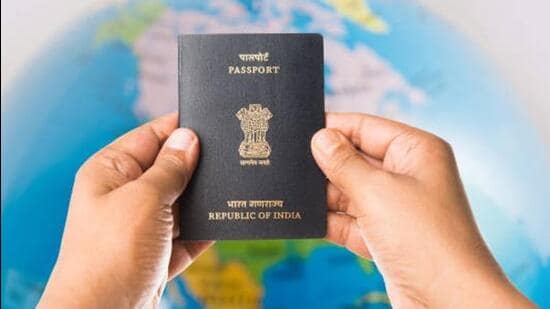
The Delhi High Court has annulled the Central Government's tender process for visa services in four countries, ruling that the process lacked the necessary transparency, fairness, and equality required for public procurement.
Judicial Oversight of Public Procurement: Delhi HC Nullifies Visa Services Tender
In a significant ruling that underscores the necessity of administrative transparency, the Delhi High Court has struck down the Central Government's tender process for outsourcing visa services across four different countries. The court's decision comes after a rigorous examination of the procurement process, leading to the conclusion that the government's approach failed to meet the fundamental legal standards of fairness and equality. By declaring the process void, the judiciary has sent a clear signal that executive convenience cannot override the statutory requirements of public procurement.
The Crisis of Transparency in Public Procurement
At the heart of the court's decision is the assertion that the deficiencies in the tender process "struck at the very heart of transparency, fairness, and equality." In the context of Indian administrative law, public procurement is governed by strict guidelines—often aligned with the General Financial Rules (GFR)—to ensure that the state obtains the best value for money while providing a level playing field for all eligible bidders. When a tender process is found to be opaque or biased, it not only jeopardizes the integrity of the specific contract but also erodes public trust in governmental institutions. The court's intervention suggests that the Centre may have bypassed critical checkpoints or utilized criteria that unfairly favored certain entities over others.
Implications for Diplomatic and Consular Operations
Outsourcing visa services to third-party agencies is a common global practice used to streamline the collection of documents and biometric data, reducing the administrative burden on embassies and consulates. However, because these services act as the primary gateway for foreign nationals entering India, the selection of the service provider is a matter of national security and diplomatic efficiency. The cancellation of this tender across four countries creates an immediate operational vacuum. The government now faces the challenge of maintaining seamless visa processing in these regions while simultaneously drafting a new, legally compliant tender document that can withstand judicial scrutiny.
Historical Context and Judicial Activism
This ruling fits into a broader historical trend in India where the High Courts and the Supreme Court have increasingly scrutinized the "arbitrariness" of state actions. Under Article 14 of the Indian Constitution, which guarantees equality before the law, any state action—including the awarding of commercial contracts—must be reasonable and non-discriminatory. Over the last decade, the judiciary has consistently stepped in when public tenders were manipulated through restrictive eligibility clauses or lack of adequate notice. This specific case reinforces the principle that the "Right to Equality" extends to the commercial interactions between the state and private vendors.
Predicted Future Trends and Remedial Actions
Moving forward, the Central Government will likely be forced to implement a more robust, digitized, and transparent e-tendering system to avoid further litigation. We can expect a shift toward more detailed "Request for Proposals" (RFPs) that leave less room for subjective interpretation. Furthermore, this judgment may prompt a review of similar procurement processes currently active in other countries to preempt similar legal challenges. The long-term trend will likely see an increase in the use of independent oversight committees to audit the tender process before the final award is announced.
Conclusion
The Delhi High Court's decision is a victory for the rule of law over administrative expediency. By striking down the visa services tender, the court has reaffirmed that fairness and transparency are not mere formalities but are essential prerequisites for any state-led procurement. While the immediate result is a logistical setback for the Centre's diplomatic operations, the ultimate outcome will be a more equitable and accountable system for awarding public contracts.
Verification Required?