Delhi High Court recalls gag order on The Wire for future publications against former Chief Secretary
Source Entity
Sohini Ghosh
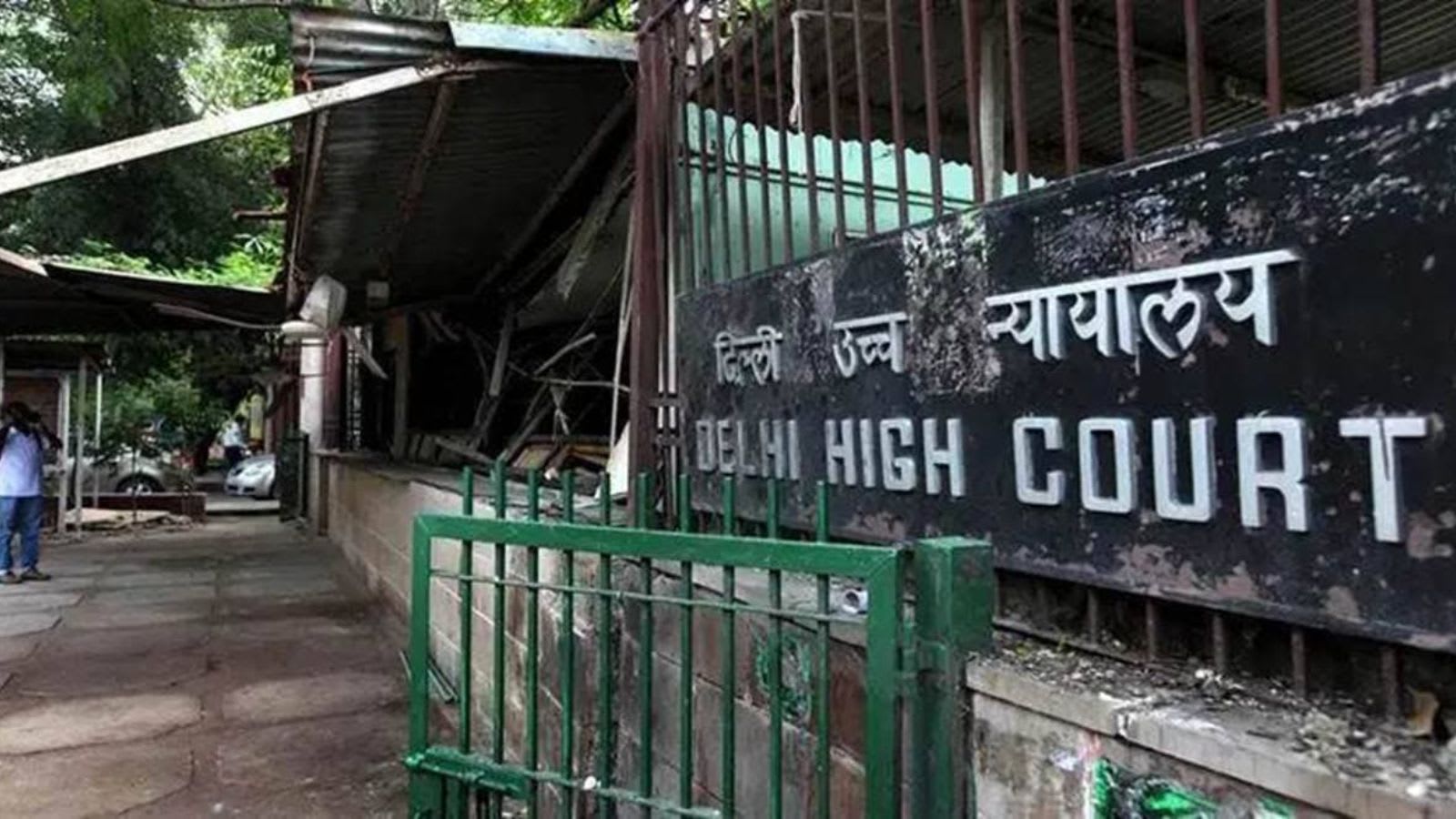
The Delhi High Court has lifted a gag order that previously restricted The Wire from publishing future reports about former Chief Secretary Naresh Kumar. The court ruled that it is legally impossible to presume future content will be defamatory based on past publications.
Delhi High Court Overturns Prior Restraint on The Wire
In a significant development for media freedom in India, the Delhi High Court issued a landmark ruling on Monday, recalling a previous gag order that had barred the digital news platform The Wire and one of its journalists from publishing future reports concerning former Delhi Chief Secretary Naresh Kumar. The order, which had been in place since November 2023, was challenged on the grounds that it constituted an unconstitutional form of prior restraint against the press.
The Legal Threshold of Defamation
The court’s reasoning centered on the fundamental legal principle that defamation cannot be presumed before a publication is even released. The presiding bench emphasized that there is no conceivable way—either in fact or in law—to pre-determine that future journalistic work will be defamatory. By recalling the order, the court reaffirmed that the judiciary cannot act as a preemptive censor based on the history of a publisher or author, regardless of past disputes between the parties involved.
Implications for Press Freedom
This decision serves as a vital affirmation of the role of the media in a democratic society. Prior restraint orders, often sought in defamation cases, carry the risk of chilling investigative journalism by effectively silencing platforms before they can present evidence or public interest documentation. By rejecting the notion of 'presumptive defamation,' the Delhi High Court has strengthened the legal protections afforded to digital outlets, ensuring that they are held accountable for what they do publish, rather than being silenced for what they might publish.
Contextualizing the Dispute
The original gag order stemmed from a legal action initiated by Naresh Kumar in November 2023. As a high-ranking public official, Kumar sought to protect his reputation against what he deemed to be defamatory content. However, the court’s latest intervention highlights the high bar required to restrict free speech. The judiciary has signaled that reputation management through litigation cannot be used as a tool to prevent the press from scrutinizing the actions of high-level government officials.
Balancing Reputation and Accountability
While the court's decision is a victory for The Wire, it also underscores the ongoing tension between the right to privacy/reputation and the right to freedom of expression. The court essentially clarified that the legal system provides sufficient remedies for defamation after the fact—such as civil suits for damages or criminal defamation proceedings—which are the appropriate avenues for redress, rather than blanket injunctions that stifle future discourse.
Future Trends in Media Litigation
Looking ahead, this ruling will likely serve as a crucial precedent in future cases involving public figures and digital media outlets. It provides a clear roadmap for courts to resist the temptation of issuing 'blanket' gag orders, which are increasingly common in the digital age. As investigative journalism continues to evolve, this decision reinforces the judiciary’s commitment to maintaining a robust environment where the press can function without the constant threat of preemptive judicial interference.