Digital to cash: The changing way in which people pay for Delhi Metro rides
Source Entity
Devansh Mittal
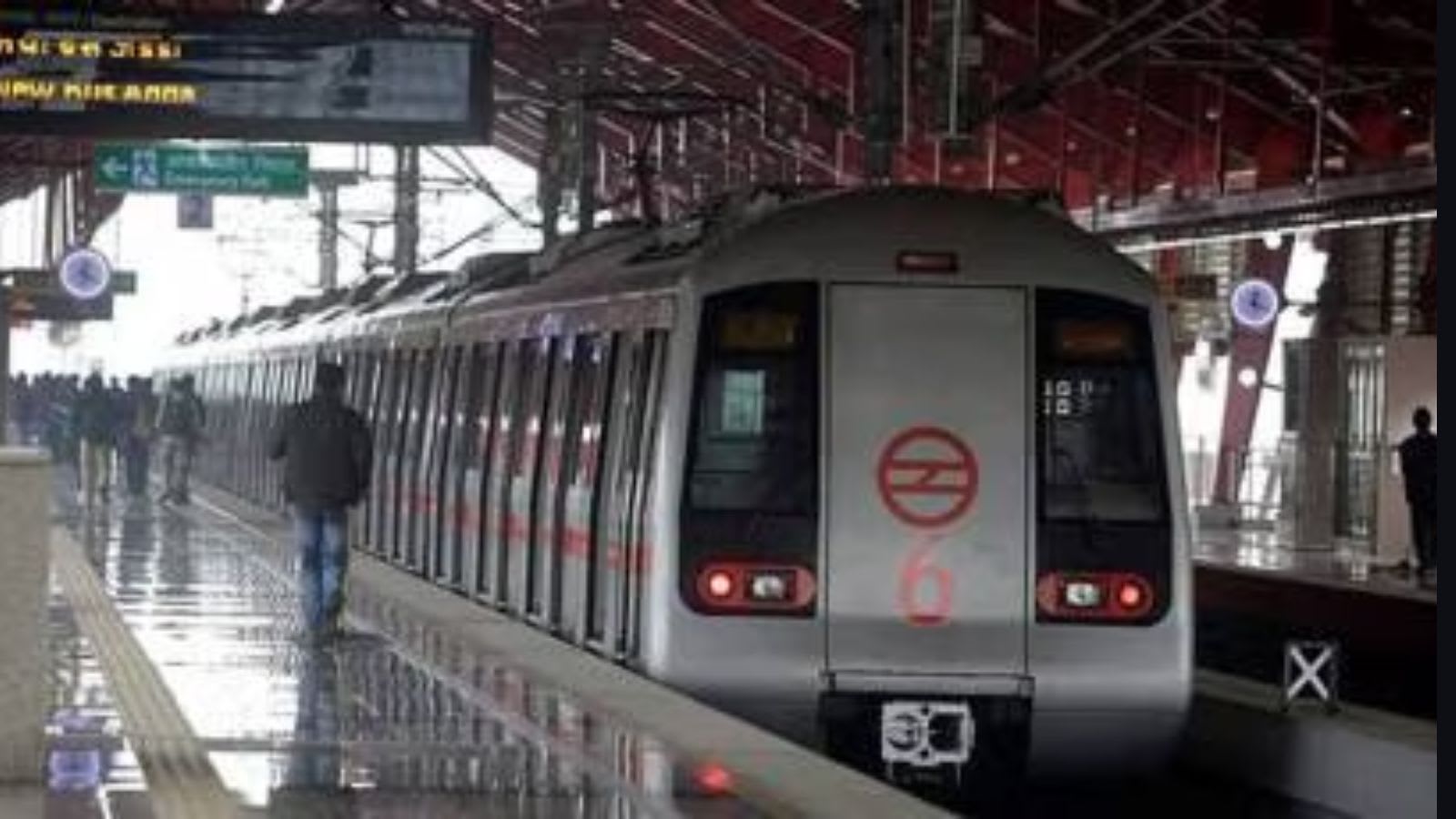
The Delhi Metro has undergone a major digital transformation, with cashless transactions now accounting for nearly 74% of its revenue. This shift, driven by the DMRC, aims to reduce congestion and promote the National Common Mobility Card (NCMC) for seamless travel.
The Digital Transformation of Delhi Metro
The Delhi Metro Rail Corporation (DMRC) has reached a significant milestone in its operational evolution, with internal data revealing a seismic shift in passenger payment behaviors. Currently, nearly three-fourths of the network's revenue is generated through digital channels, marking a complete reversal of the financial landscape compared to just eight years ago. This transition from a cash-reliant system to a digital-first model reflects the broader modernization efforts currently sweeping through India's public infrastructure.
Analyzing the Revenue Shift
Historically, the Delhi Metro functioned primarily on cash transactions, with 2018 data indicating that approximately 77.93% of revenue was collected in physical currency. Today, that trend has inverted, with digital transactions accounting for 73.56% of earnings. This dramatic pivot is not merely a statistical anomaly but a reflection of a concerted policy drive by DMRC officials to modernize fare collection and optimize station throughput.
Drivers of Digitization: Efficiency and Scalability
The push toward digital payments is fundamentally rooted in the need to resolve logistical bottlenecks. By reducing the reliance on manual counters and token vending machines, the DMRC is actively shortening passenger wait times. Minimizing cash handling significantly lowers the administrative burden and security risks associated with managing physical currency, allowing station staff to focus on passenger safety and facility maintenance rather than fare reconciliation.
The Role of NCMC and National Interoperability
A core component of this digital strategy is the implementation of the National Common Mobility Card (NCMC). By championing a unified payment standard, the DMRC is aligning itself with a national goal of creating interoperable transit networks. This allows commuters to use a single payment instrument across various Metro networks in the country, effectively removing the friction of localized ticketing systems and fostering a more integrated national transit ecosystem.
Future Trends in Urban Transit
As the DMRC continues to phase out legacy cash systems, the future of urban mobility in Delhi looks increasingly automated. The decline of cash transactions suggests that passenger adoption of digital wallets, QR codes, and smart cards has reached a critical mass. Moving forward, we can expect the DMRC to further refine its digital infrastructure to support higher volumes of contactless payments, ensuring that the network remains a model for efficient urban transit in rapidly growing global cities.