With pollution curbs in Delhi, labourers stare at months without wages
Source Entity
Sophiya Mathew
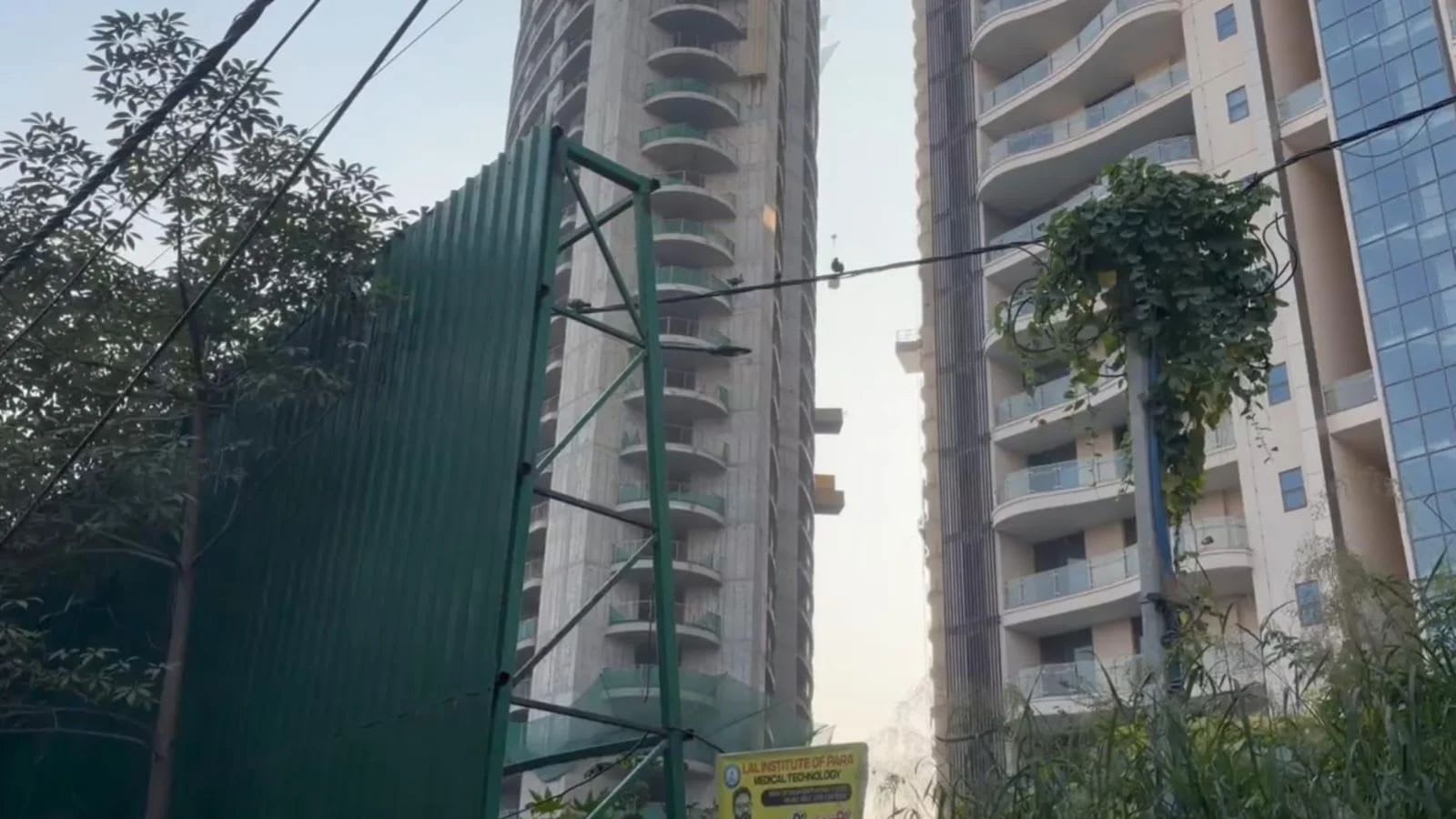
Authorities in Delhi-NCR have mandated a construction ban and 50% work-from-home policies from November 5 to 20 to combat anticipated severe winter air pollution. These measures aim to curb hazardous AQI levels but have raised significant concerns regarding the livelihoods of daily-wage laborers.
Delhi-NCR Implements Strict Anti-Pollution Measures
The National Capital Region (NCR) is bracing for its annual winter battle against hazardous air quality. In a proactive effort to mitigate the anticipated surge in pollution, the Centre has announced a comprehensive ban on construction and demolition activities across Delhi and its surrounding districts, effective from November 5 to November 20. This directive, overseen by Union Environment Minister Bhupender Yadav and notified by the Commission for Air Quality Management (CAQM), represents a critical intervention as the region prepares for the peak smog season.
Addressing the Seasonal Smog Crisis
Historical data consistently shows that during mid-November, Delhi’s Air Quality Index (AQI) frequently deteriorates into the 'Severe' and 'Severe+' categories. The onset of winter brings meteorological conditions that trap pollutants, turning the region into a gas chamber. By halting construction and demolition—major sources of airborne particulate matter—the government aims to preemptively reduce the total dust load during this high-risk period.
Workplace Restrictions and Operational Adjustments
Beyond construction, the government has mandated that both state and private offices in Delhi, as well as satellite cities like Gurugram, Ghaziabad, Faridabad, Sonipat, and Gautam Buddha Nagar, operate at a maximum of 50% physical staff capacity. Employees are encouraged to work from home to reduce vehicular traffic and associated emissions. These restrictions apply broadly, though critical exemptions have been granted for essential services and industrial establishments where remote operations are physically impossible.
The Socio-Economic Impact on Laborers
While these measures are vital for public health, they place a disproportionate burden on the construction workforce. For laborers like those at luxury housing projects in Karol Bagh, the ban signals an immediate cessation of income. Many workers, who typically earn around Rs 18,000 per month, face the prospect of forced migration back to their home villages as contractors suspend operations, highlighting the precarious nature of the informal economy in the face of environmental policy.
Future Implications and Policy Challenges
This recurring pattern of seasonal bans highlights a systemic challenge in balancing environmental sustainability with economic stability. While the current mandate serves as a necessary stopgap to prevent health crises, the reliance on temporary halts suggests a need for long-term structural changes in urban planning, dust-suppression technology, and economic safety nets for vulnerable workers. Without more sustainable, year-round mitigation strategies, the region will likely continue to face the cyclical conflict between public health imperatives and the livelihoods of its most marginalized citizens.
Multiple Citing Sources