Is Delhi ready for annual air crisis?
Source Entity
Latest News: Todays Latest News Headlines from India & World | Hindustan Times
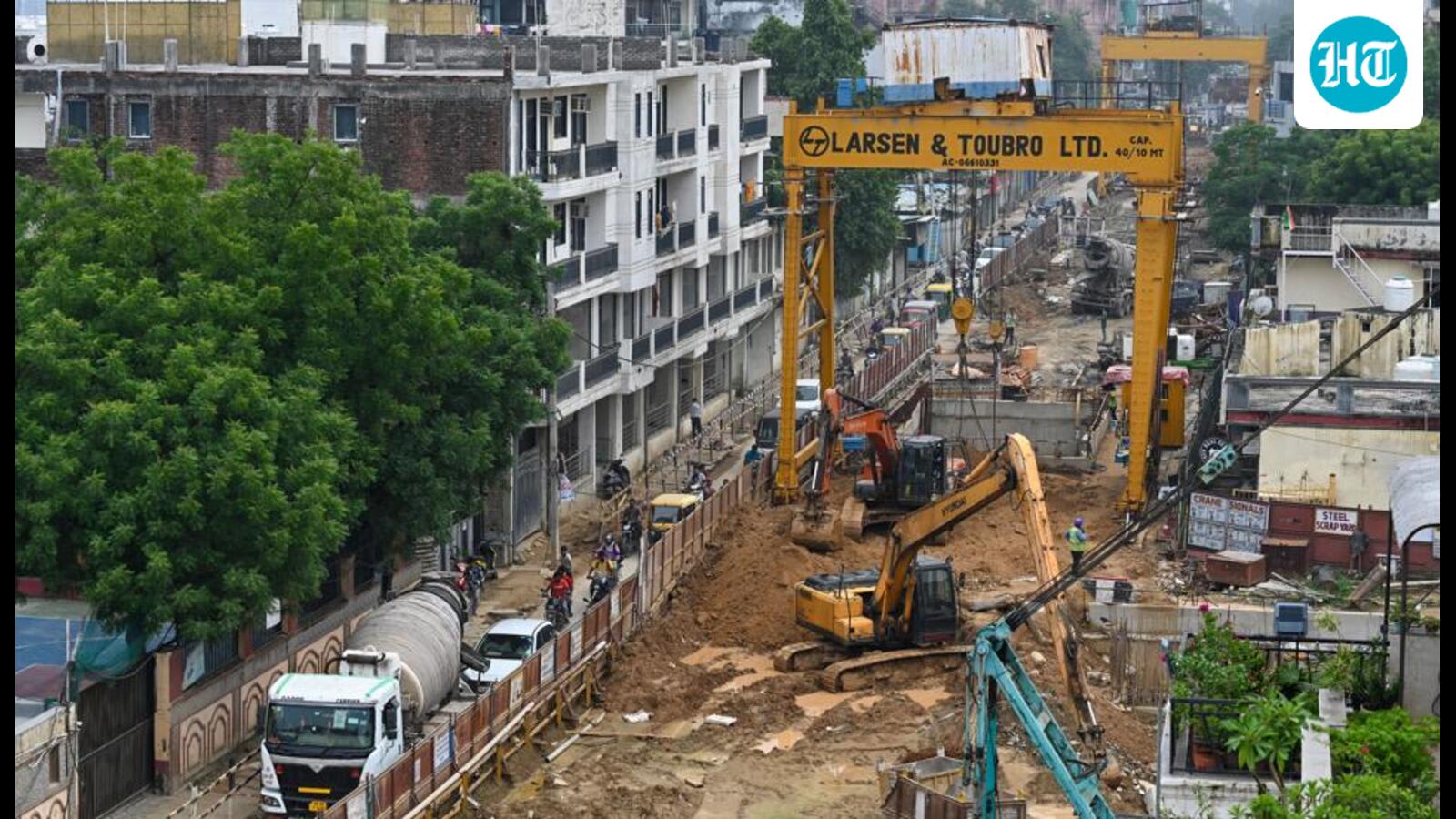
Authorities have mandated a construction ban and 50% work-from-home policy in Delhi-NCR from November 5 to 20 to combat anticipated winter air pollution. The Supreme Court has simultaneously scrutinized enforcement failures regarding firecracker bans, emphasizing the need for stricter regulatory oversight.
Delhi-NCR Braces for Annual Air Quality Crisis
As winter approaches, Delhi-NCR is once again facing the grim reality of a seasonal air quality crisis. With the Air Quality Index (AQI) projected to slide into the 'poor' category starting November 1, the Centre has taken proactive, albeit recurring, measures to mitigate the environmental impact. The most significant of these is the suspension of all construction and demolition activities across the National Capital Region (NCR) from November 5 to 20, a period historically associated with a sharp spike in toxic smog levels.
Regulatory Framework and Enforcement
The Commission for Air Quality Management (CAQM) and the Union Environment Ministry have implemented these restrictions as part of a broader framework to curb particulate matter. Beyond construction halts, the government has mandated that both public and private offices in Delhi, Ghaziabad, Gurugram, Faridabad, Sonipat, and Gautam Buddha Nagar operate at 50% staff capacity, with the remainder working from home. These measures are designed to reduce vehicular congestion and industrial emissions, which exacerbate the accumulation of pollutants trapped by stagnant winter air.
The Judicial Stance on Firecrackers
Simultaneously, the judiciary has intervened to address the annual controversy surrounding firecracker usage. The Supreme Court recently pulled up the Delhi government and the CAQM, labeling the ineffective enforcement of previous bans a "mockery" of the law. While the Court has demanded detailed records of inspections and seizures, it has maintained a nuanced position by signaling it may permit the use of "green firecrackers" on specific days surrounding Diwali, scheduled for November 8. This reflects the complex balancing act between environmental health and cultural practices.
Historical Context and Structural Challenges
Historical data remains the primary driver for these preemptive curbs. Mid-November consistently marks a period where AQI levels frequently hit 'Severe' and 'Severe+' categories. Despite the Graded Response Action Plan (GRAP) being in place, the region remains dotted with large infrastructure projects, some of which receive exemptions even during the strictest phases of the plan. This tension between developmental necessity and public health continues to pose a significant governance challenge.
The Future of Air Quality Management
Reliance on weather patterns—such as wind speed and rainfall—for temporary relief is becoming an increasingly unsustainable strategy. Experts note that while weather provides a reprieve, systemic issues like farm fires and local emission sources require more than just seasonal bans. Moving forward, the effectiveness of these measures will depend heavily on the transition from reactive policy-making to consistent, year-round enforcement of pollution control norms.
Conclusion
The current restrictions represent a critical attempt to flatten the pollution curve during the most dangerous time of the year. However, the success of these initiatives hinges on the collective ability of state governments and regulatory bodies to move beyond temporary halts and address the deep-rooted infrastructural and regulatory gaps that leave Delhi vulnerable to annual smog spells.
Multiple Citing Sources
Verification Required?