Global nature talks reach deal but money remains an issue
Source Entity
BBC News
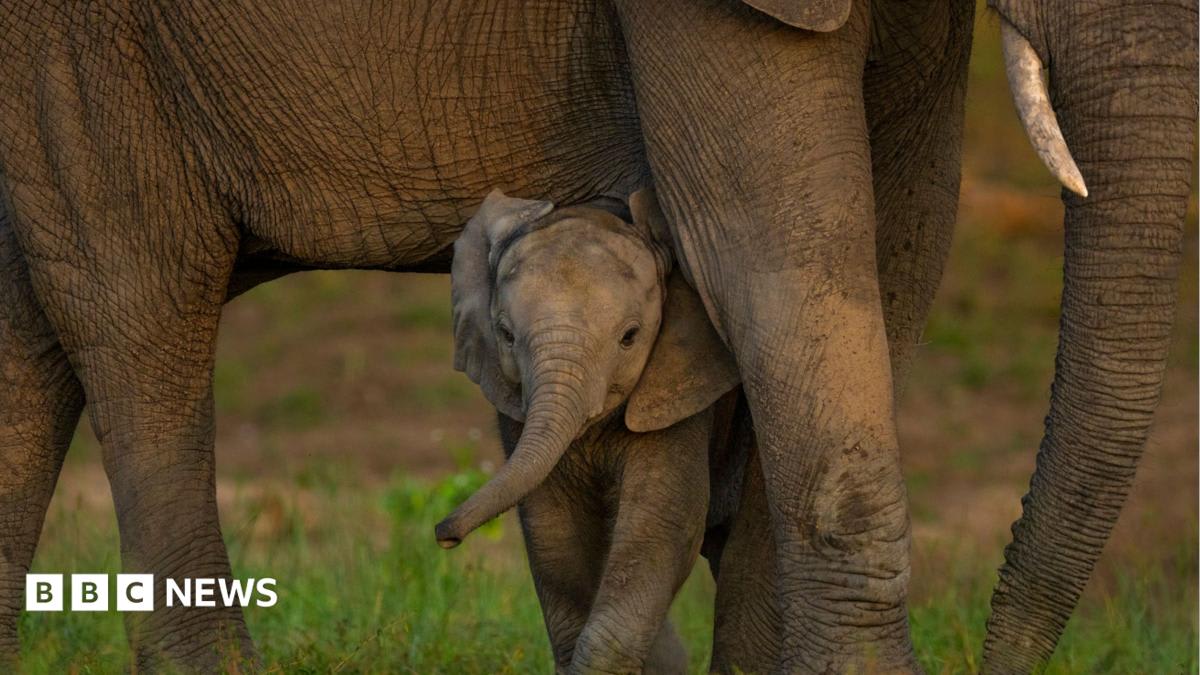
Delegates from nearly 200 countries in Yerevan reached a critical agreement to advance the 2022 Global Biodiversity Framework. Despite this progress, significant challenges regarding financing the initiative to halt nature decline remain unresolved.
Bridging the Gap: The Yerevan Biodiversity Agreement
Following nearly two weeks of intensive negotiations in Yerevan, Armenia, delegates from nearly 200 nations have reached a consensus on a new action plan aimed at addressing the accelerating decline of the natural world. While the atmosphere was marked by rigorous debate rather than the physical altercations often sensationalized in political contexts, the gravity of the mission remained clear. The successful conclusion of these talks, presided over by Hambardzum Matevosyan, marks a pivotal, albeit difficult, step in operationalizing global environmental commitments.
Building on the 2022 Landmark Framework
This recent gathering serves as a critical follow-up to the historic 2022 Global Biodiversity Framework. Four years ago, the international community committed to an ambitious goal: to "halt and reverse" the decline of nature. That framework established 24 specific targets, most notably the goal of placing 30% of the world's land and seas under protection by 2030. The Yerevan talks were designed to translate these high-level aspirations into concrete, actionable steps, ensuring that the momentum generated in 2022 does not dissipate into bureaucratic stagnation.
The Persistence of Financial Hurdles
Despite the successful adoption of a new action plan, the core challenge of financing remains a significant obstacle. While nations have agreed on the 'what' of conservation, the 'how'—specifically the funding required to implement these expansive protection measures—remains a point of contention. Without a clear mechanism to distribute the necessary capital to developing nations and resource-strapped regions, the targets set forth in the Global Biodiversity Framework risk becoming aspirational goals rather than enforceable mandates.
Global Diplomacy and Environmental Stewardship
The negotiations in Yerevan highlight the complex reality of international environmental diplomacy. Bringing nearly 200 countries to a consensus requires balancing the urgent need for ecological preservation with the diverse economic priorities of sovereign states. The fact that delegates worked well into the morning hours to finalize the agreement illustrates both the political friction present in the room and the collective recognition that the biodiversity crisis is a shared, borderless threat.
Future Implications and Outlook
Looking ahead, the success of this agreement will be measured by the ability of these nations to move from the negotiating table to on-the-ground implementation. The 30% protection target is a massive logistical and political undertaking that requires not only policy shifts but also significant investments in monitoring, enforcement, and sustainable development. As the international community moves forward, the focus will likely shift toward accountability mechanisms and the establishment of robust funding streams to ensure that the commitments made in Armenia are honored in practice, not just on paper.