Why Netanyahu is accusing Arab Parties of ‘stealing’ Israel election and what officials found
Source Entity
The Indian Express
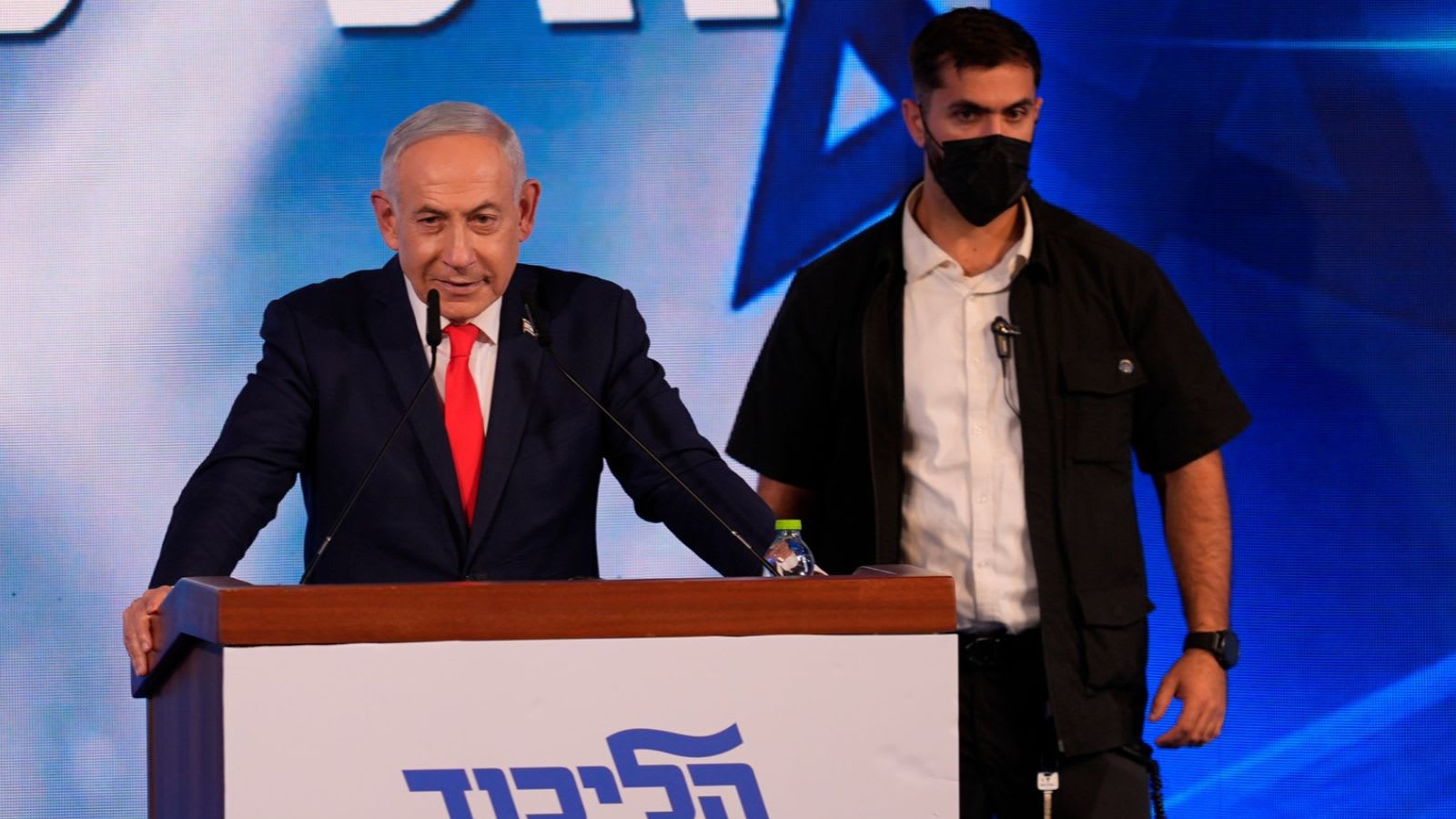
Israel's 2026 election has resulted in a political deadlock, with Arab parties securing an unprecedented 19 seats. Prime Minister Netanyahu has alleged fraud, though election officials have found no evidence to support these claims.
The 2026 Israeli Political Impasse
The 2026 Israeli general election has culminated in a significant political deadlock, leaving the Knesset without a clear governing majority. As the nation grapples with the aftermath of the vote, the emergence of the Arab parties—specifically the Joint List and Ra’am—as a formidable political force has fundamentally altered the parliamentary landscape. With neither the traditional right-wing bloc nor their opposition counterparts reaching the required 61-seat threshold, the political future of the country remains in a state of suspended animation.
The Rise of Arab Representation
The most striking feature of the 2026 election cycle is the record-breaking performance of Arab parties, which collectively secured 19 seats. This surge was primarily driven by an unprecedented turnout among Arab voters, signaling a shift in political mobilization and civic engagement. By achieving this level of representation, these parties have moved from the periphery of Israeli politics to the center, effectively becoming the potential kingmakers in future coalition negotiations.
Allegations of Fraud and Political Rhetoric
In response to these results, Prime Minister Benjamin Netanyahu and his Likud party have leveled serious accusations, claiming that the Arab parties’ success was the product of foreign funding and electoral fraud. Netanyahu has described the outcome as a potential theft of the election. These claims have introduced a volatile element into the post-election discourse, casting doubt on the legitimacy of the results during a period when public trust is already being tested by the failure to form a stable government.
Official Findings and Institutional Integrity
Despite the gravity of the accusations made by the Likud party, Israeli election authorities and relevant officials have unequivocally stated that there is no evidence to support claims of fraud or illicit foreign influence. By refuting these allegations, the electoral commission has attempted to uphold the integrity of the democratic process. The Arab parties themselves have rejected the accusations, framing them as a calculated political strategy designed to delegitimize their electoral gains and exclude them from the democratic process.
Broader Implications and Future Trends
The inability of any single bloc to secure a majority suggests that Israel may be entering a prolonged period of political instability. The reliance on Arab parties for a governing coalition—or the attempt to bypass them—will likely define the next chapter of Israeli domestic policy. As the political maneuvering continues, the tension between traditional power structures and the newly emboldened Arab factions will likely influence future voter turnout and the ideological direction of the Knesset.
Conclusion
Ultimately, the 2026 election serves as a microcosm of the deeper ideological fissures within Israeli society. While Netanyahu’s rhetoric focuses on questioning the validity of the process, the reality remains that the electorate has delivered a fragmented mandate. Moving forward, the path to a stable government will require either unprecedented compromise or a new cycle of elections, leaving the nation to navigate a complex, uncertain political horizon.