US Scraps Traditional G20 Photo As Europeans Object To Posing With Russia's Lavrov
Source Entity
NDTV News Search Records Found 1000
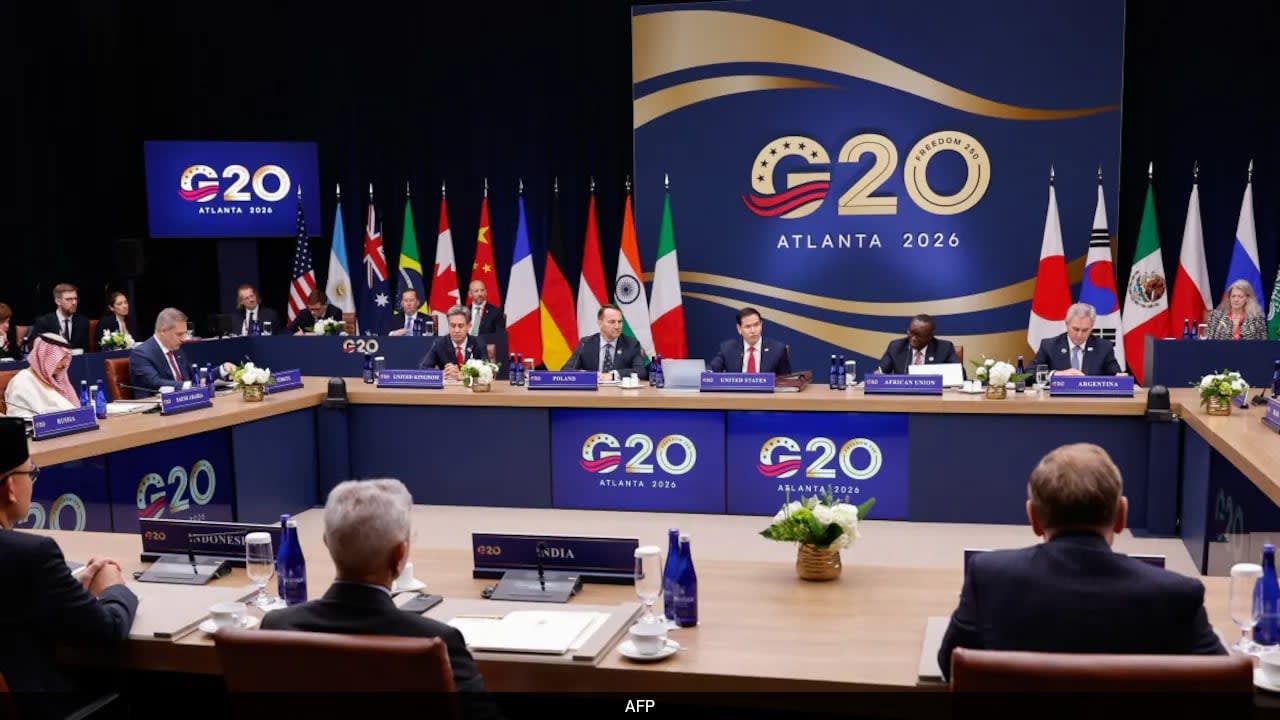
The G20 foreign ministers' meeting in Atlanta omitted the traditional group photo due to European boycotts regarding Russia's presence. Tensions remain high as officials like the UK's Ed Miliband directly confronted Sergei Lavrov over the conflict in Ukraine.
Diplomatic Standoff: The G20 Group Photo Cancellation
The G20 foreign ministers' meeting in Atlanta has commenced under the shadow of intense geopolitical friction, marked primarily by the conspicuous absence of the traditional "family photo." US Secretary of State Marco Rubio made the strategic decision to cancel the customary group image after several European delegations signaled their intent to boycott the session if forced to pose alongside Russian Foreign Minister Sergei Lavrov. This decision reflects the deepening polarization within the G20, an organization originally designed for economic cooperation that is increasingly struggling to maintain decorum amidst the ongoing war in Ukraine.
The Politics of Presence
For many European nations, the presence of the Russian delegation is seen as an affront to international norms. Reports indicate that the UK Foreign Secretary, Ed Miliband, utilized the forum to directly confront Lavrov, accusing the Russian government of targeting innocent civilians. This direct engagement highlights the UK’s firm policy of avoiding bilateral diplomatic warmth with Moscow since the 2022 invasion. By refusing to participate in a symbolic photograph, European officials aimed to deny Russia a sense of diplomatic normalcy while simultaneously signaling their disapproval of Moscow's continued military aggression.
A Shifting Diplomatic Landscape
The cancellation of the photo also highlights a broader shift in the G20's operational environment. While Ukraine is not a member of the G20, it has historically been invited to participate in various capacities to provide perspective on regional stability. However, its exclusion from this particular summit, coupled with existing tensions between the US and Ukraine regarding cross-border strikes on oil infrastructure, has created a complex web of diplomatic friction. The US, acting as host, is currently attempting to balance the logistical necessity of a functional G20 meeting with the volatile political realities of its allies.
Strategic Avoidance as Policy
Secretary Rubio’s choice to scrap the photo rather than risk a public walkout or a fractured image demonstrates a shift toward "avoidance diplomacy." By neutralizing a potential "distraction," the US aims to keep the focus on the substantive agenda items of the two-day meeting. However, this move also serves as a stark acknowledgment that the G20, as a forum for the world's largest economies, is currently unable to project a facade of unity. The "balking" by European members suggests that the appetite for business-as-usual with Russia has effectively evaporated among key Western powers.
Future Implications for the G20
Looking ahead, this incident suggests that the G20 faces a period of existential uncertainty. If member states find it impossible to perform even the most basic ceremonial duties without triggering a diplomatic crisis, the group’s ability to coordinate on critical global economic policy may be severely hampered. The precedent set in Atlanta indicates that future summits will likely be defined by tactical maneuvering and the careful management of physical proximity, rather than the collaborative spirit that once defined the organization. As long as the war in Ukraine persists, the G20 will likely remain a theater for intense ideological confrontation rather than a site of consensus-building.
Multiple Citing Sources
Verification Required?